TMB studio
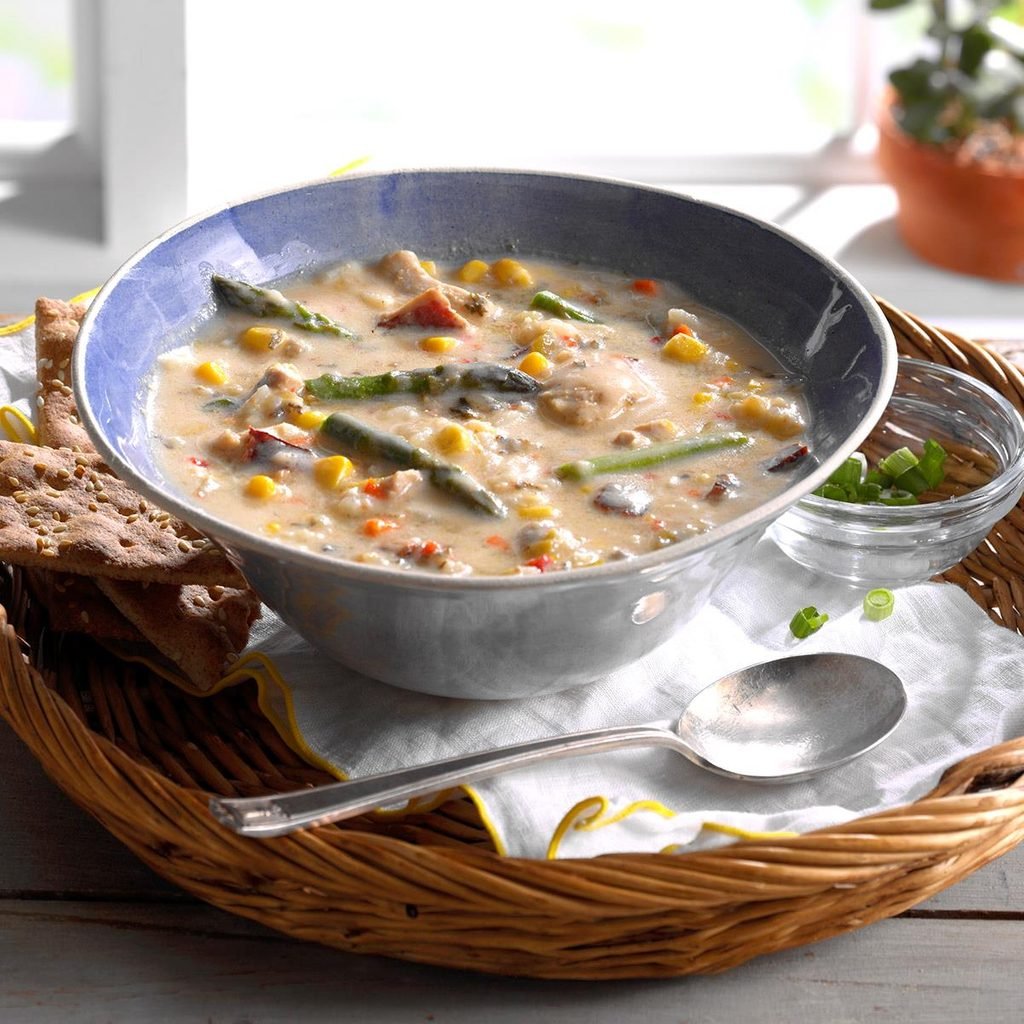
I was talking about stuffed peppers with the other cooks at the restaurant where I work. We decided to mix similar ingredients for a soup. Customer response was overwhelming! —Krista Muddiman, Meadville, Pennsylvania
Go to Recipe
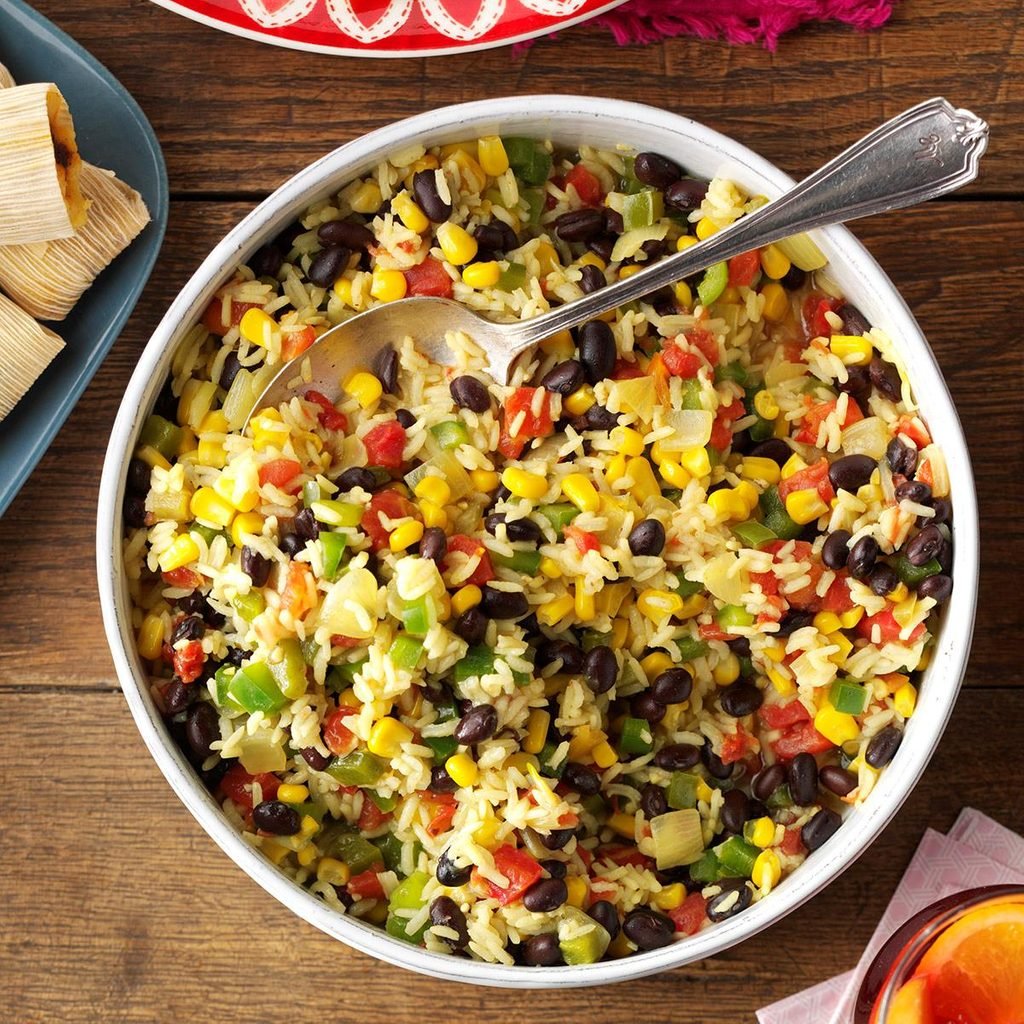
Southwestern RiceI created this colorful side dish after eating something similar at a restaurant. It complements any Tex-Mex meal wonderfully. Sometimes I add cubes of grilled chicken breast to the rice to make it a meal in itself. —Michelle Dennis, Clarks Hill, Indiana
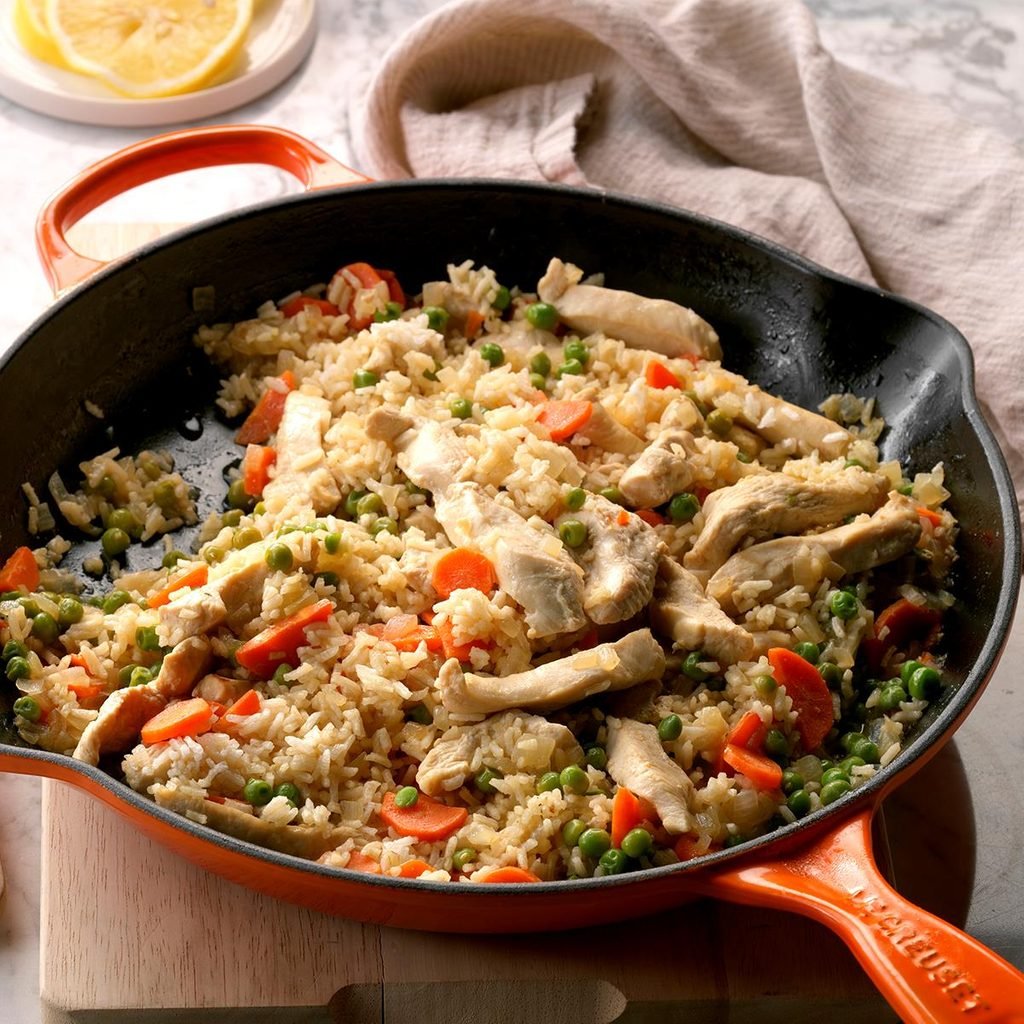
Lemon Chicken and RiceOn our busy ranch, we often need meals we can put on the table in a hurry. This all-in-one chicken dish - with its delicate lemon flavor - fits the bill and it's inexpensive to boot. —Kat Thompson, Prineville, Oregon
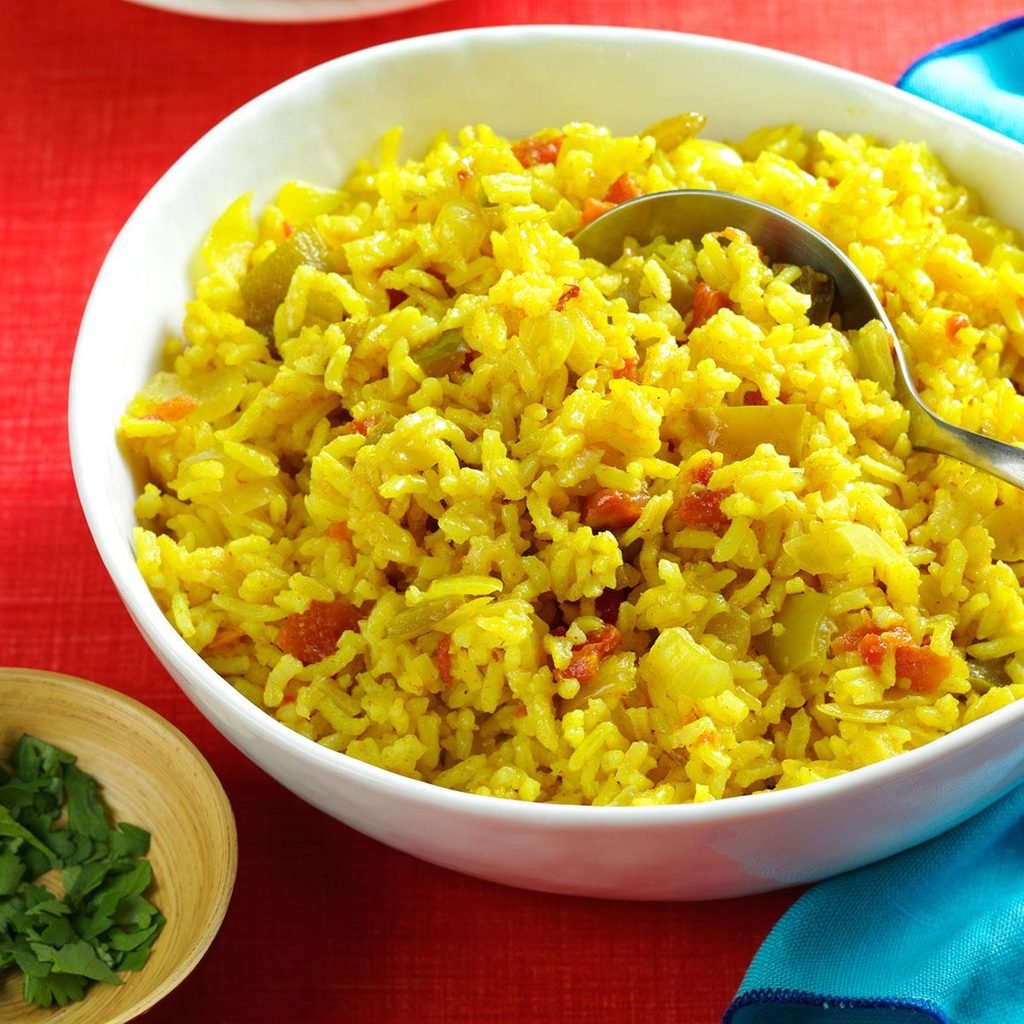
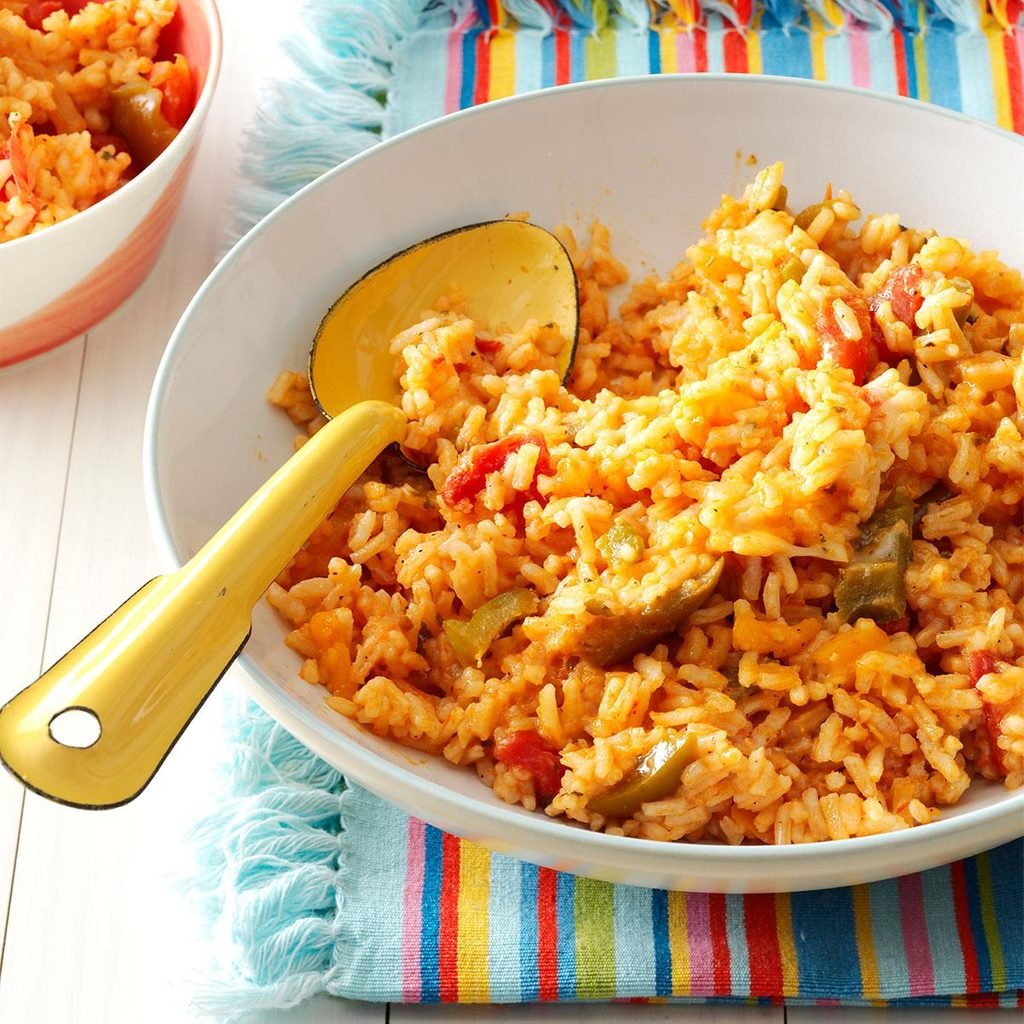
Texas-Style Spanish RiceThe original version of this recipe was given to me by a Mexican friend, but I've modified the spices to suit my family's tastes. It's become a favorite at our house—see if it doesn't do the same at yours! —Melissa Pride, Plano, Texas
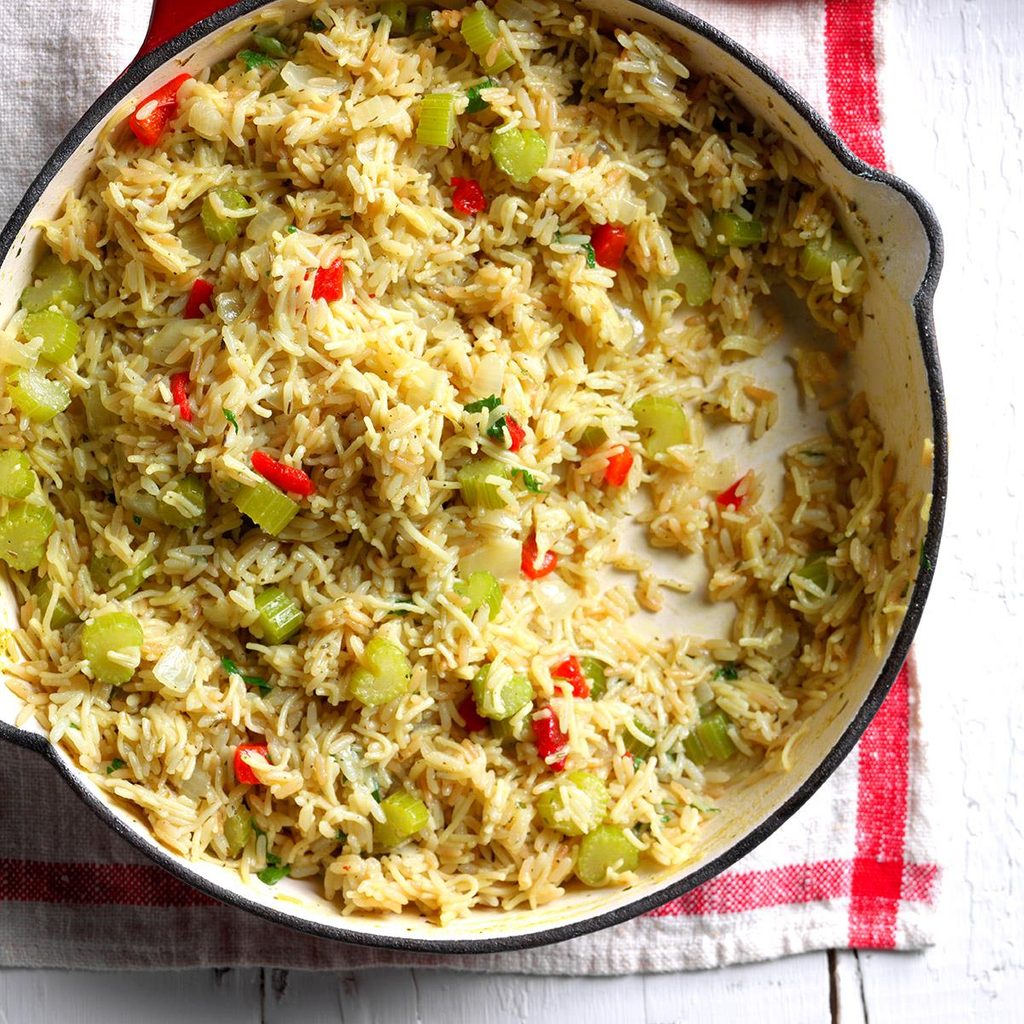
Herbed Rice PilafThis savory side dish has been a family favorite for years. Our daughter Jennifer became an expert at this recipe at age 12, which was a huge help for a busy working mom like me. We really enjoy this rice dish in the summer with a grilled entree. —Jeri Dobrowski, Beach, North Dakota
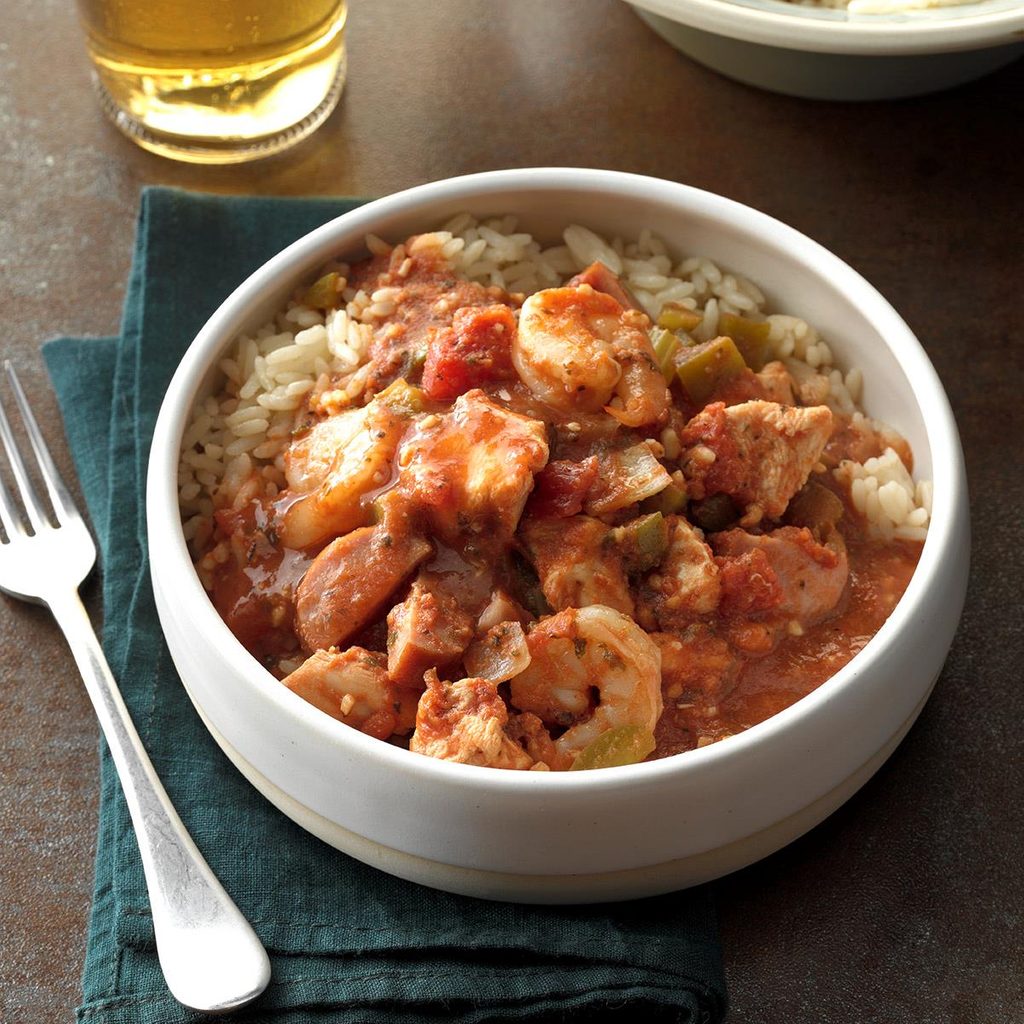
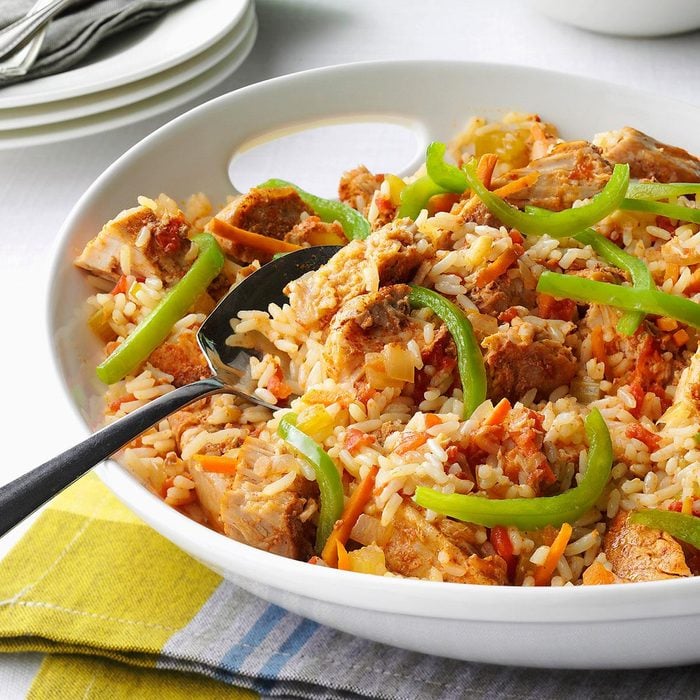
Forgotten JambalayaDuring chilly times of the year, I fix this jambalaya at least once a month. It’s so easy—just chop the vegetables, dump everything in the slow cooker and forget it! Even my sons, who are picky about spicy things, like this dish. —Cindi Coss, Coppell, Texas
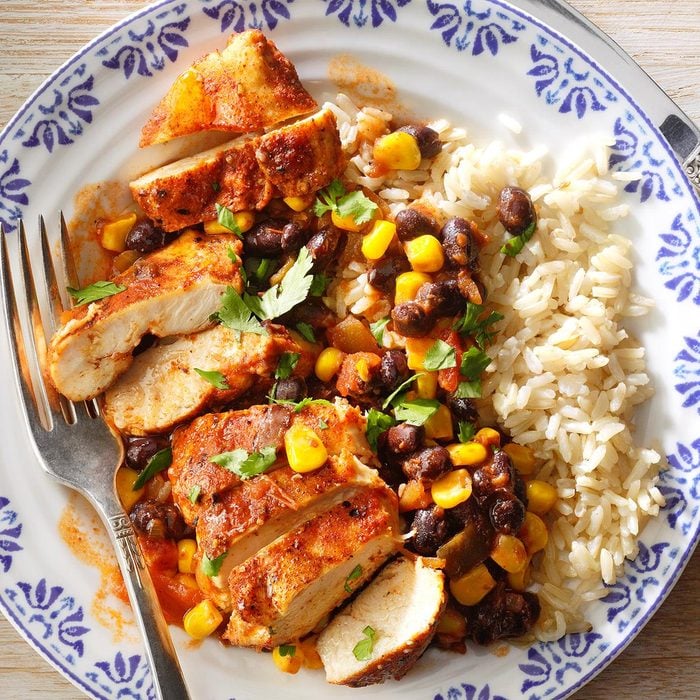
Black Bean Chicken with RiceThis spicy family favorite calls for just a few basic ingredients, including chicken, black beans and rice, so it’s quick and easy to stir up in your skillet on a weeknight. —Molly Newman, Portland, Oregon
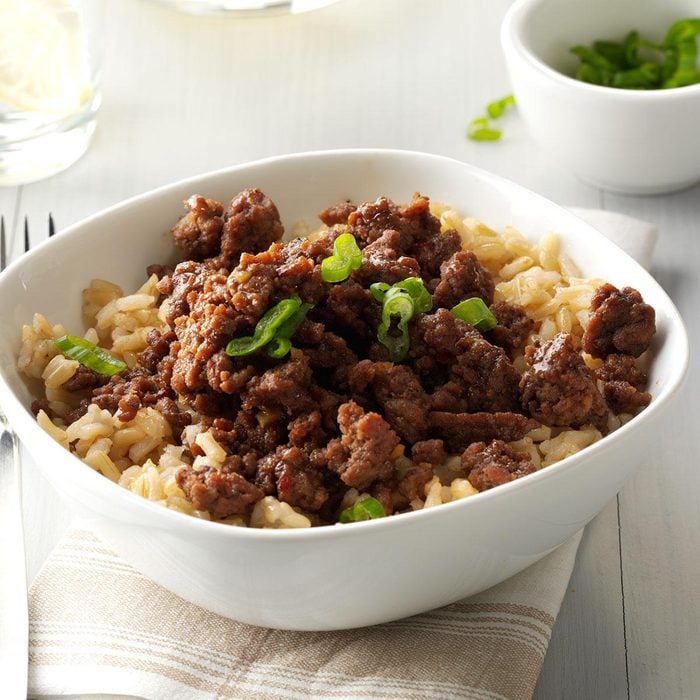
Korean Beef and RiceA friend raved about Korean bulgogi, which is beef cooked in soy sauce and ginger, so I tried it. It's delicious! You'll dazzle the table with this tasty version of Korean beef and rice. —Elizabeth King, Duluth, Minnesota
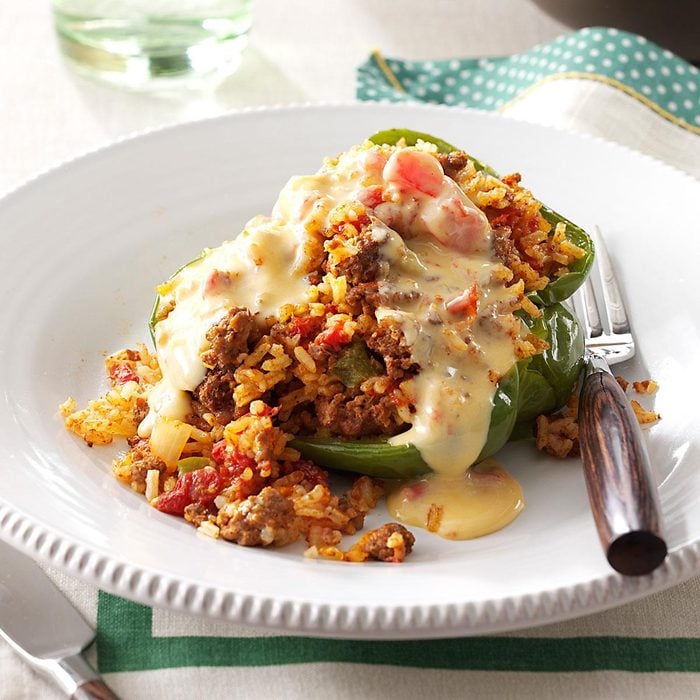
Rice-Stuffed PeppersMother used to fix this wonderful, easy dish when we had company. She was from a family of fantastic Cajun cooks, so our food was always well-seasoned. In Louisiana, rice is part of many meals. The cheese sauce sets these stuffed peppers apart from any others I've tried. —Lisa Easley, Longview, Texas
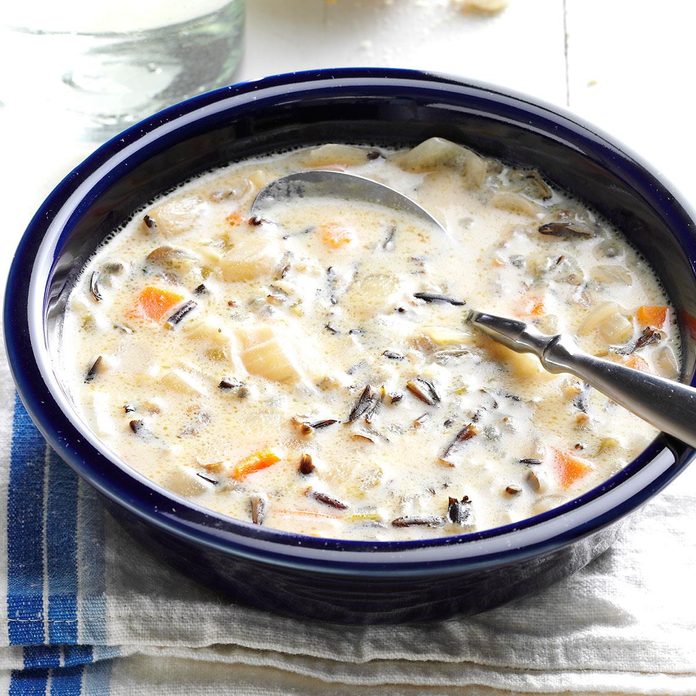
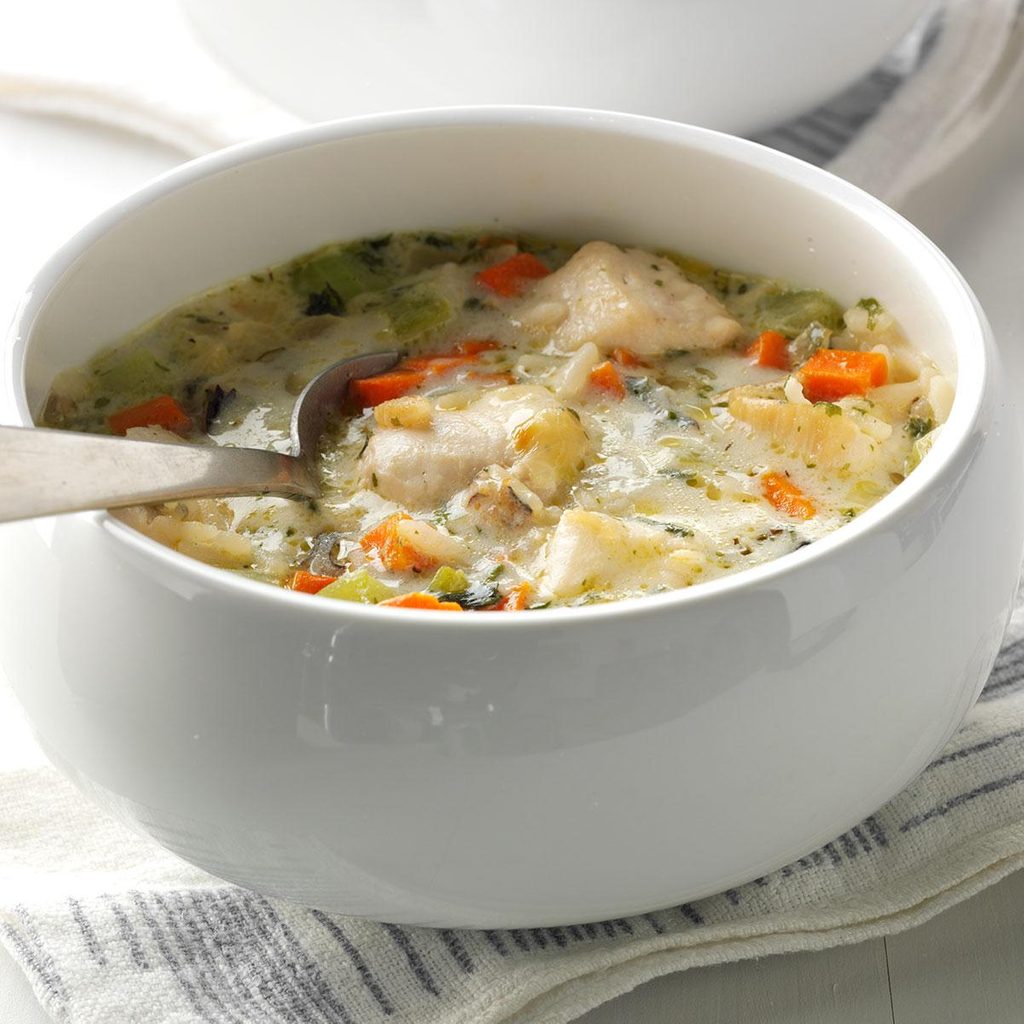
Wild Rice SoupAs the oldest of eight girls growing up on the farm, I began cooking at an early age! This soup—which I first had at my sister's house—brings me compliments no matter where I serve it. —Elienore Myhre, Balaton, Minnesota
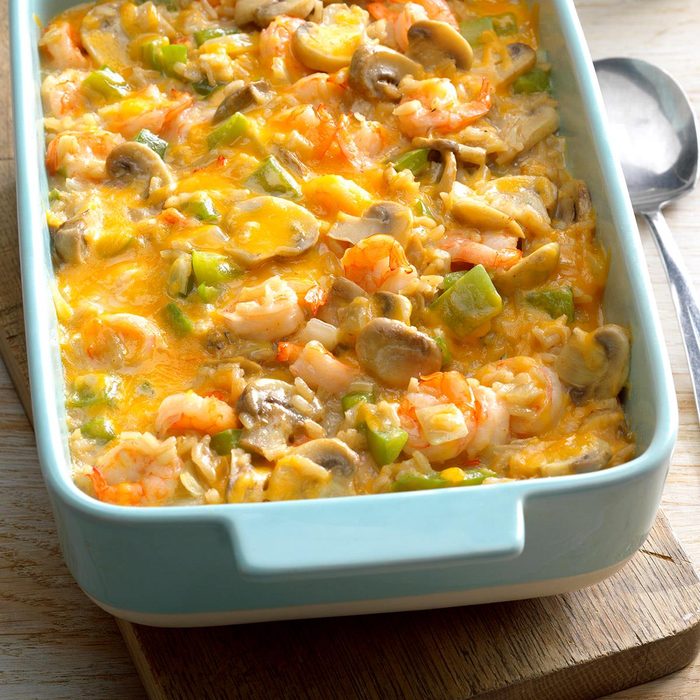
Makeover Shrimp Rice CasseroleThe cooks at Taste of Home made a lightened-up version of my shrimp casserole, and I love it. The makeover has only half the calories and sodium of my original recipe, and less fat, too. —Marie Roberts, Lake Charles, Louisiana
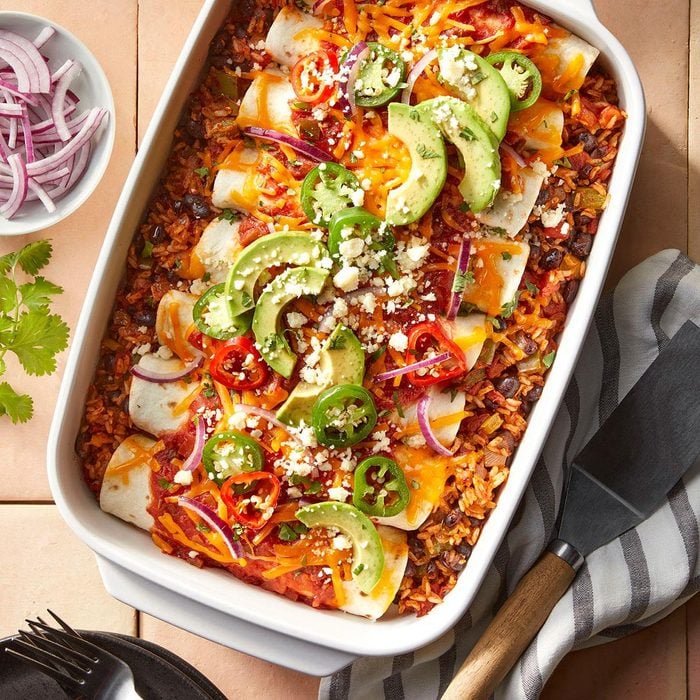
Black Bean and Rice EnchiladasI love Mexican food, but I'm always looking for ways to make it more healthy. I reworked a dish that I have enjoyed in restaurants to suit my taste and lifestyle. —Christie Ladd, Mechanicsburg, Pennsylvania
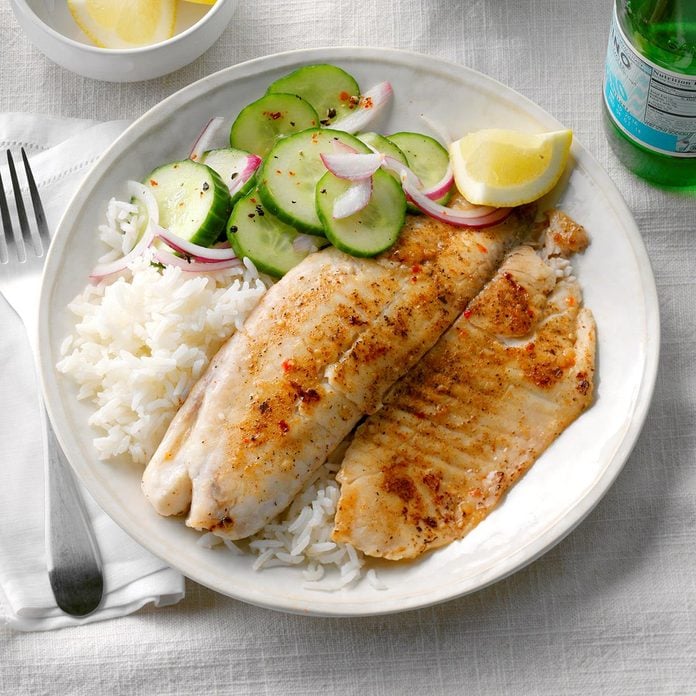
Tilapia with Jasmine RiceThis tender, full-flavored tilapia with fragrant jasmine rice is absolutely to die for. Your family will love this healthy and delicious dish! —Shirl Parsons, Cape Carteret, North Carolina
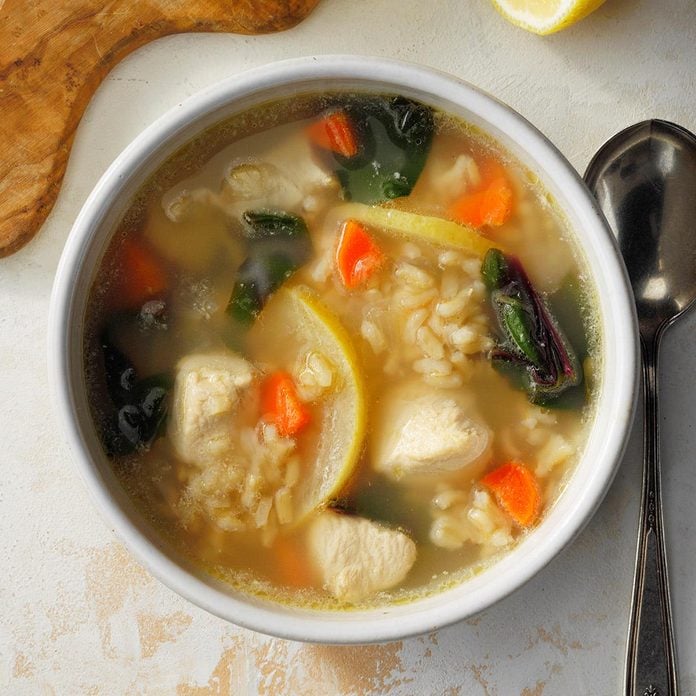
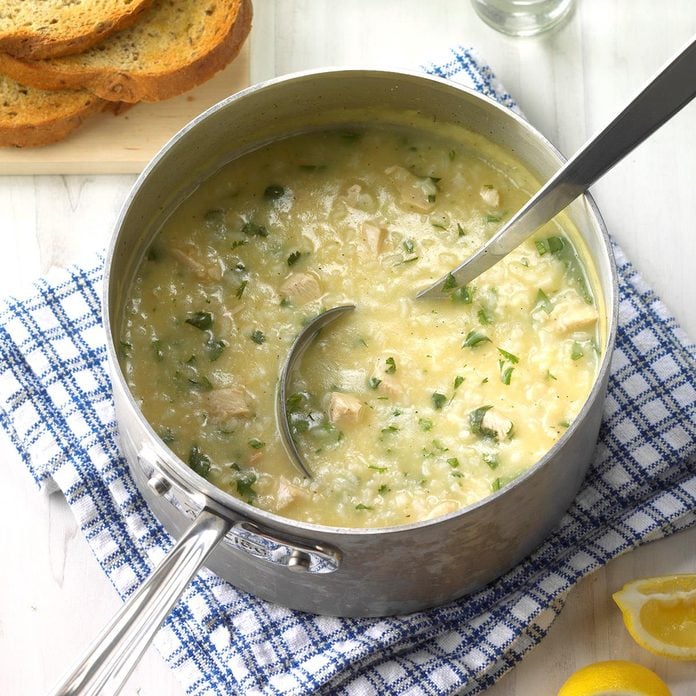
Lemon Chicken & Rice SoupYears ago, I fell hard for a lemony Greek soup at Panera Bread. It was just a special back then, but I re-created it at home so we could eat it whenever a craving hit! —Kristin Cherry, Bothell, Washington
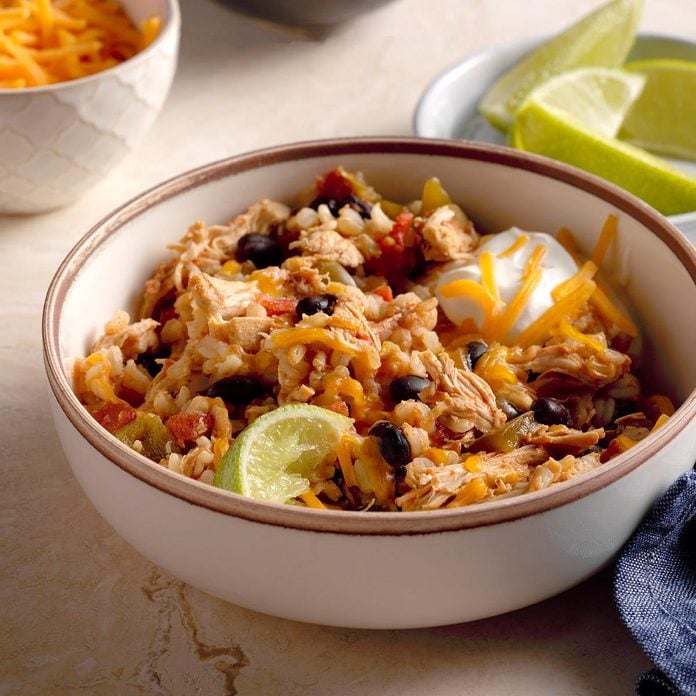
Spicy Chicken and RiceAs a working mom with two kids, I have little time to prepare something hearty during the week. This recipe is easily tossed together in the morning and fabulous to come home to at night. Both of my picky eaters love it! —Jessica Costello, Westminster, Massachusetts
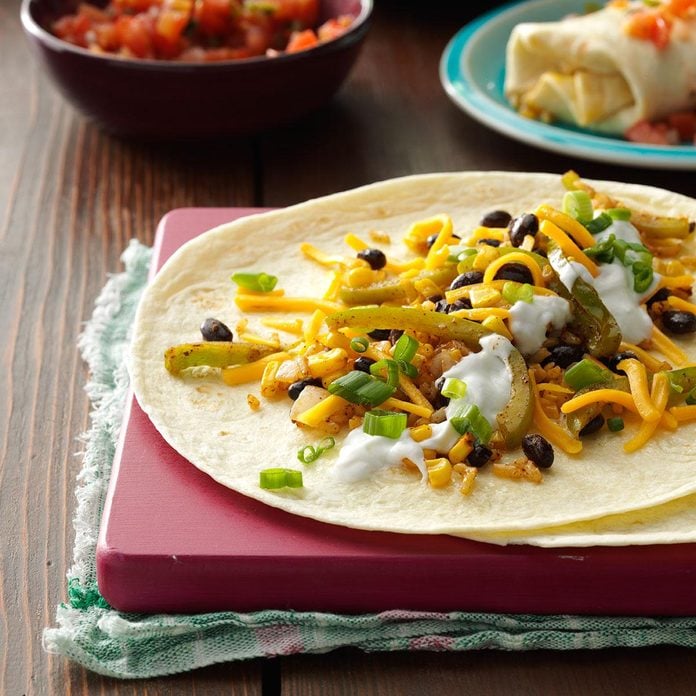
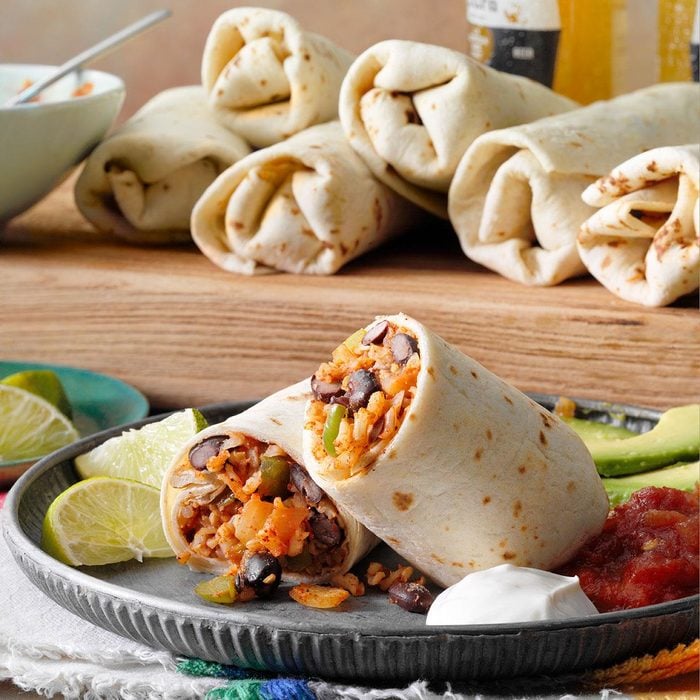
Corn, Rice & Bean BurritosNo one will miss the meat when you dish up these satisfying burritos bursting with a fresh-tasting filling. They’re fast to fix and won’t put a dent in your wallet. —Sharon W. Bickett, Chester, South Carolina
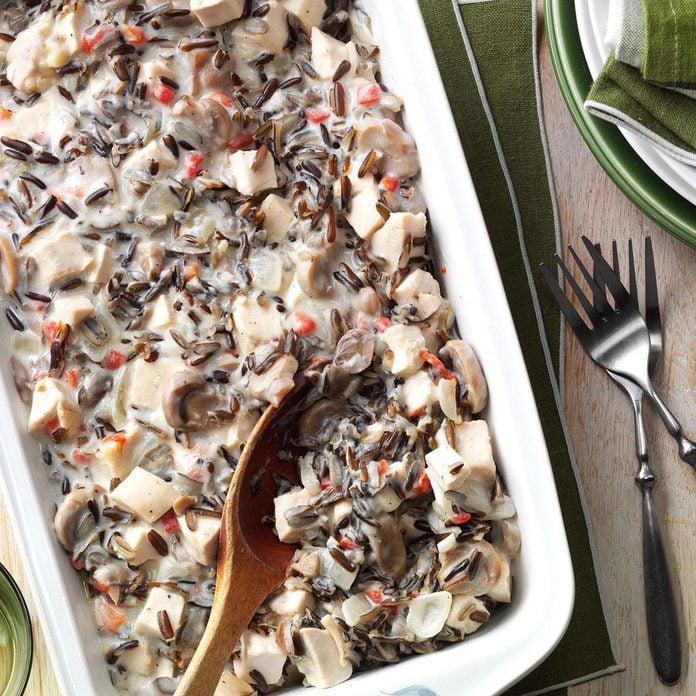
Contest-Winning Chicken Wild Rice CasseroleWhile this special chicken and wild rice casserole is perfect for a company dinner, it's so good that I often make it for everyday family meals. We think it is very nice served with some crusty rolls or French bread. —Elizabeth Tokariuk, Lethbridge, Alberta
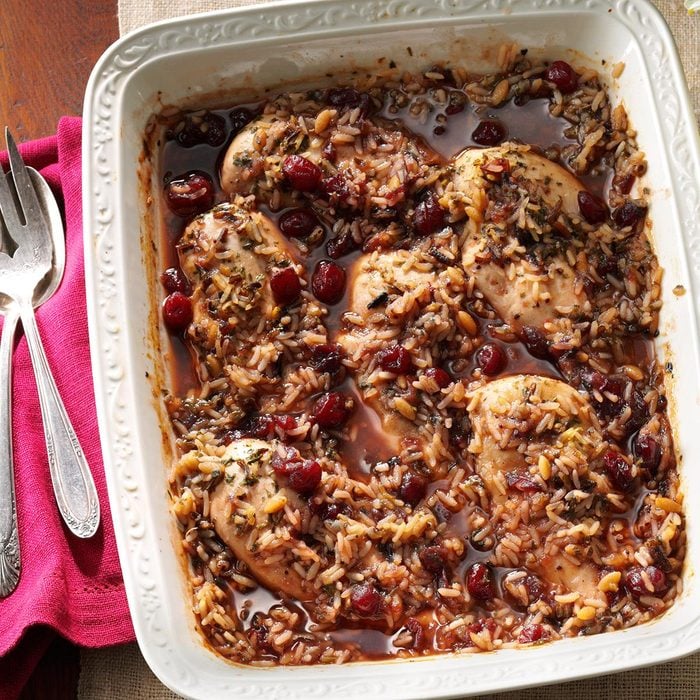
Cranberry Chicken and Wild RiceTender chicken is baked in a sweet-tart cranberry sauce for this elegant entree. This chicken is delicious, and it’s so easy to prepare and I love that I can do other things while it bakes. —Evelyn Lewis, Independence, Missouri
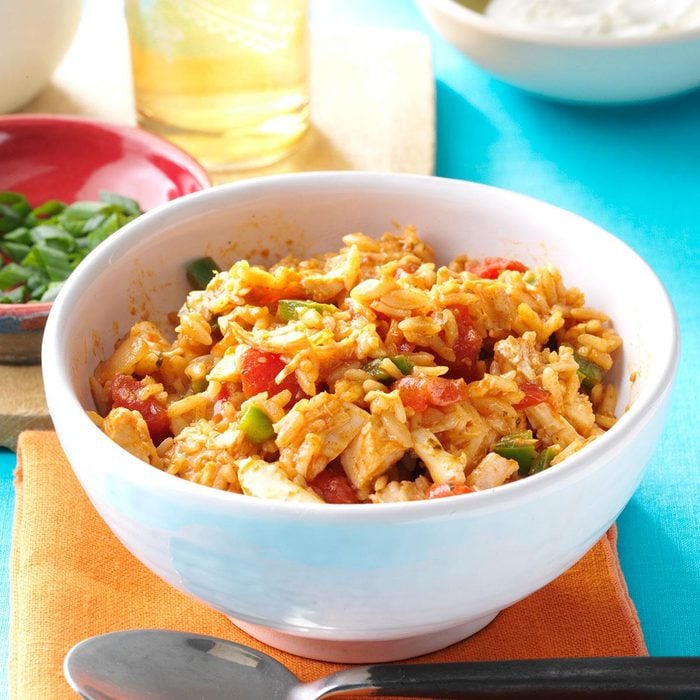
Mexican Rice with ChickenThis skillet supper comes together with leftover cooked chicken and a packaged mix. After I prepared this rice, I served the extras on tortillas with cheese and sour cream the next day. Both meals were a hit. —Debra Rzodkiewicz, Erie, Pennsylvania
Lemony Turkey Rice SoupWhile growing up in Texas, I spent a lot of time helping my grandma cook. Lemon and cilantro add a deliciously different twist to turkey soup.
—Margarita Cuellar, East Chicago, Indiana
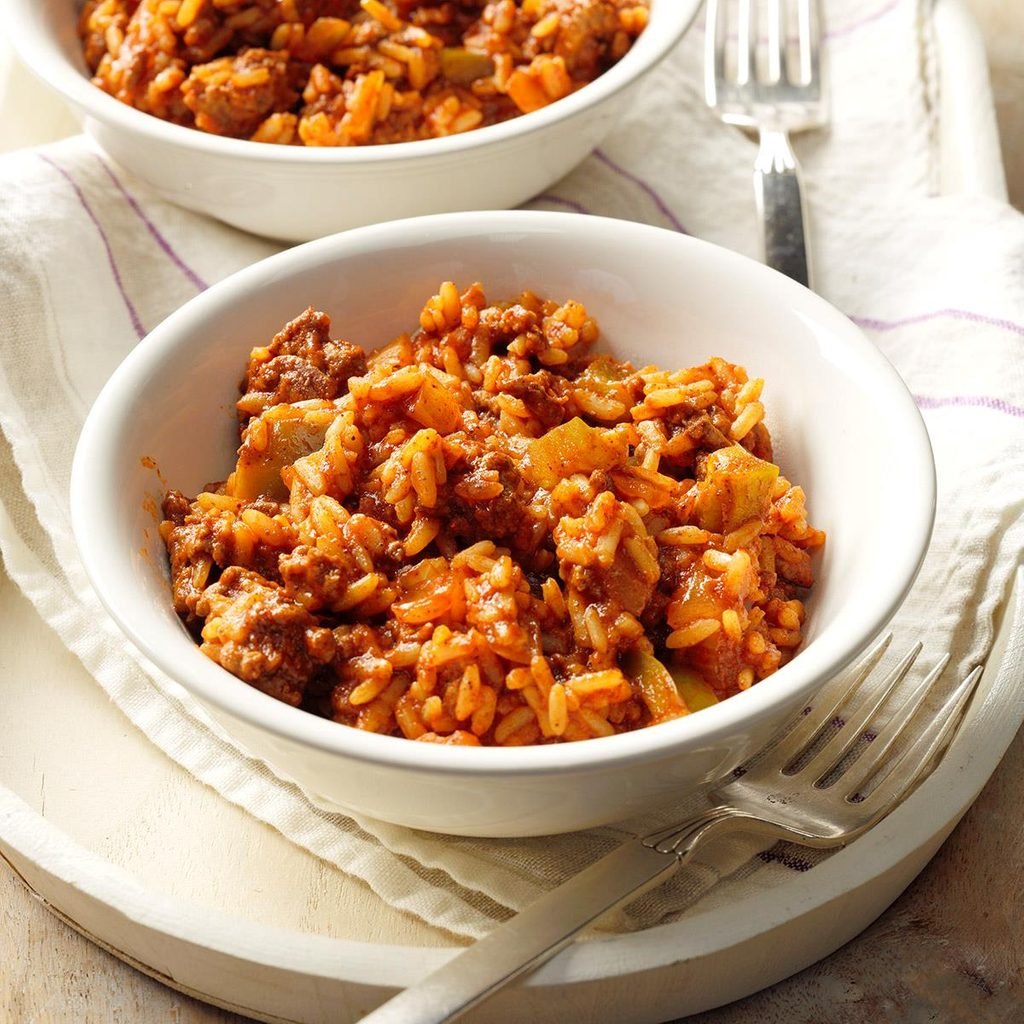
Spanish Rice with Ground BeefI don't know the origin of this recipe, but it's been in my family for a long time. I can remember eating it often as a little girl.—Beverly Austin, Fulton, Missouri
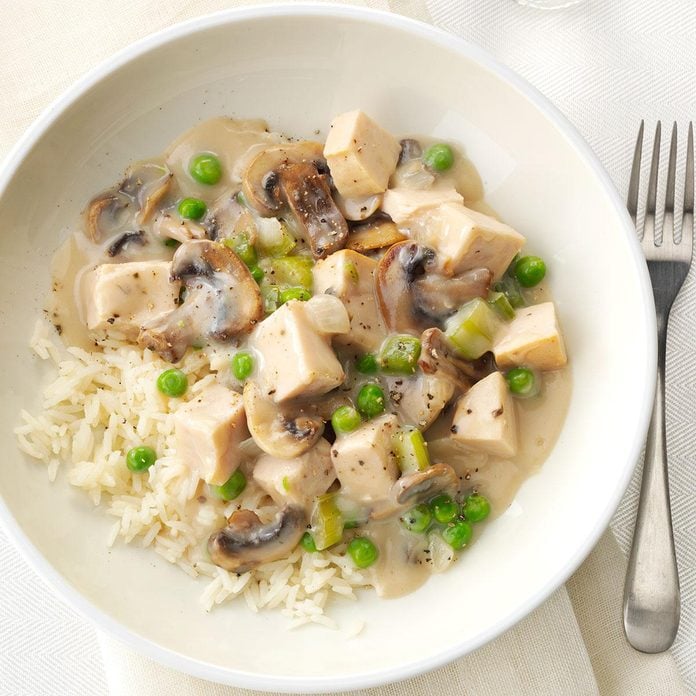
Turkey a la King with RiceI like to make this dish with our leftover turkey. It's a nice change from casseroles and so simple. Serve over rice, noodles, biscuits or toast. —Pat Lemke, Brandon, Wisconsin
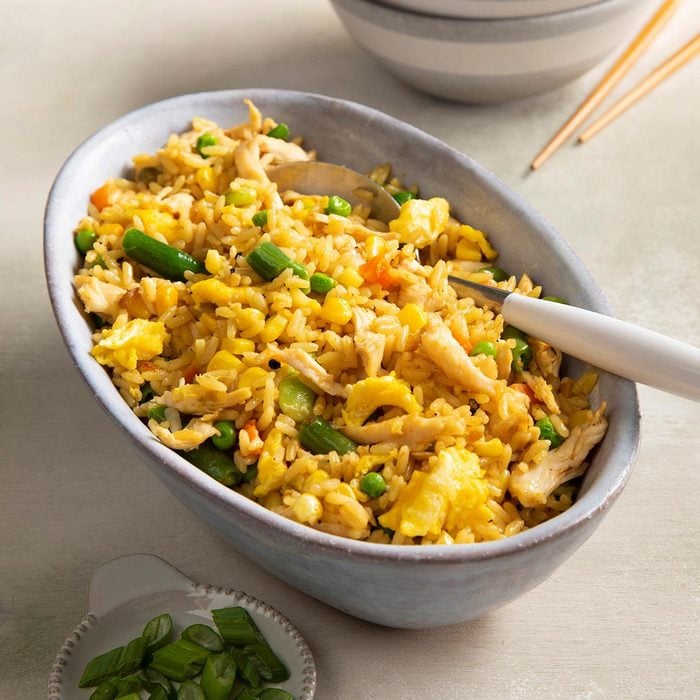
Easy Chicken Fried RiceAfter my first child was born, I needed meals that were satisfying and fast. This easy chicken fried rice is now part of our regular dinner rotation. — Alicia Gower, Auburn, New York
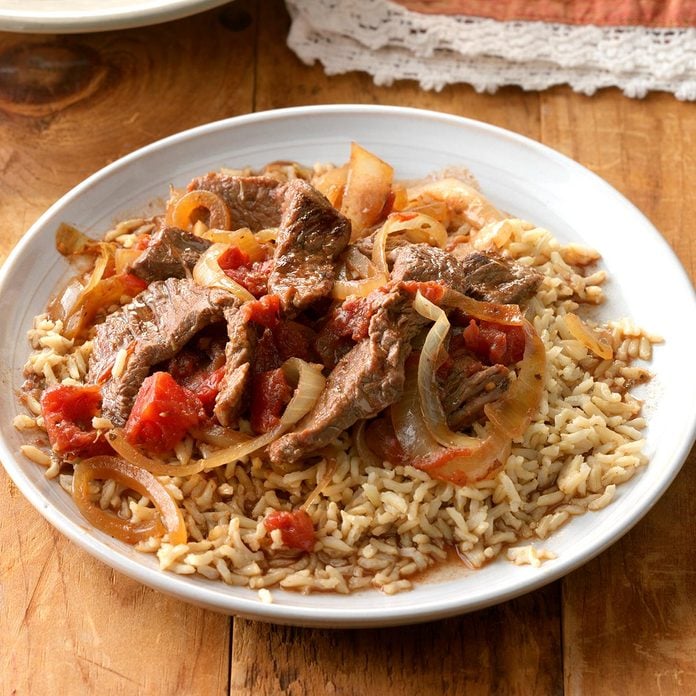
Sirloin Strips over RiceI found this recipe in a movie magazine some 20 years ago. It was the favorite of some male star, but I don’t remember which one. Its great flavor and the fact that leftovers just get better have made it a family favorite! —Karen Dunn, Kansas City, Missouri
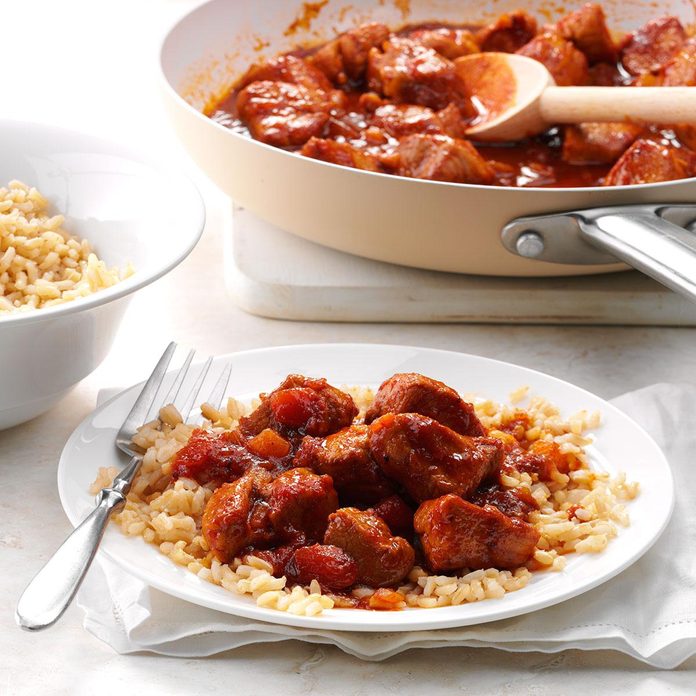
Peachy Pork with RicePeach preserves sweeten the spicy salsa in this delicious dish that’s nice enough for company. Adjust the heat level to taste by using mild or spicy salsa and seasoning. —Melissa Molaison, Hawkinsville, Georgia
Quick Bean and Rice BurritosThese hearty and zippy burritos can be whipped up in a jiffy. —Kimberly Hardison, Maitland, Florida
Salsa RiceIt's a snap to change the spice level in this popular rice side dish by choosing a milder or hotter salsa. It's a delicious way to round out burritos or tacos when the clock is ticking. —Molly Ingle, Canton, North Carolina
Chicken & Wild Rice StrudelsI wanted the buttery crunch of layered pastry without the sweet filling of strudel. Using rotisserie chicken from the store, I found my savory answer. —Johnna Johnson, Scottsdale, Arizona
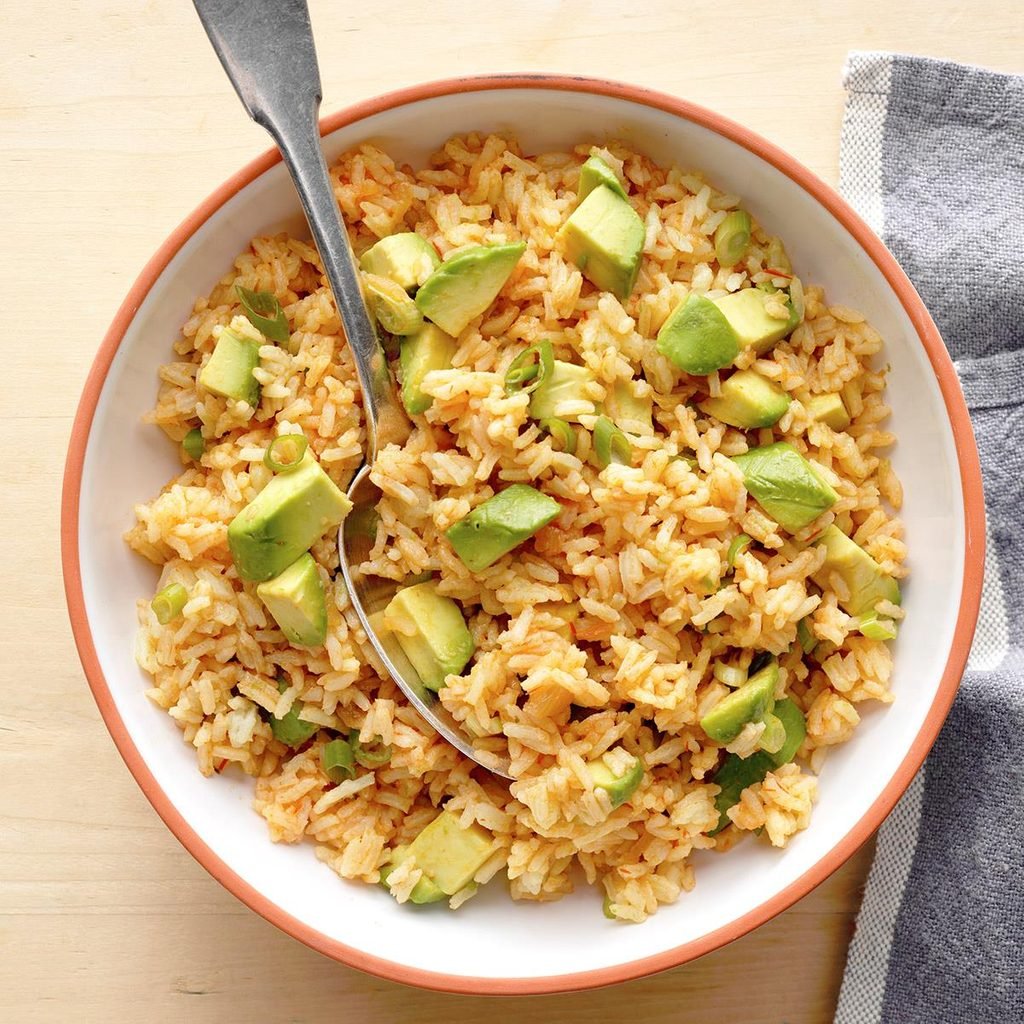
Cumin Rice with AvocadoCumin, picante sauce and avocado do a terrific job of perking up rice in this any-day side dish. —Margaret Allen, Abingdon, Virginia
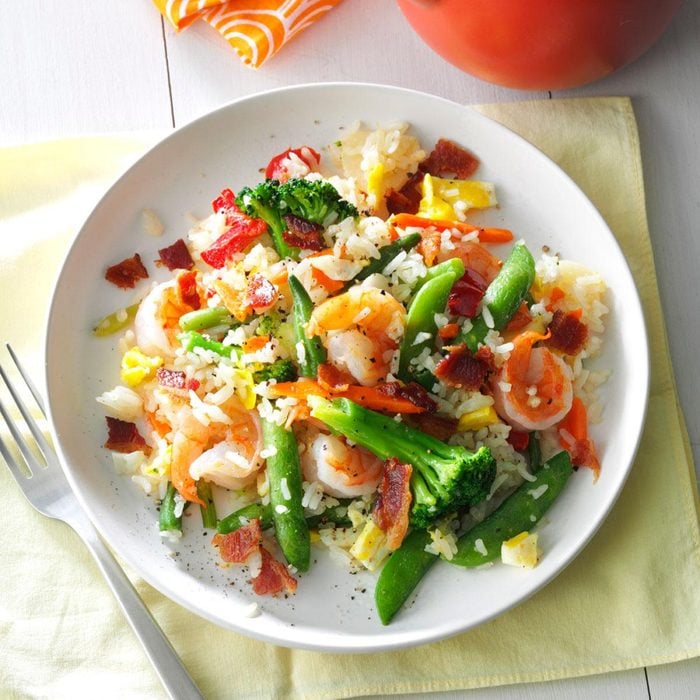
Shrimp Fried RiceThis delectable shrimp fried rice is filled with color and taste that makes it vanish fast. Our family of four can't get enough of it. Bacon adds crispness and a hint of heartiness. Consider it when you need a different main dish or brunch item. —Sandra Thompson, White Hall, Arkansas
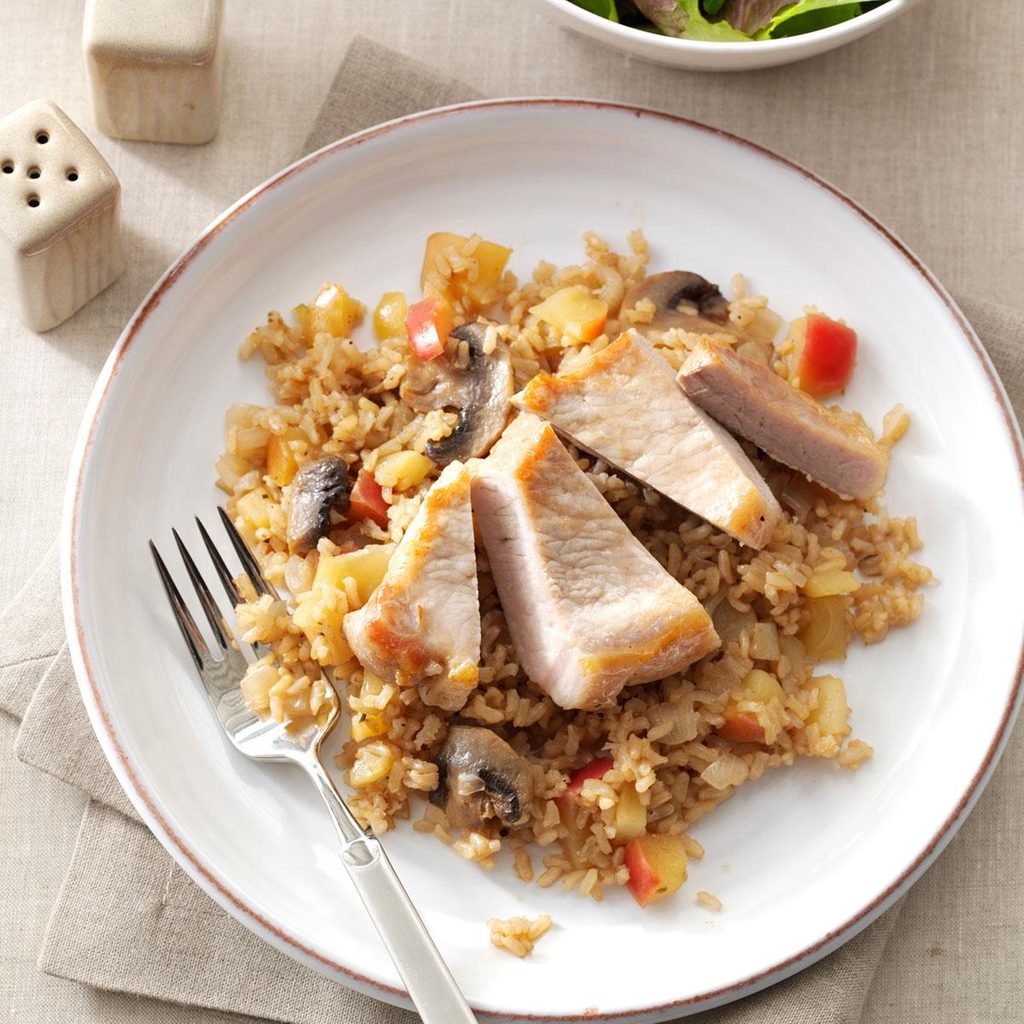
Apple-Balsamic Pork Chops & RiceThanks to tangy balsamic vinegar and sweet apples, this one-pot pork chop lets you have a little something special anytime. —Greg Hageli, Elmhurst, Illinois
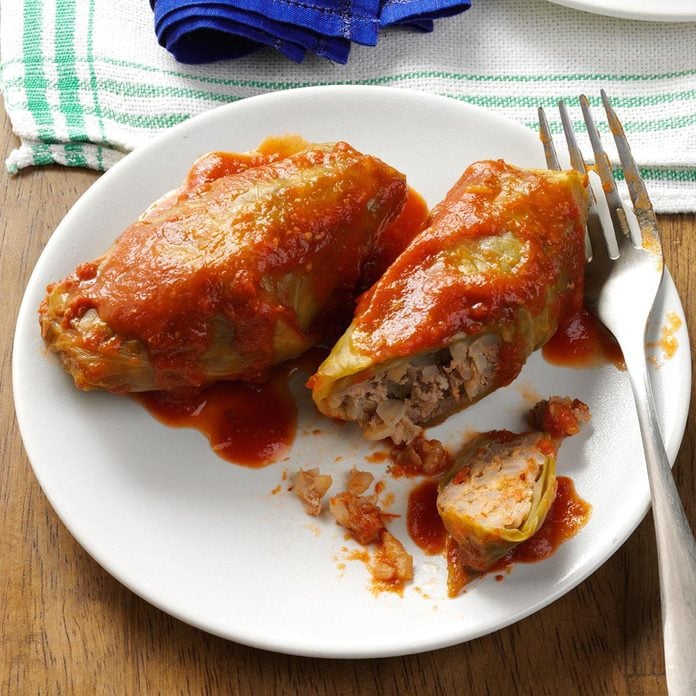
Beef & Rice Stuffed Cabbage RollsThis recipe is special to me because it’s an easy one-pot meal that tastes like you spent the whole day in the kitchen. My family loves it. —Lynn Bowen, Geraldine, Alabama
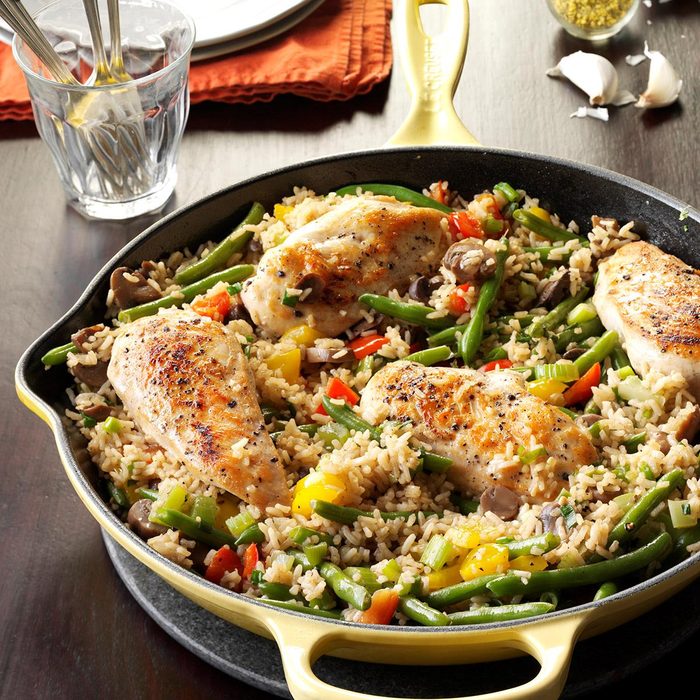
Chicken Rice SkilletPleasant seasonings and plenty of vegetables highlight this traditional chicken and rice pairing. Leftovers are great reheated in the microwave. —Jan Balata, Kilkenny, Minnesota
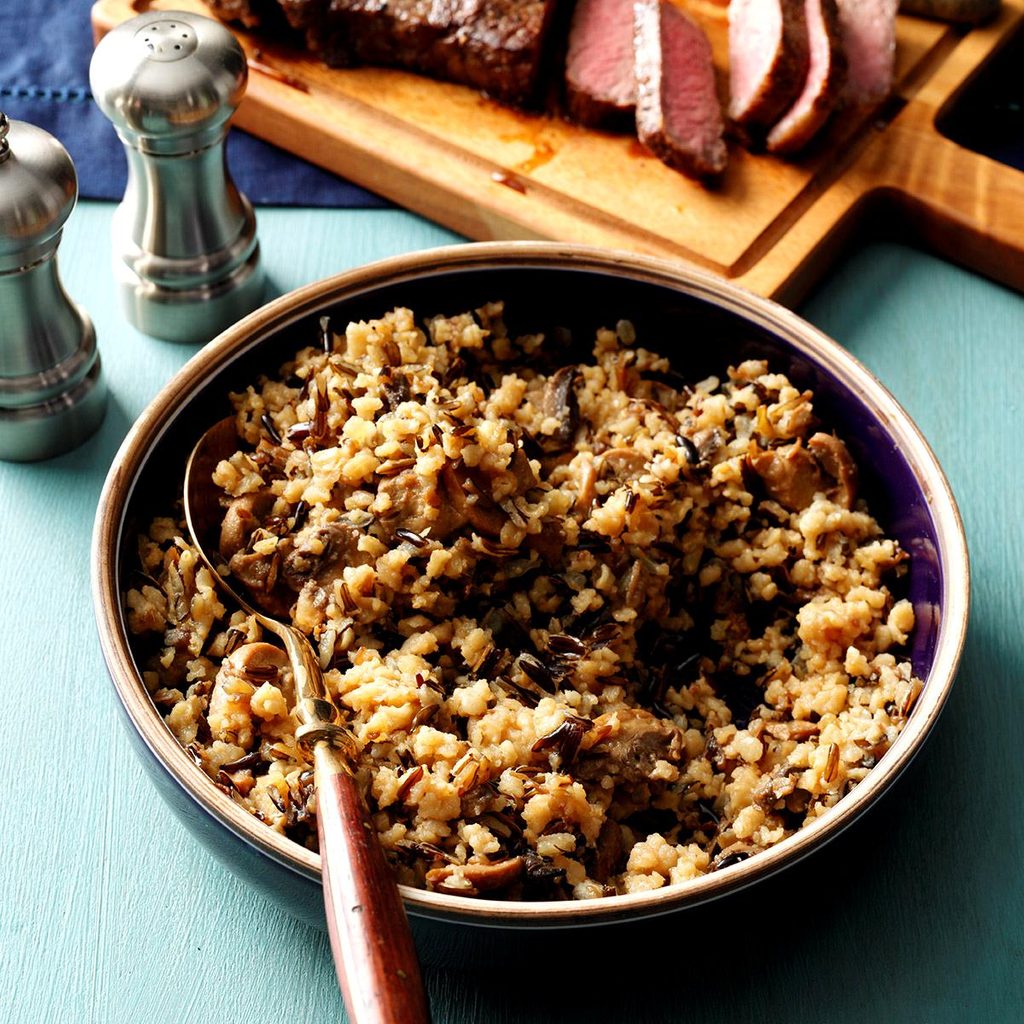
Mushroom Wild RiceThis is one of my favorite recipes from my mother. With only seven ingredients, it's quick to assemble in the morning before I leave for work. By the time I get home, mouthwatering aromas have filled the house. —Bob Malchow, Monon, Indiana
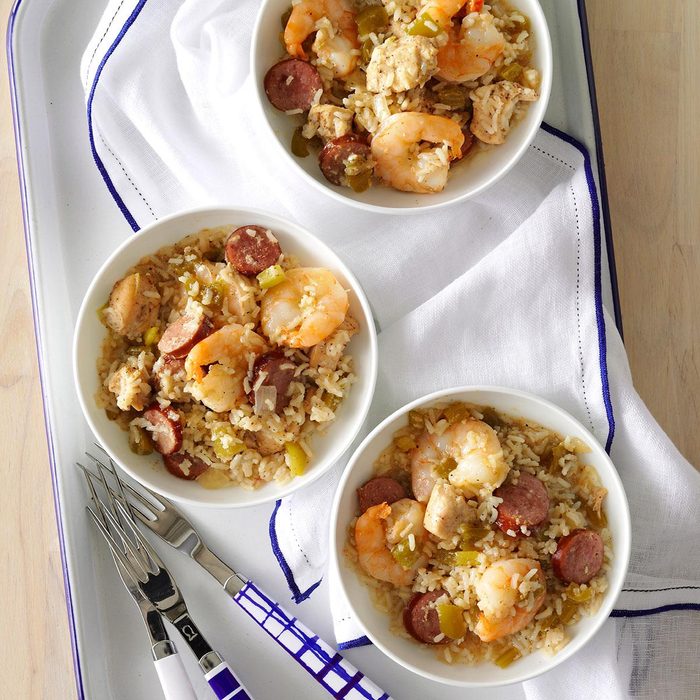
Gulf Coast Jambalaya RiceAs the stew of the South, jambalaya is a definite staple. For ages, home cooks have been making their own tweaks on the traditional recipe. This rendition is my favorite. —Judy Batson, Tampa, Florida
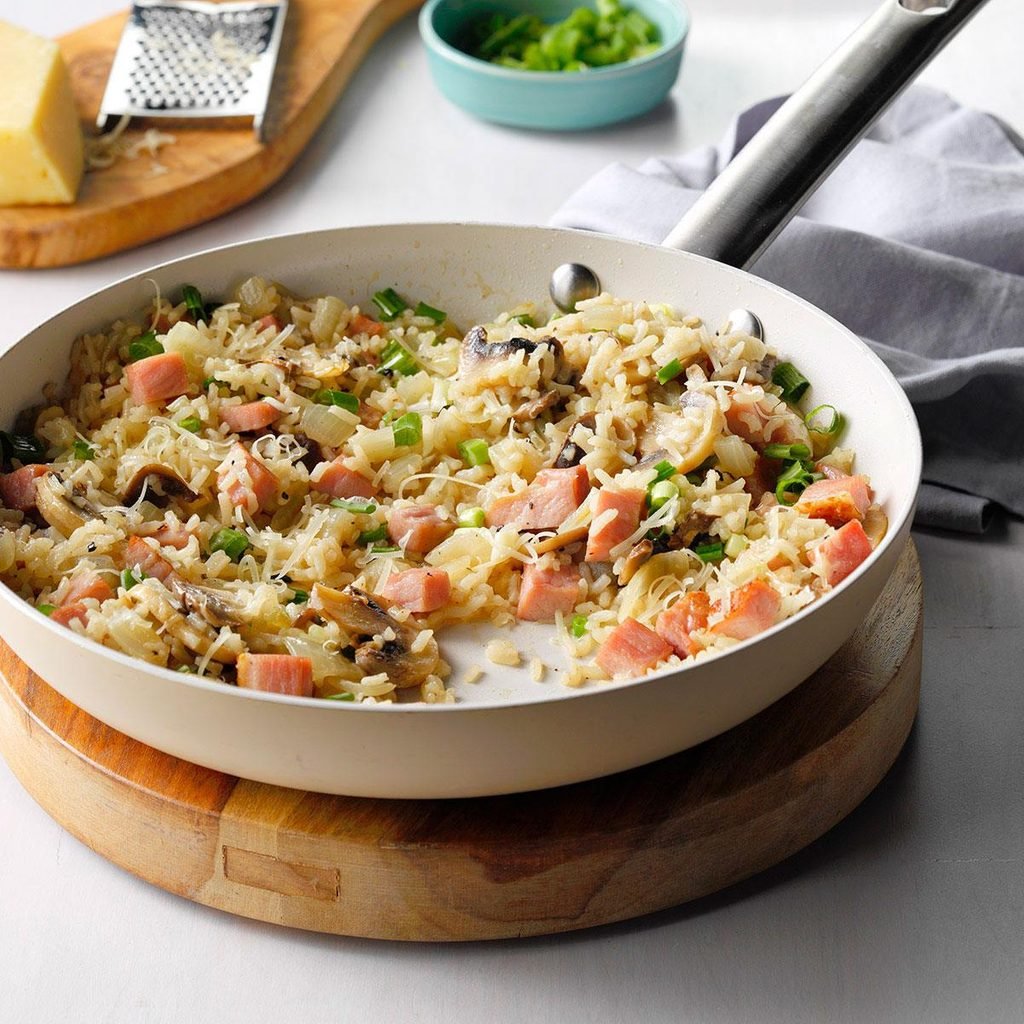
Skillet Ham & RiceHam, rice and mushrooms make a tasty combination in this homey stovetop dish. It goes from start to finish in just 25 minutes. —Susan Zivec, Regina, Saskatchewan
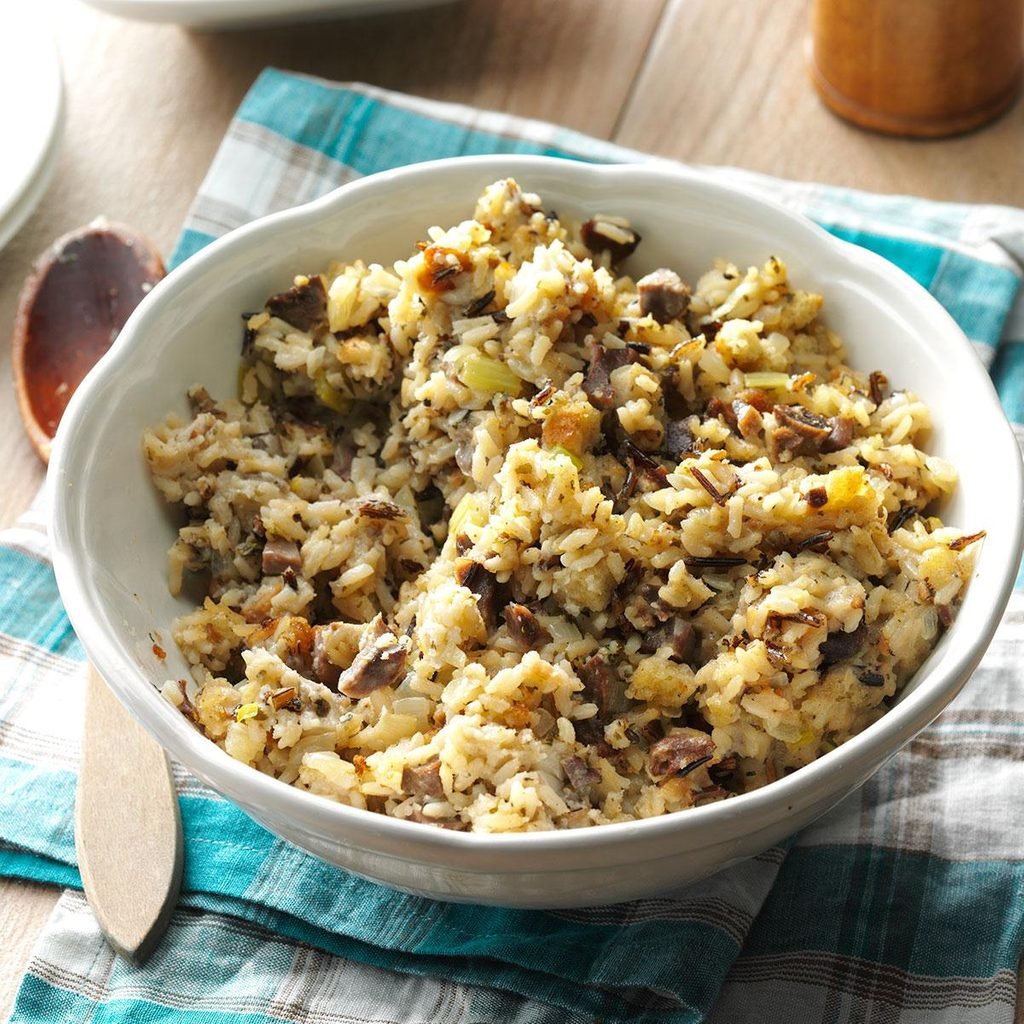
Wild Rice StuffingSince trying this stuffing recipe from my sister, I haven't made any other kind. It's so moist and tasty. When a big bowlful starts circulating around the table, happy holiday smiles get even bigger! —Connie Olson, Green River, Wyoming
Brown Rice Stuffed PeppersFor extra flavor, I sometime add beef bouillon to the dish while the peppers bake. It also steams them a little. If also make these with ground chicken or turkey; then I'll use chicken bouillon instead. —Hope Huggins, Santa Cruz, California
Quick Chicken & Wild Rice SoupMy mother-in-law raves about the chicken and rice soup we serve at our house. I tweaked the recipe several times to get it just right. —Teresa Jacobson, St. Johns, Florida
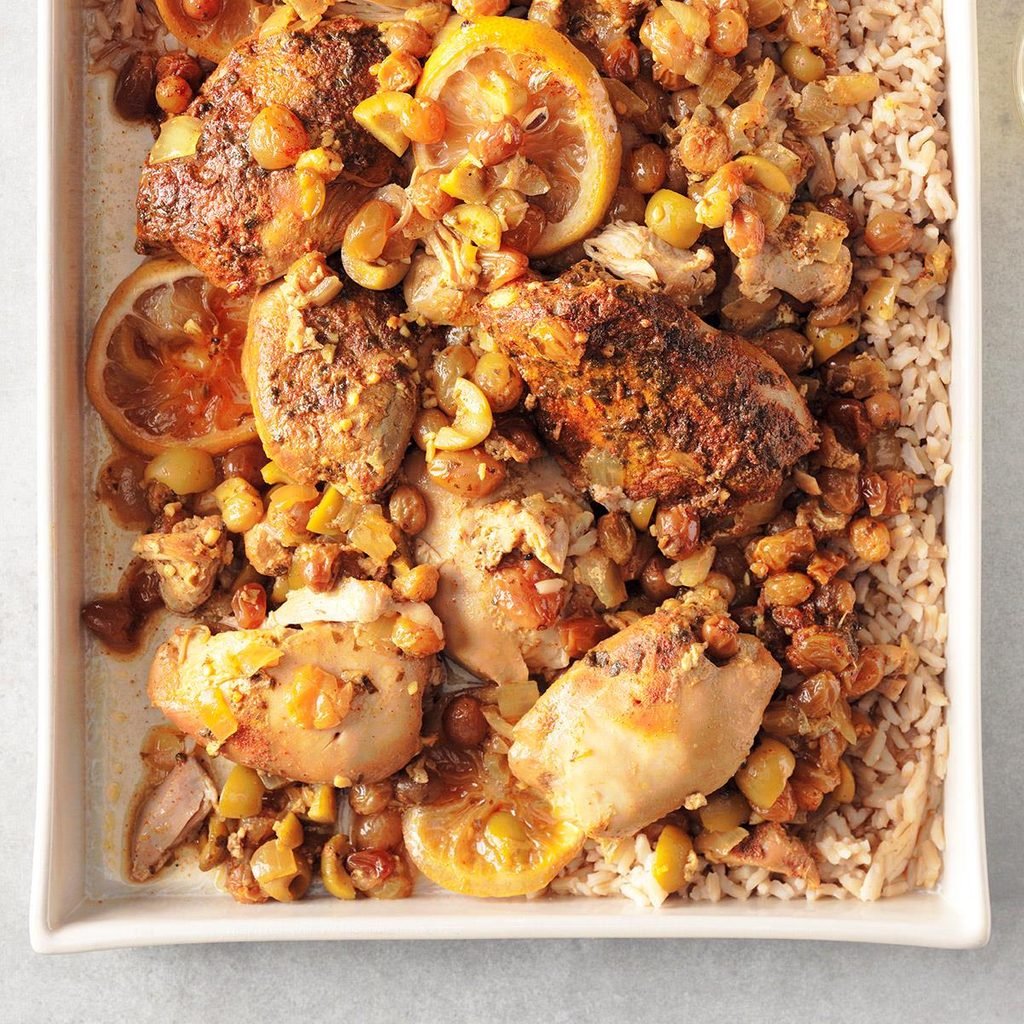
North African Chicken and RiceI'm always looking to try recipes from different cultures, and this one is a huge favorite. We love the spice combinations. This cooks equally well in a slow cooker or a pressure cooker. —Courtney Stultz, Weir, Kansas
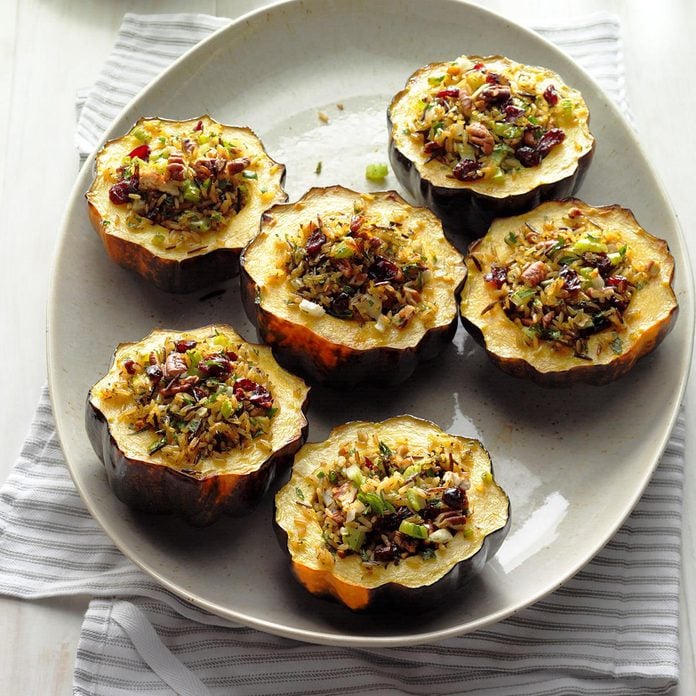
Wild Rice Stuffed SquashI made this recipe when we invited both our families to celebrate our first Thanksgiving in our new home. There were 37 of us, and those who tried this dish raved about it. —Robin Thompson, Roseville, California
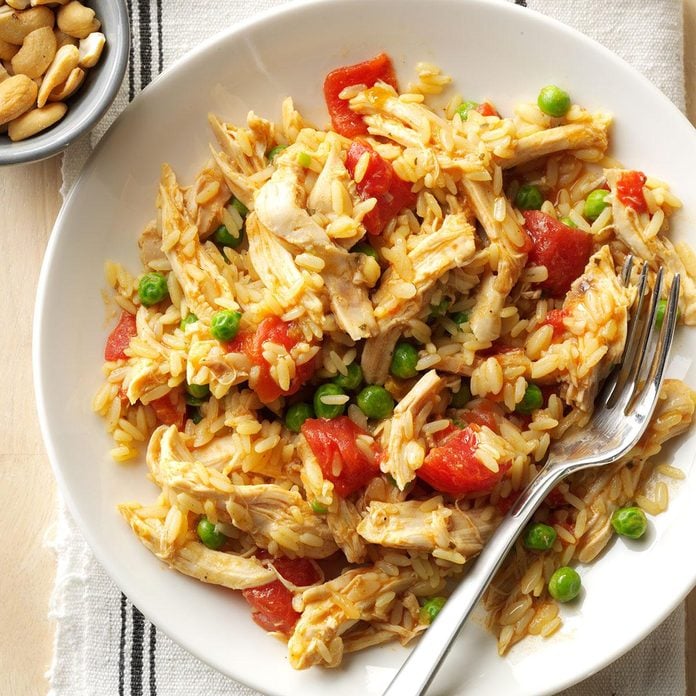
Curry Chicken and RiceI updated this chicken and rice dish by adding veggies and cashews to give it fresh and crunchy appeal. The green chiles in the tomatoes give it just the right little kick, but if you really like spice, add fresh, diced jalapeño. —Denise Klibert, Shreveport, Louisiana
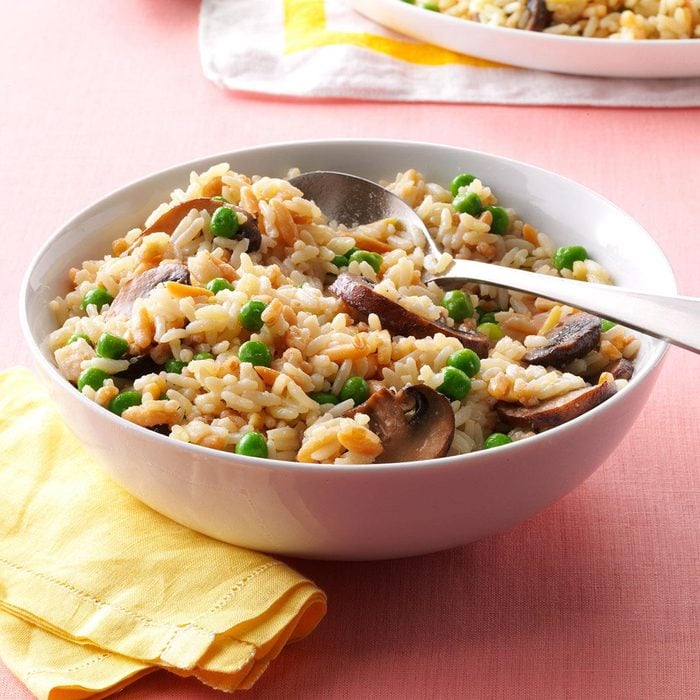
Mushrooms & Peas Rice PilafAnything can be in a rice pilaf. Adding peas and baby portobello mushrooms gives it a springlike burst of color and a variety of textures. —Stacy Mullens, Gresham, Oregon
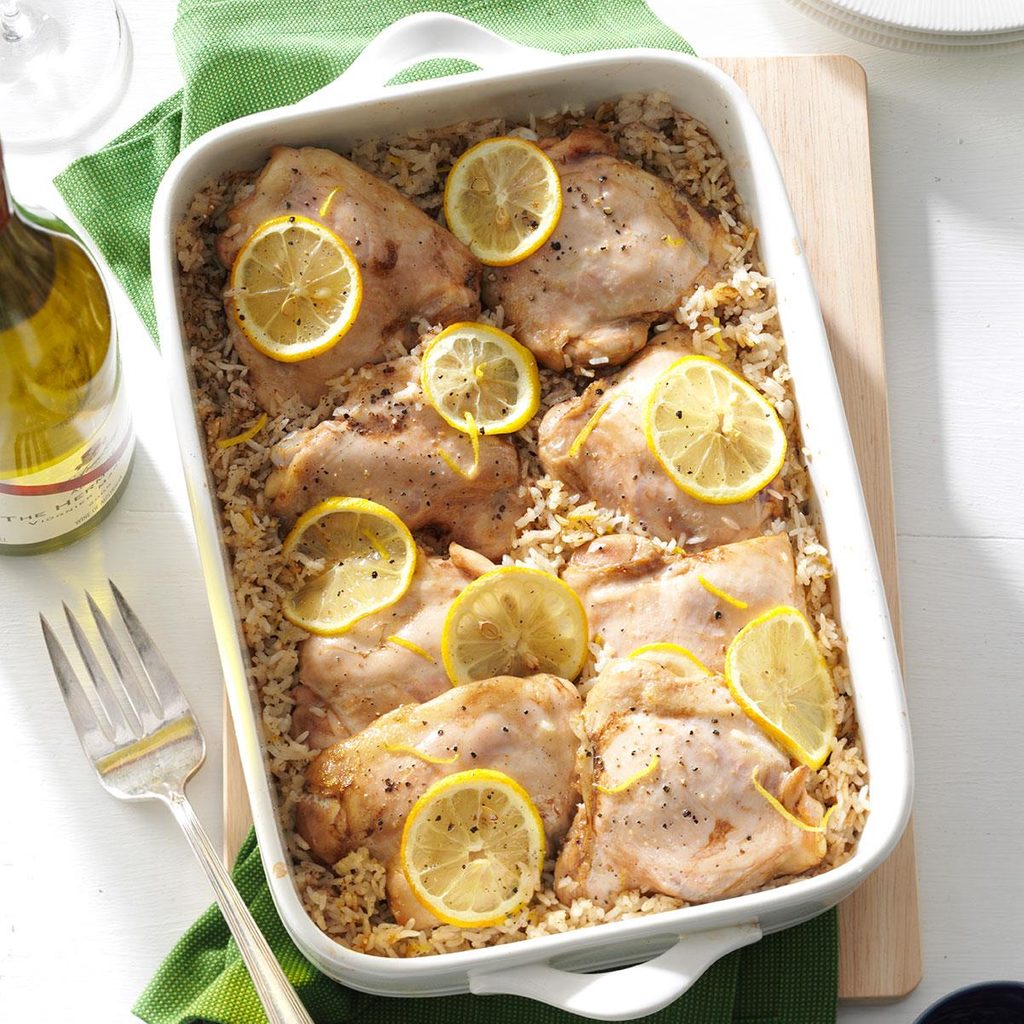
Lemony Chicken & RiceI couldn’t say who loves this recipe best, because it gets raves every time I serve it! Occasionally I even get a phone call or email from a friend requesting the recipe, and it's certainly a favorite for my grown children and 15 grandchildren. —Maryalice Wood, Langley, British Columbia
Broccoli, Rice and Sausage DinnerThe first recipe my kids requested when they left home was broccoli with sausage and rice. If fresh zucchini or summer squash is available, add it to the mix. —JoAnn Parmentier, Branch, Michigan
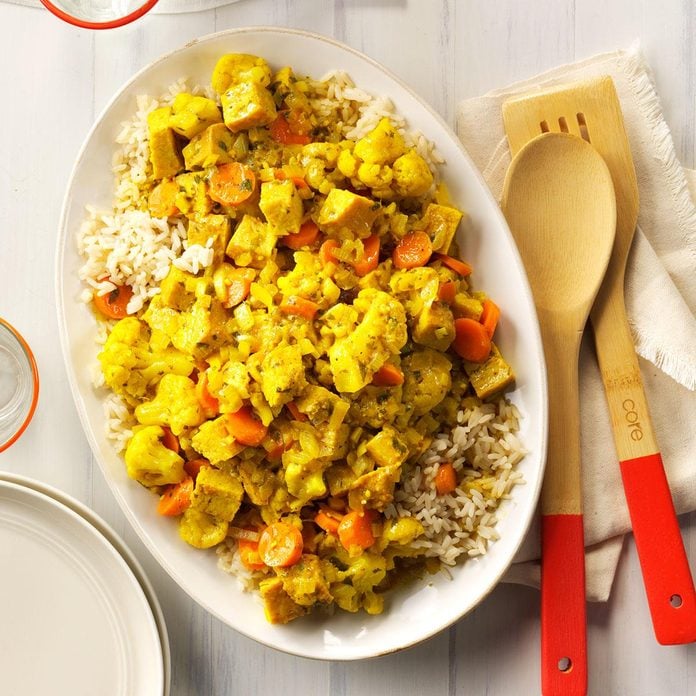
Turkey Curry with RiceWhen I have leftover turkey and a hankering for non-holiday food, I make turkey curry with carrots, cauliflower and mango chutney to spoon over rice. —Nancy Heishman, Las Vegas, Nevada
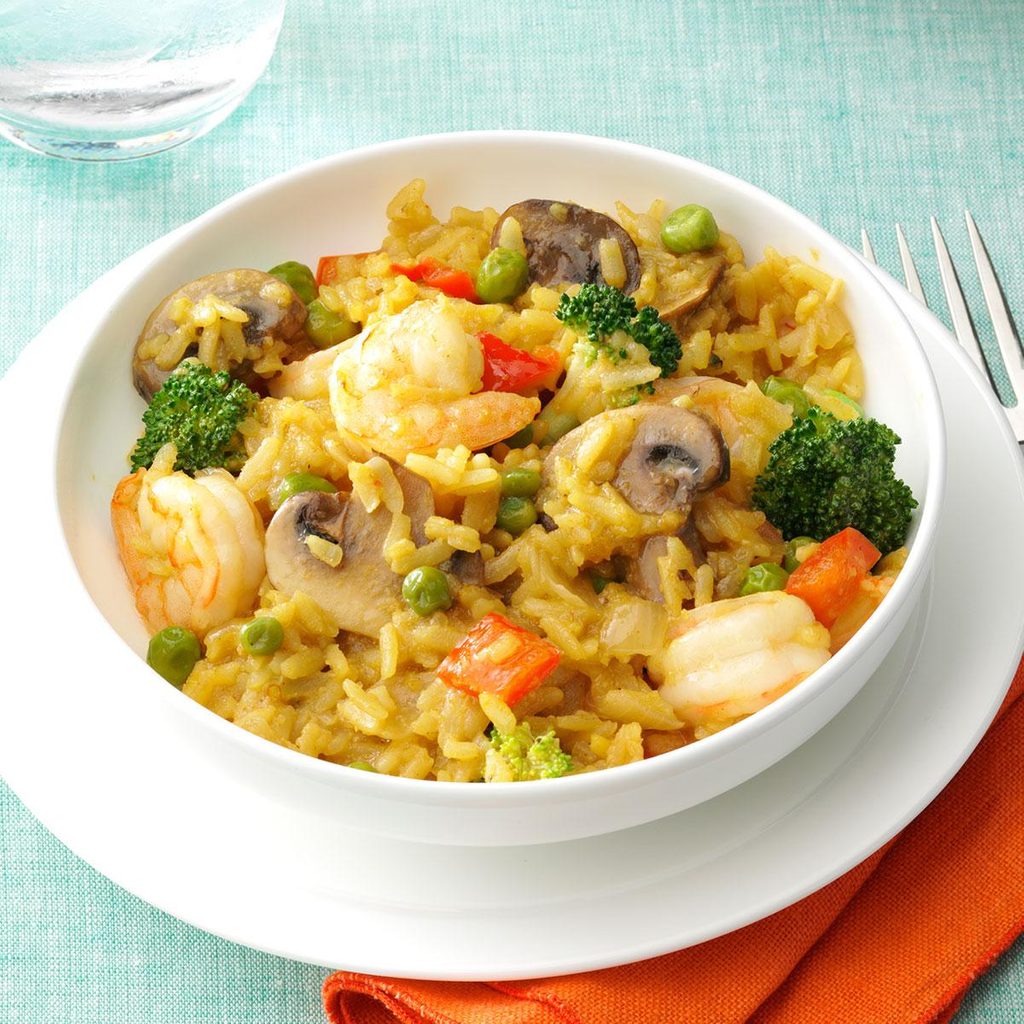
Shrimp & Broccoli Brown Rice PaellaYears ago my husband and I were vacationing in France and came across an open market where a man from Spain was making paella in a skillet; we've been hooked ever since. I love to whip this up for a large group, but if the gathering is small, I know I can easily freeze leftovers for another time. —Joni Hilton, Rocklin, California
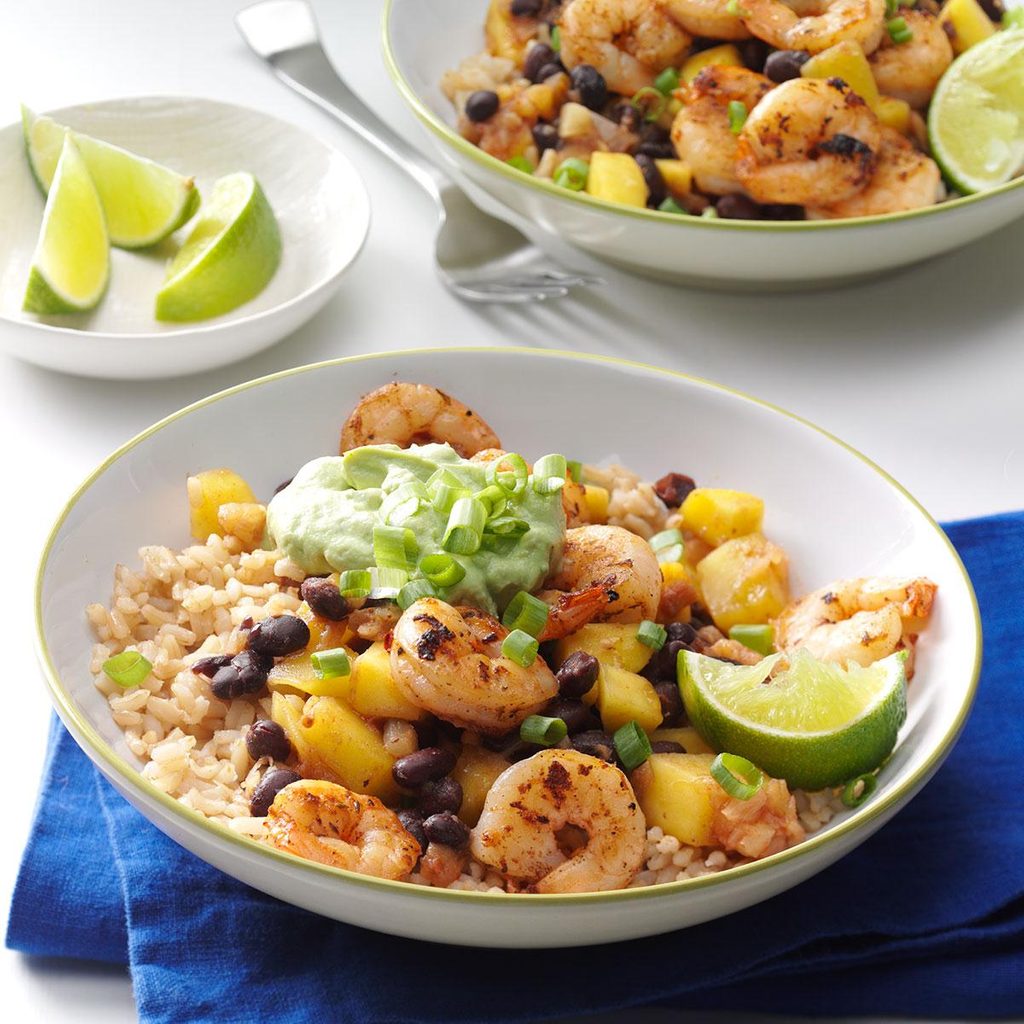
Caribbean Shrimp & Rice BowlI had a similar rice bowl on vacation and re-created this lighter version at home. It takes me back to the islands every time I make it. Try grilling the shrimp for more beachy flavor. —Lauren Katz, Ashburn, Virginia
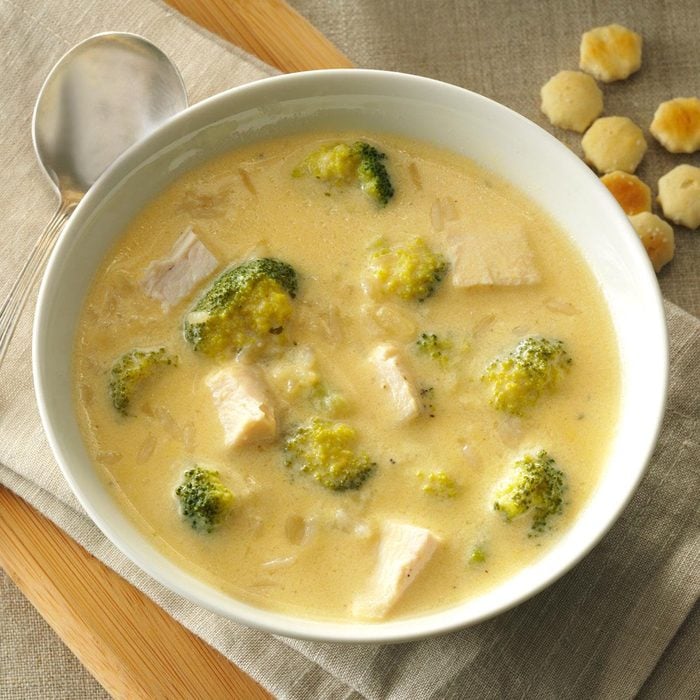
Broccoli-Chicken Rice SoupI transformed leftover chicken and rice into this tasty soup. It even passed the company test. —Karen Reed, Middletown, Ohio
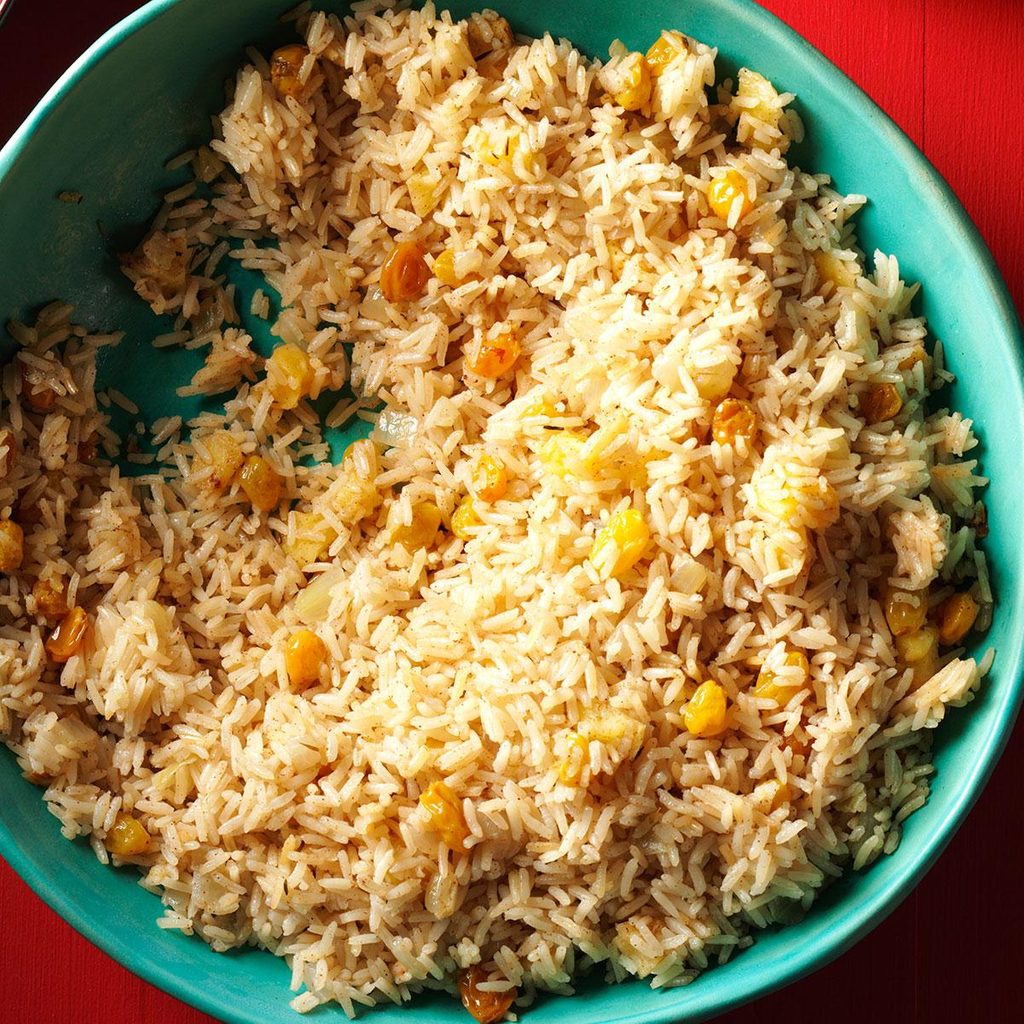
Rice Pilaf with Apples & RaisinsI love making bulgar pilaf with apricots. So glad I tried it with dried apples and golden raisins! —Elizabeth Dumont, Madison, Mississippi
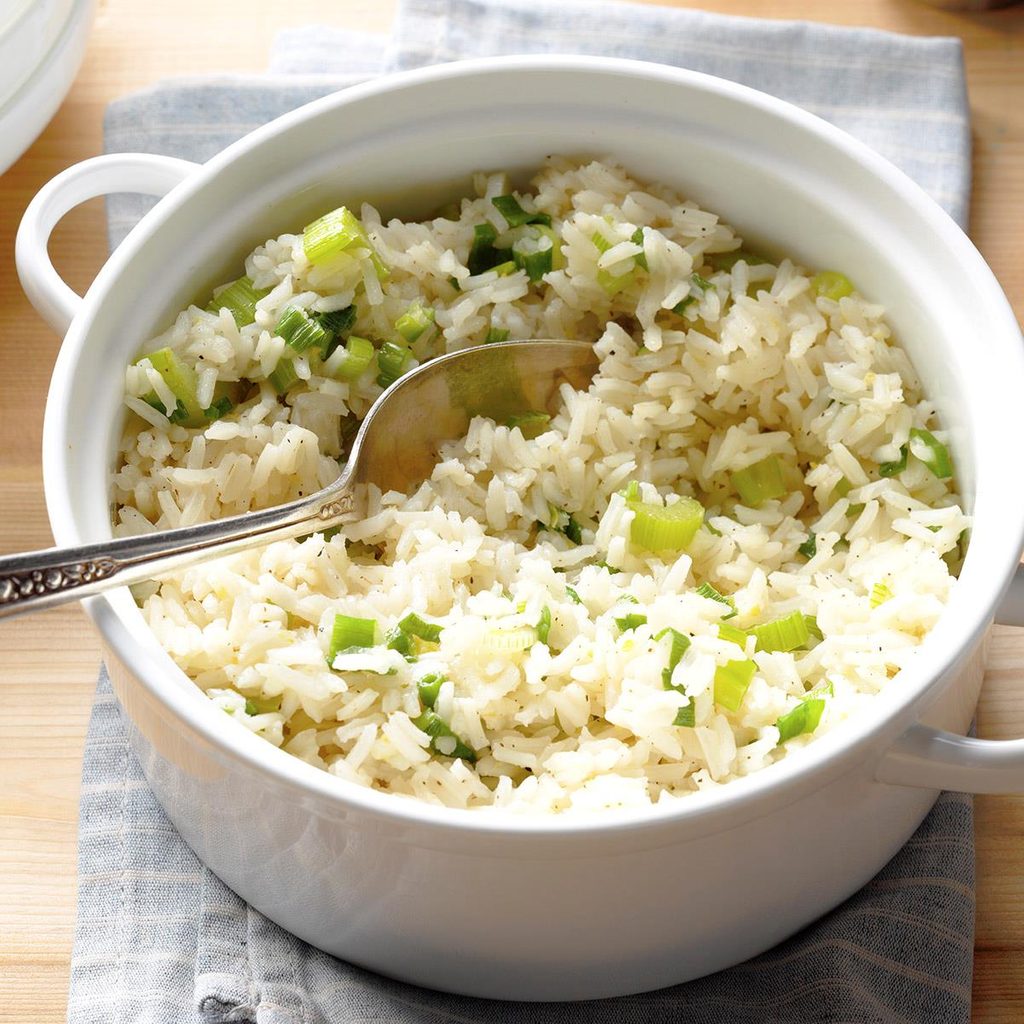
Lemon Rice PilafNo need to buy premade pilaf mix when you can easily make your own in 20 minutes. The lemon zest adds a welcome burst of tang. —Taste of Home Test Kitchen
RELATED: Find out how long does rice last in the fridge before going bad.
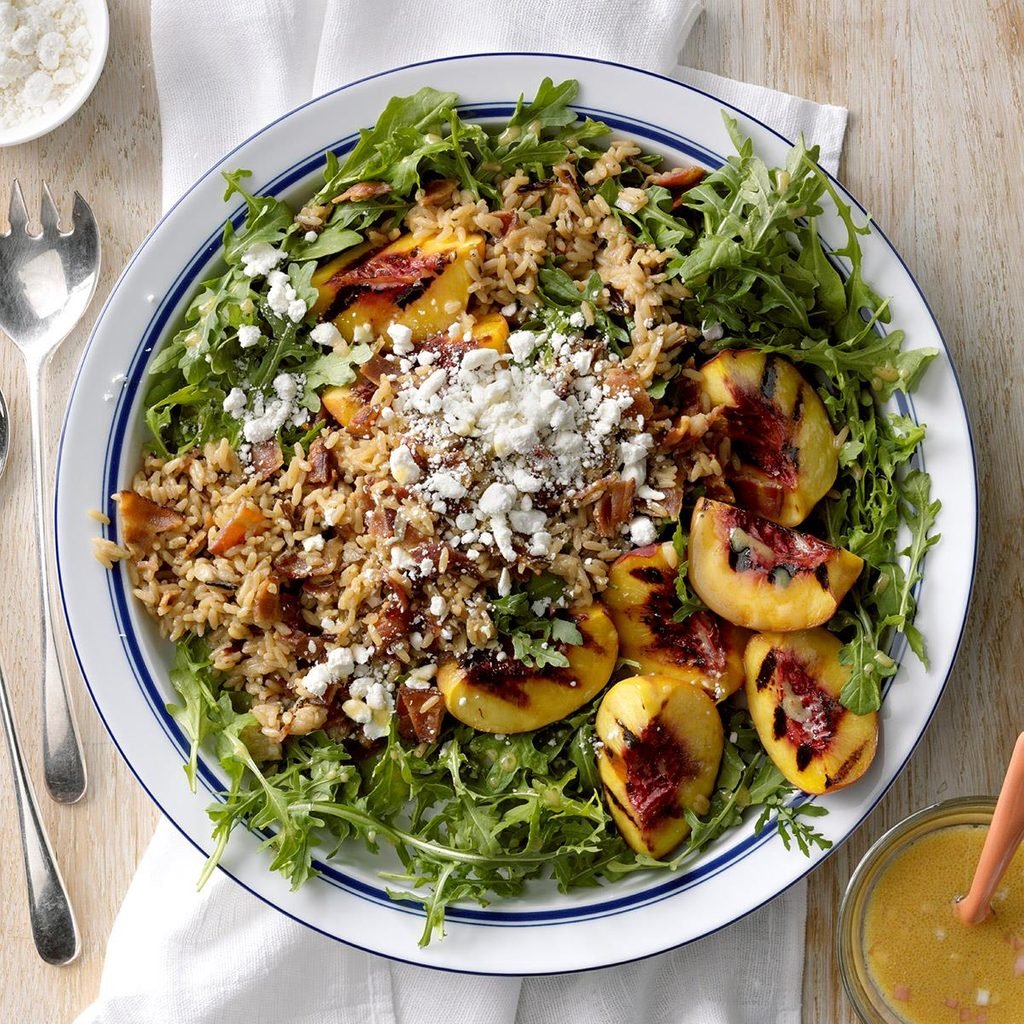
Grilled Peach, Rice & Arugula SaladThis hearty salad was created when I needed to clear out some leftovers from the fridge—and it became an instant hit! The grilled peaches are the ultimate "tastes like summer" salad booster. —Lauren Wyler, Dripping Springs, Texas
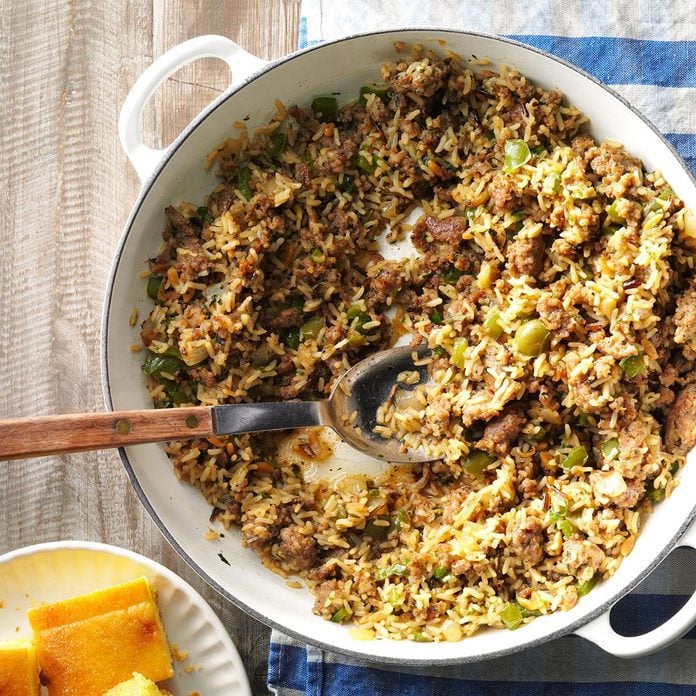
Spicy Rice CasseroleStirring up pork sausage, wild rice and jalapeno to taste makes this a terrific side. Or serve it with cornbread to turn it into a main dish. It’s easy to make ahead and reheat for a potluck meal. —Debbie Jones, California, Maryland
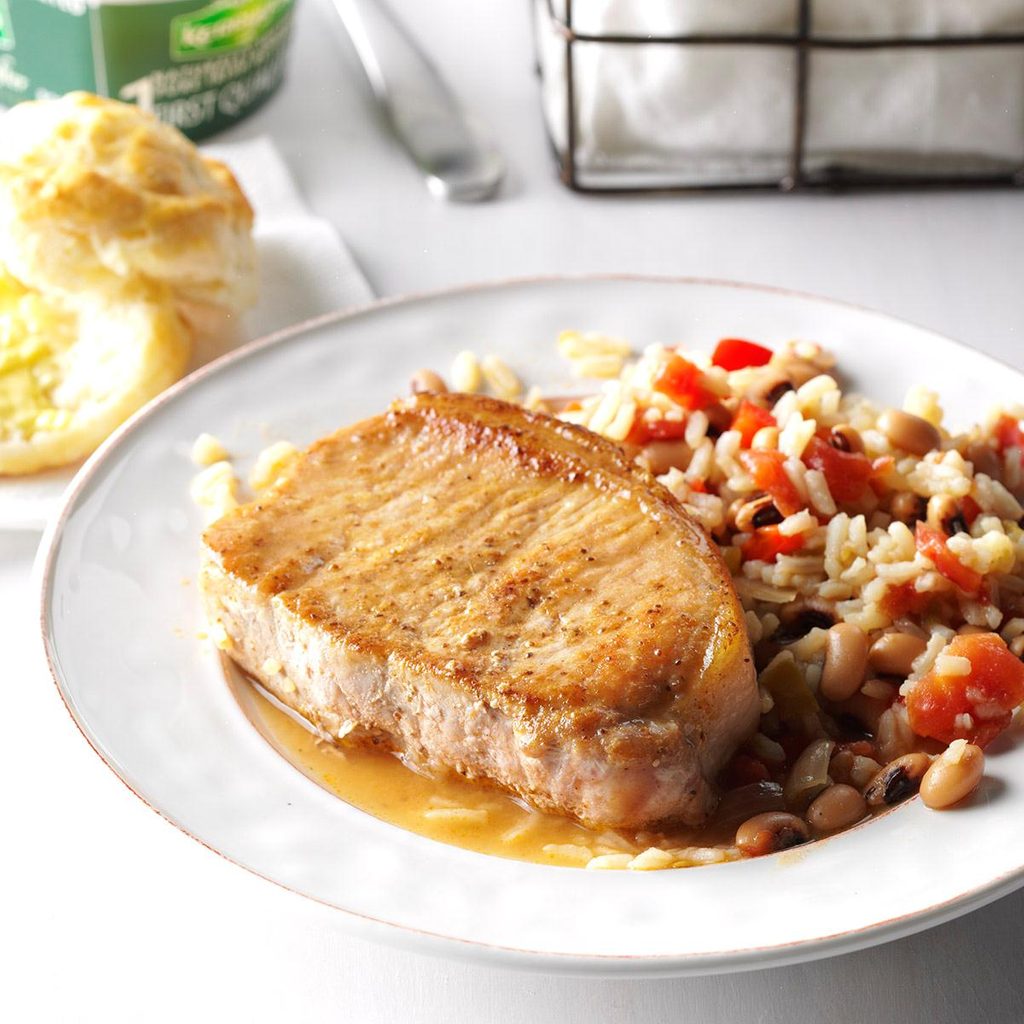
Southern Pork & RiceAt our house, we're big on healthy eating. These ultra tender chops with colorful rice and black-eyed peas are a meal fancy enough for a dinner party. —Annie Holmes, Murfreesboro, Tennessee
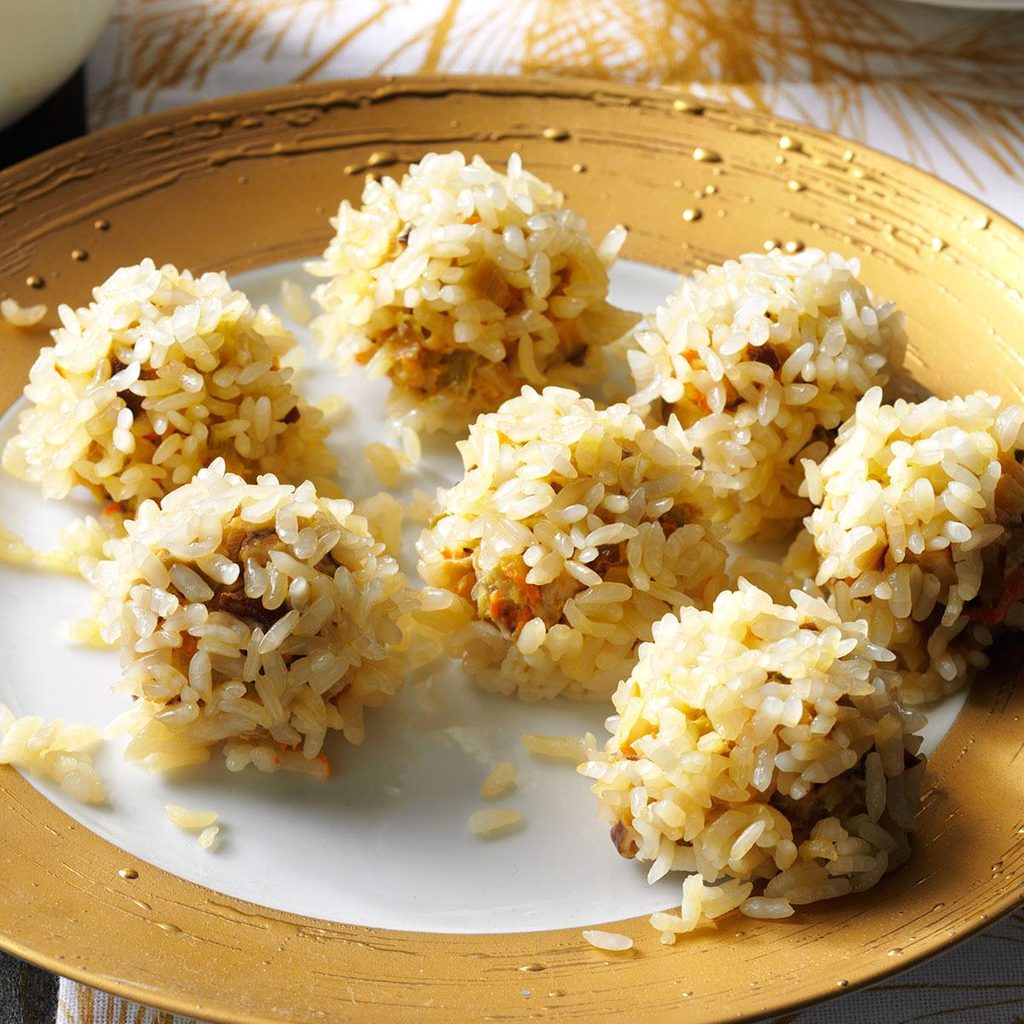
Pork & Rice MeatballsMy appetizer meatballs combine two of my favorite Asian dishes —Chinese pork dumplings and steamed chicken balls. —Elizabeth Dumont, Madison, MS
Cajun Pork and RiceI created this recipe after returning home from my travels and discovering I had little food in the house. I used ingredients that were already available in the refrigerator and pantry. —Allison Gapinski, Cary, North Carolina
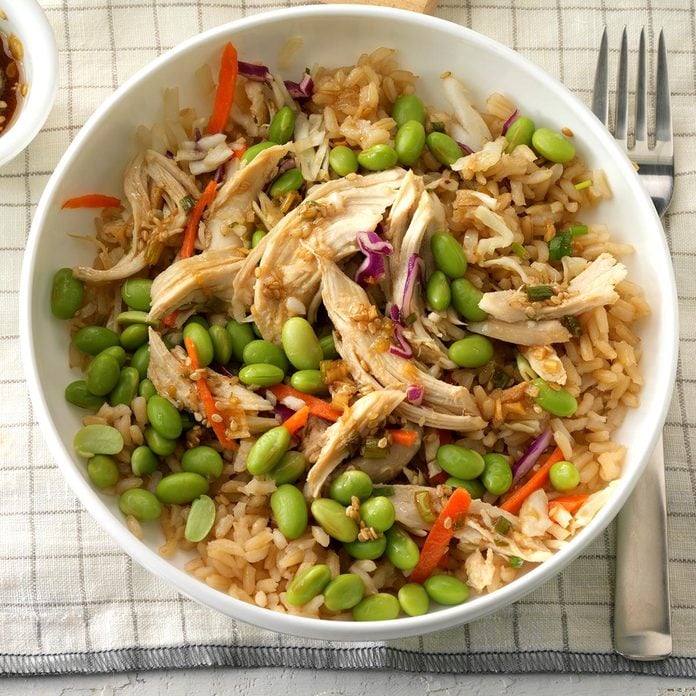
Asian Chicken Rice BowlThis super flavorful, nutrient-packed dish makes use of supermarket conveniences like coleslaw mix and rotisserie chicken. This recipe is easily doubled or tripled for large families. —Christianna Gozzi, Asteria, New York
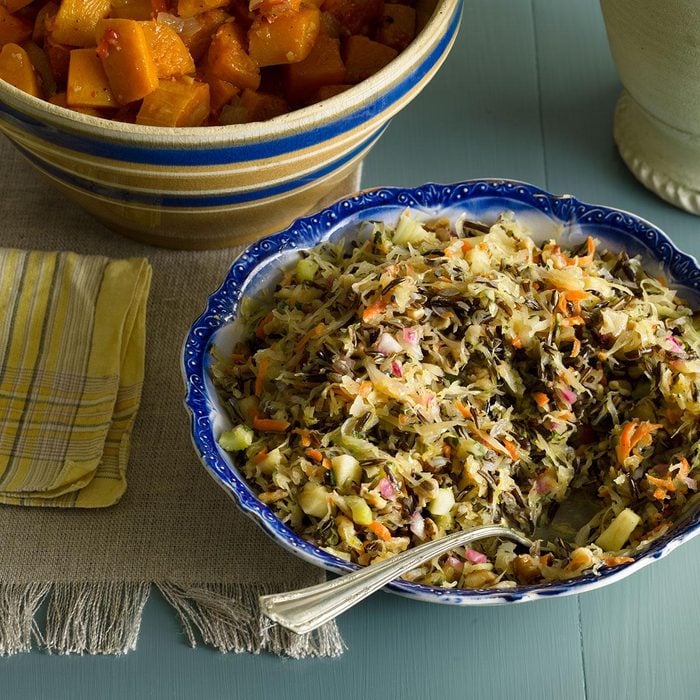
Northwoods Wild Rice SaladThis is my Minnesota version of a vintage German slaw that’s popular at church suppers. The wild rice has a nutty flavor that pairs perfectly with tangy sauerkraut. —Jeanne Holt, St. Paul, Minnesota
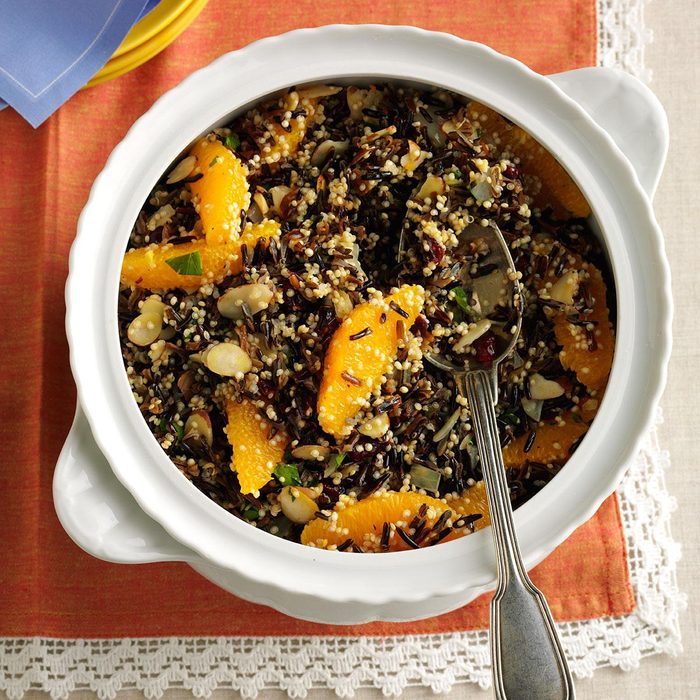
Wild Rice, Quinoa & Cranberry SaladThis fragrant salad is a vitamin and protein powerhouse. Toss in leftover cooked turkey to make it a meal the next day. —Jerilyn Korver, Bellflower, California
Festive RiceMy mom and I transformed plain rice by adding feta, cranberries, pumpkin seeds and cayenne. We wound up with a sweet and spicy crowd-pleaser. —Lisa de Perio, Dallas, Texas
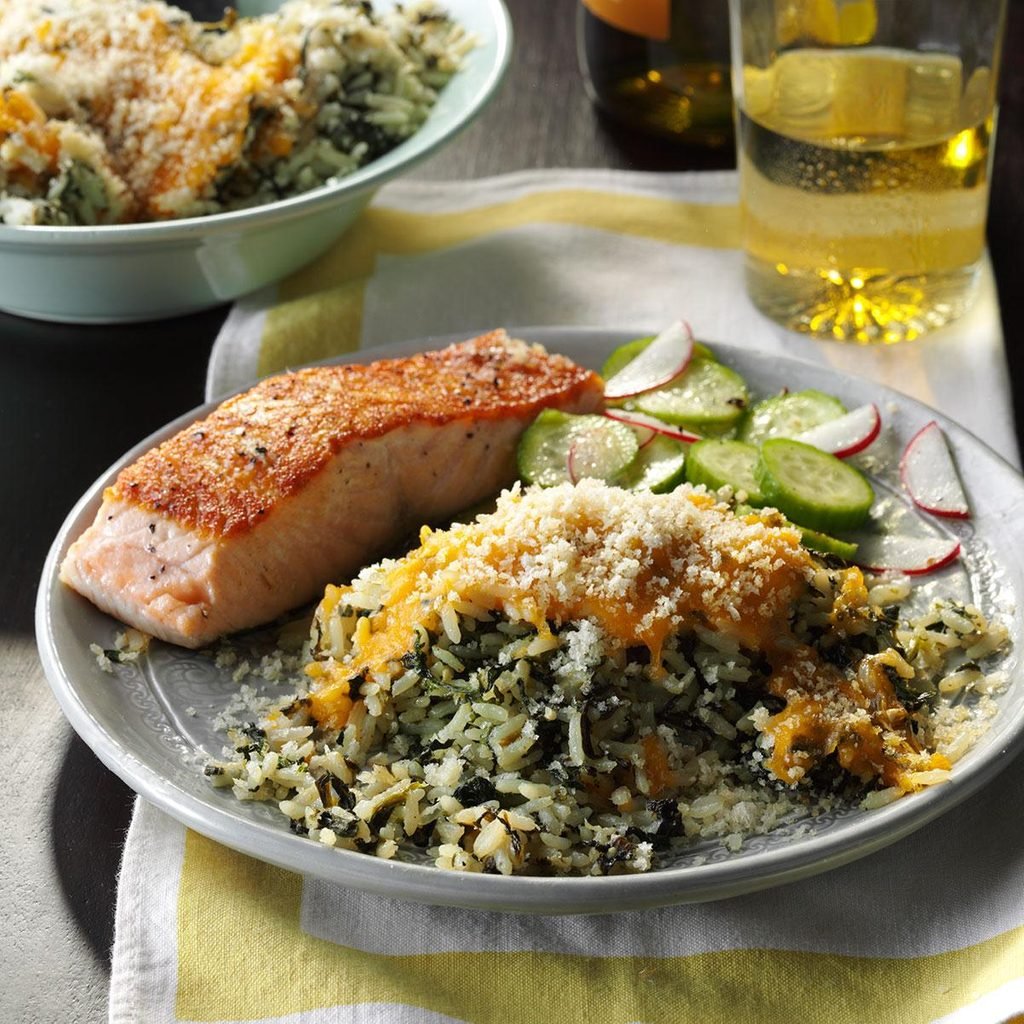
Slow-Cooker Spinach & RiceI started making this in the slow cooker to save oven space during the holidays. It's so convenient that I no longer reserve it for special occasions! —Erica Polly, Sun Prairie, Wisconsin
Chicken & Vegetable Wild Rice SoupThis go-to weeknight recipe is one I tweaked over and over till it was just right. It has morphed from a labor-intensive wintry bowl to a steamy, comforting, slow-cooked favorite for our family. —Courtney Riggin, Hatchechubbee, Alabama
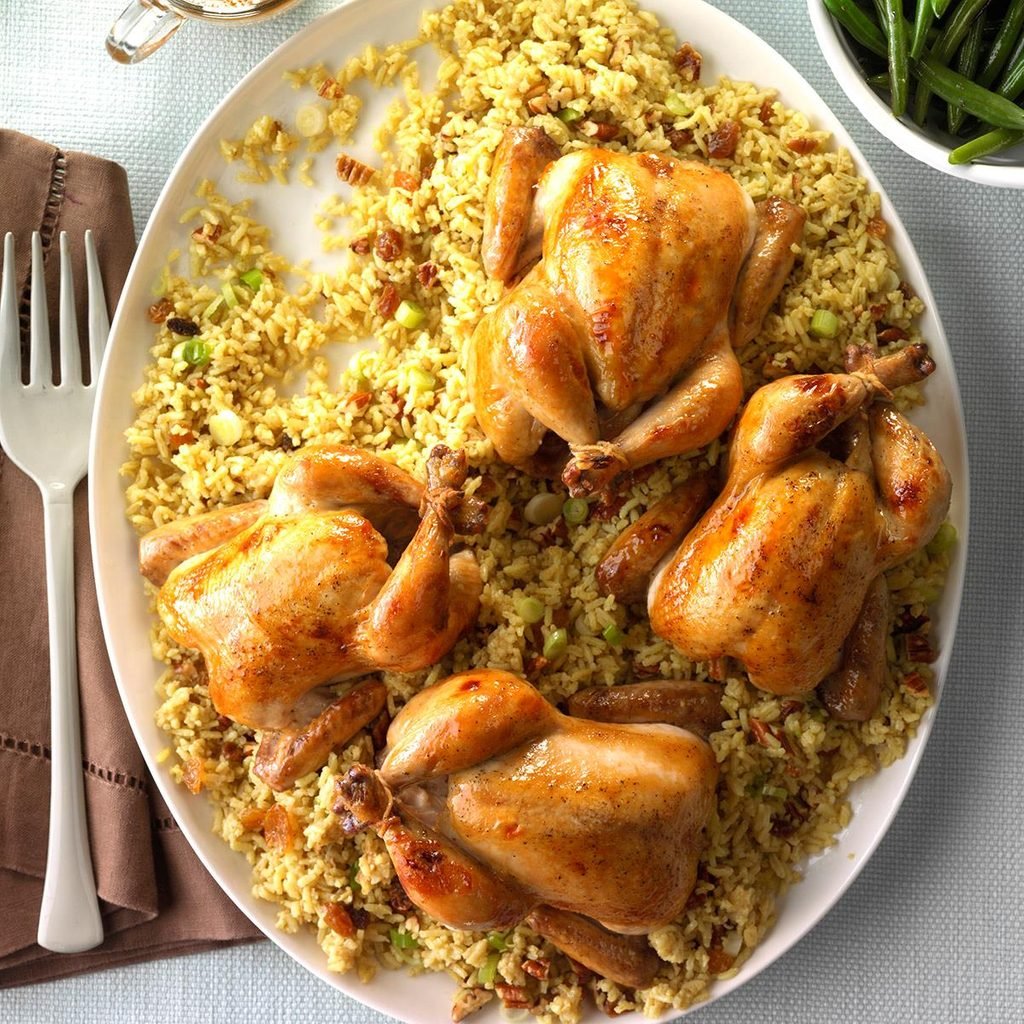
Glazed Cornish Hens with Pecan-Rice StuffingCornish hens bake up with a lovely golden brown shine when they are basted with my sweet and tangy glaze. The traditional rice stuffing has some added interest with crunchy pecans and sweet golden raisins.—Agnes Ward, Stratford, Ontario