 TMB STUDIO
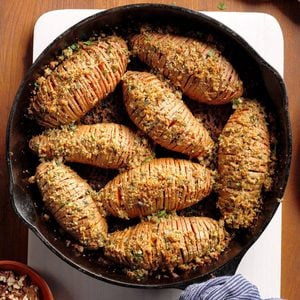
Treat your sweet-salty tooth! Sweet potatoes dressed with buttery, herby, garlicky goodness make for a stunning, delicious side dish. —Lauren Knoelke, Milwaukee, Wisconsin
Get Recipe
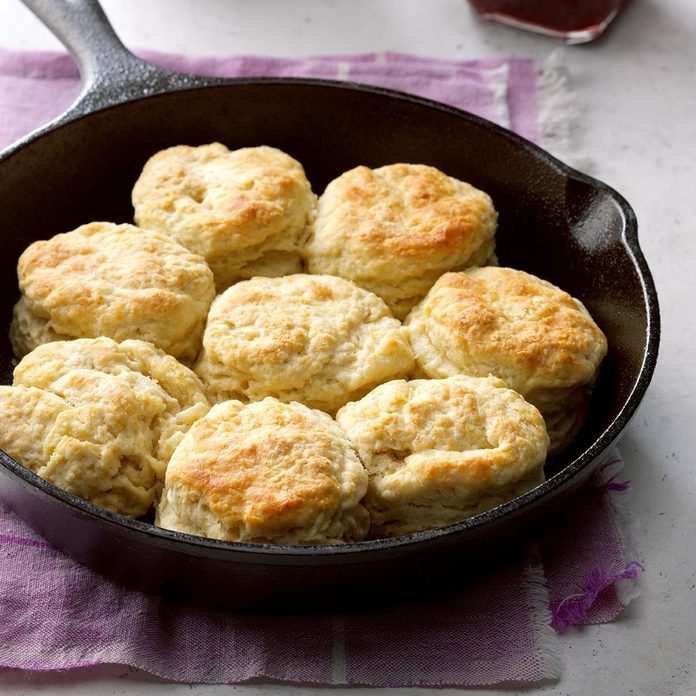
Rolled Buttermilk BiscuitsI scribbled down this recipe when our family visited The Farmers' Museum in Cooperstown, New York, many years ago. I must have gotten it right, because these biscuits turn out wonderful every time. —Patricia Kile, Elizabeth, Pennsylvania
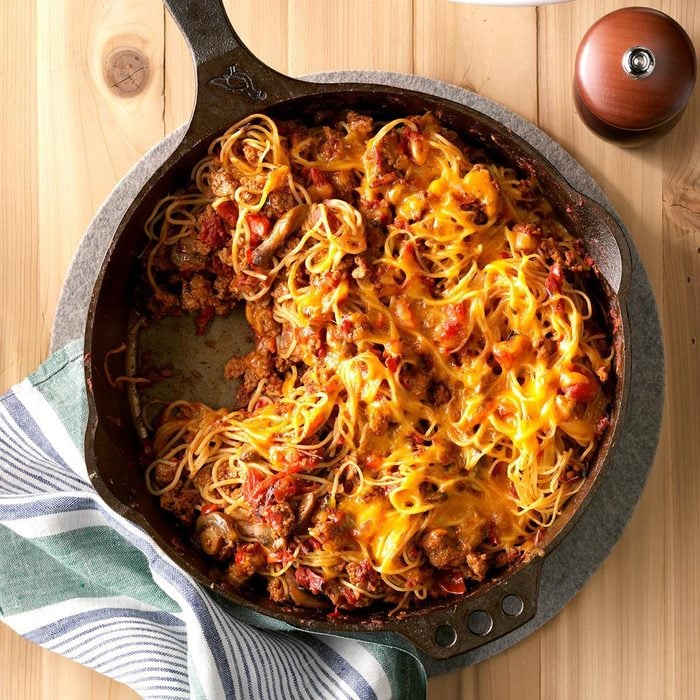
One-Skillet PastaThis recipe was given to me 25 years ago and remains a family favorite. It's a tasty twist on traditional spaghetti, and making a one-skillet pasta saves time on prep and cleanup, too. —Susan Spence, Lawrenceville, Virginia
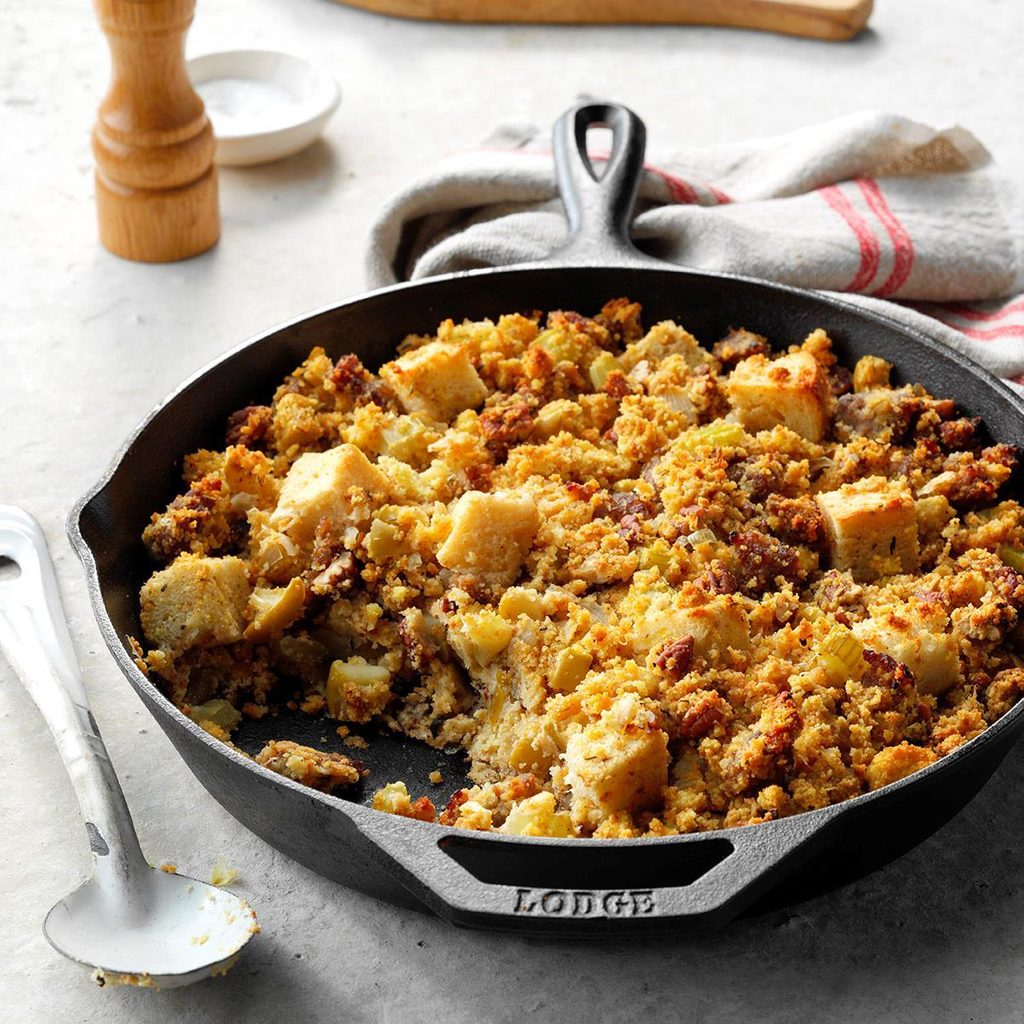
Deluxe Cornbread StuffingWhen my husband and I were newlyweds and far from family, we invited friends over for a traditional Thanksgiving feast. I searched for stuffing recipes and combined the best aspects of several to create this one. Everyone liked it, and I still make it for holidays. —Pamela Rickman, Valdosta, Georgia
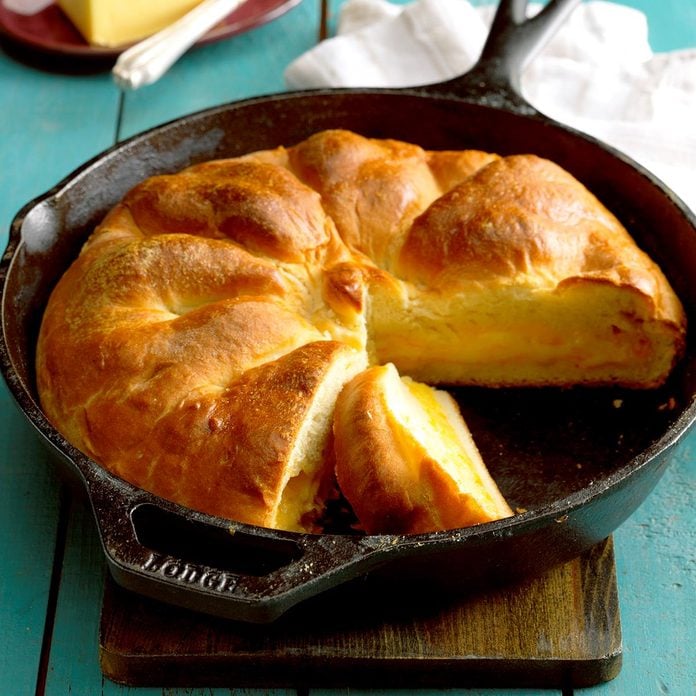
Muenster BreadMany years ago my sister and I won blue ribbons in 4-H with this bread. The recipe makes a beautiful golden loaf with cheese peeking out of every slice. —Melanie Mero, Ida, Michigan
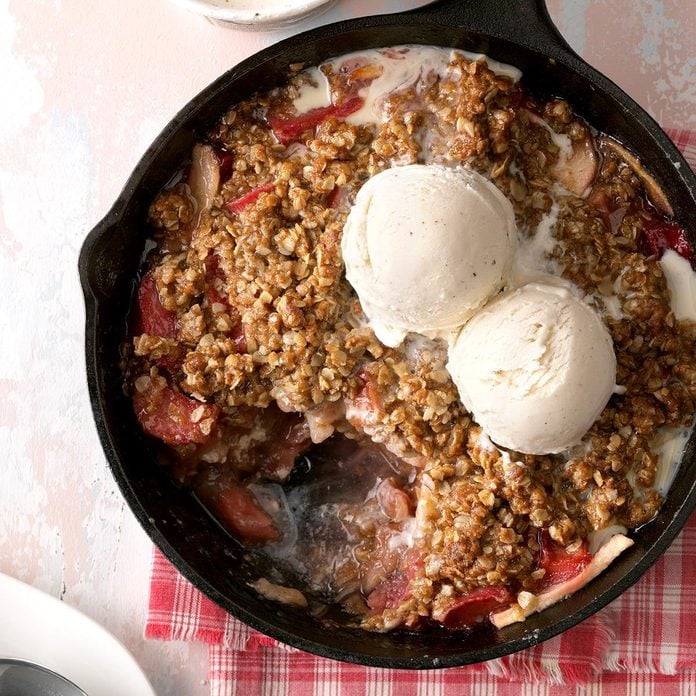
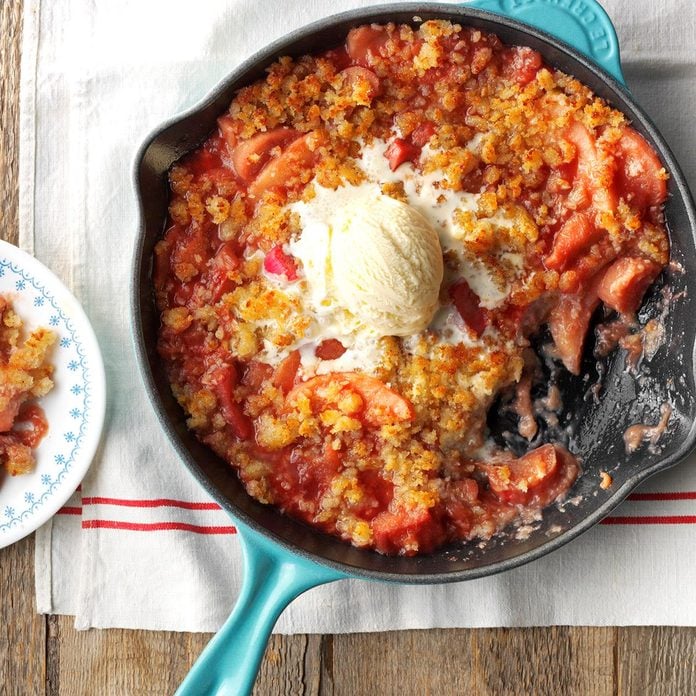
Rhubarb CrispI found this strawberry rhubarb crisp recipe on a box of Quaker Oats about 20 years ago. It's quick and easier to make than pie. It's versatile, too, because you can add strawberries in spring or apples in fall. I usually pop it into the oven shortly before we sit down to eat so it's still warm for dessert! —C.E. Adams, Charlestown, New Hampshire
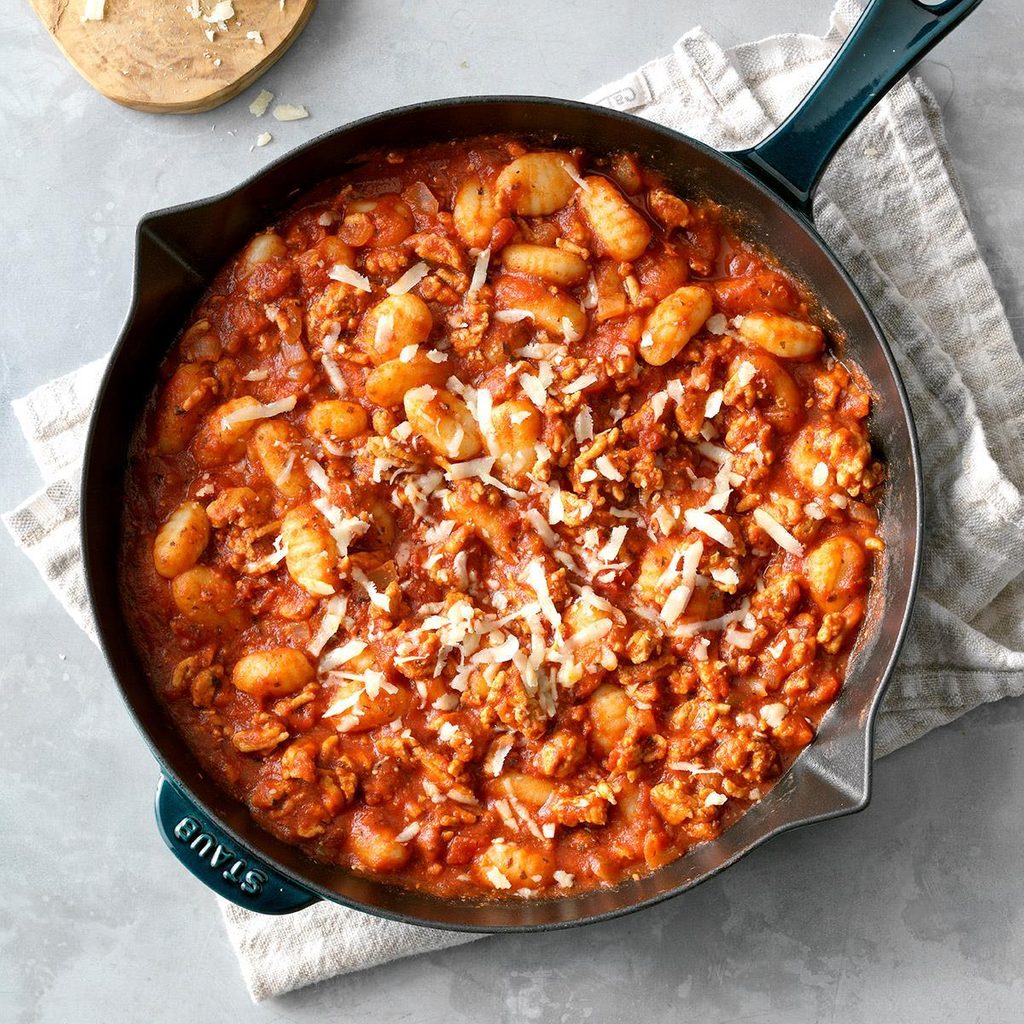
Gnocchi Chicken SkilletStovetop chicken and gnocchi recipes like this one make for a homey dinner in a hurry. Personalize it with your own favorite sauce and seasonings. —Taste of Home Test Kitchen
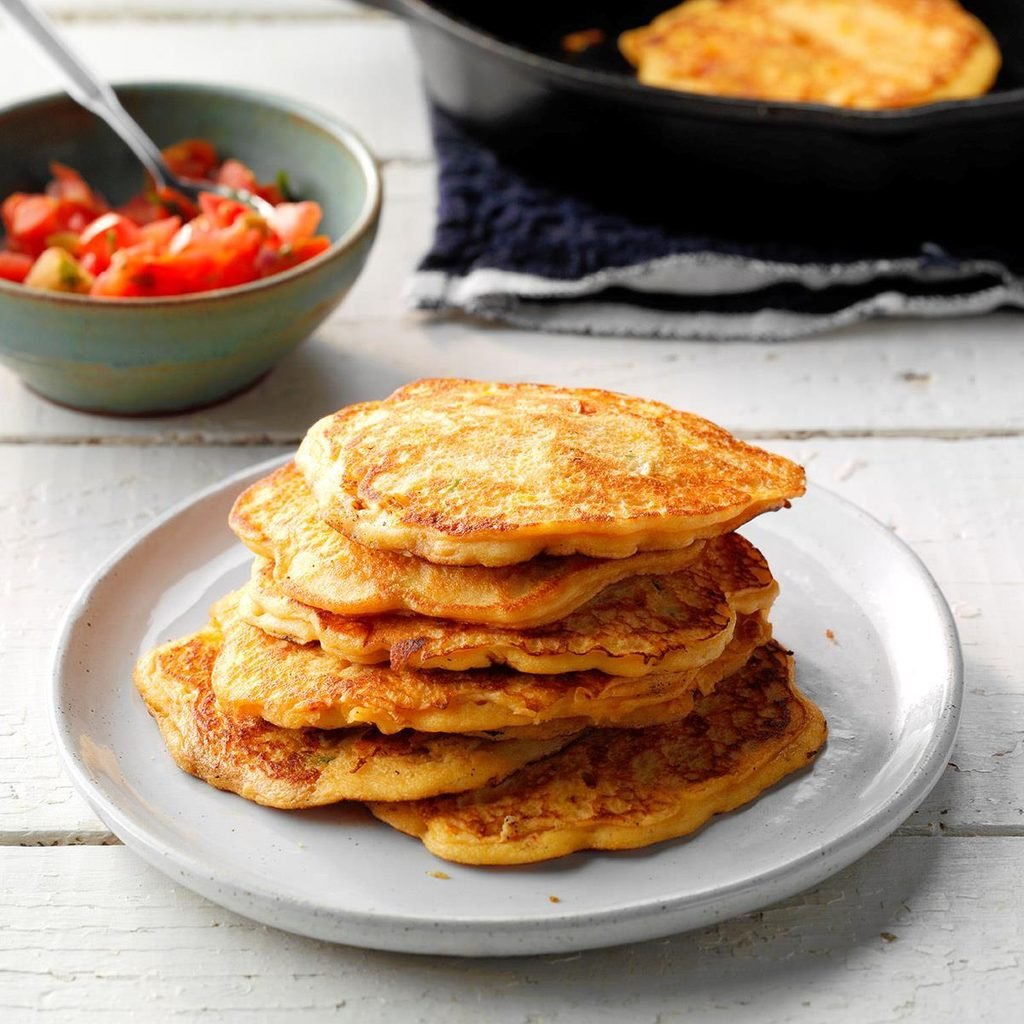
Salsa Corn CakesThis recipe is super with fresh or canned corn. I whip up these patties to serve alongside nachos or tacos on hot summer evenings. The salsa is subtle but adds flavor. —Lisa Boettcher, Rosebush, Michigan
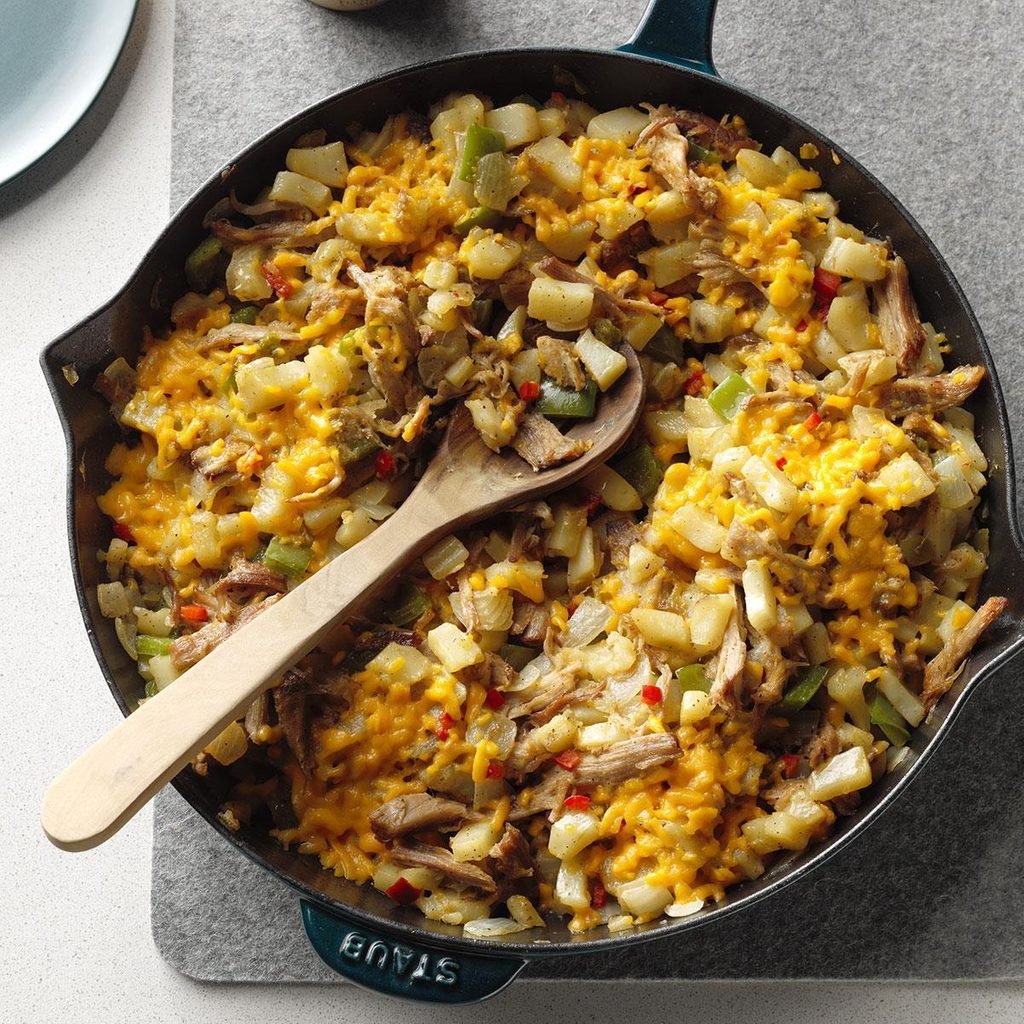
Hash Brown Pork SkilletFor this pork hash recipe, we added potatoes and veggies to leftover tenderloin. It's an easy, creamy weeknight supper in minutes! —Taste of Home Test Kitchen
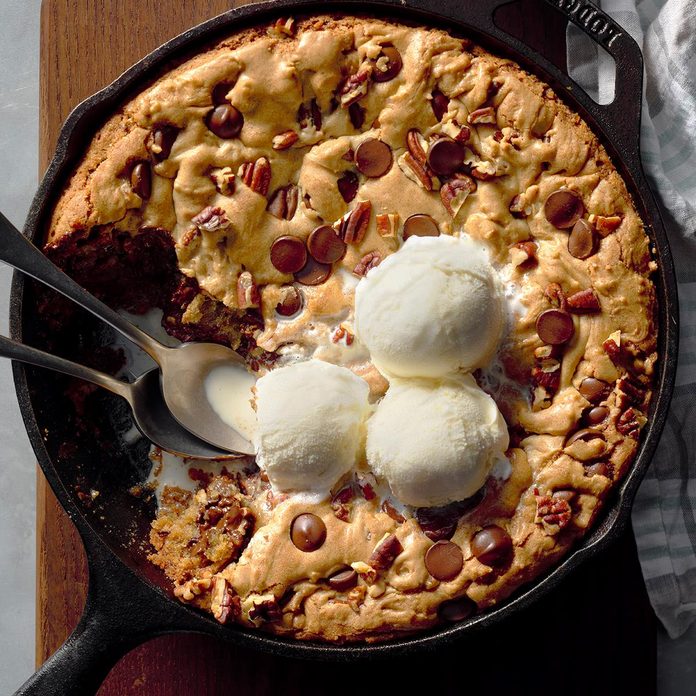
Chocolate Pecan Skillet CookieBake up the ultimate shareable cookie. For variety, swap out the chocolate chips for an equal quantity of M&M's or chocolate chunks. Or go super fancy by mixing the chocolate chips and pecans into the dough, then gently folding in 1-1/2 cups fresh raspberries. —James Schend, Pleasant Prairie, Wisconsin
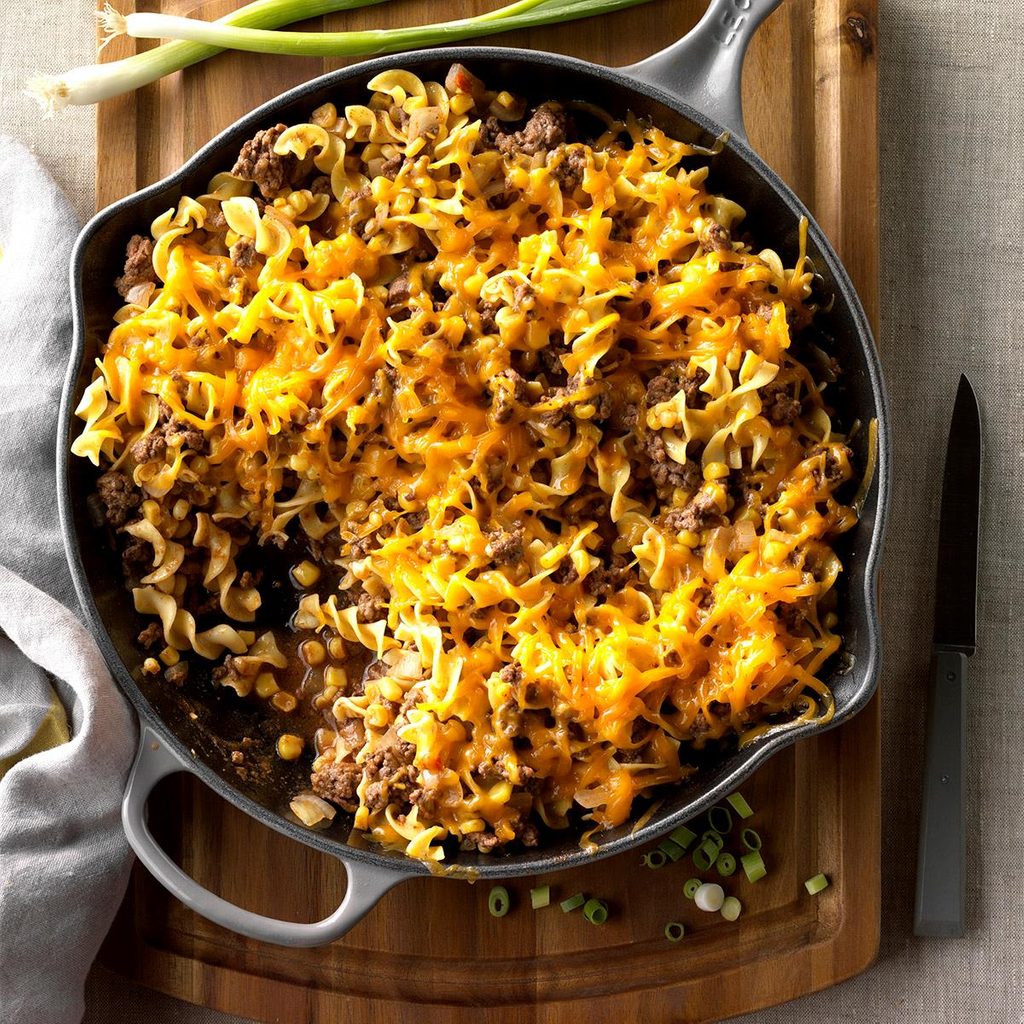
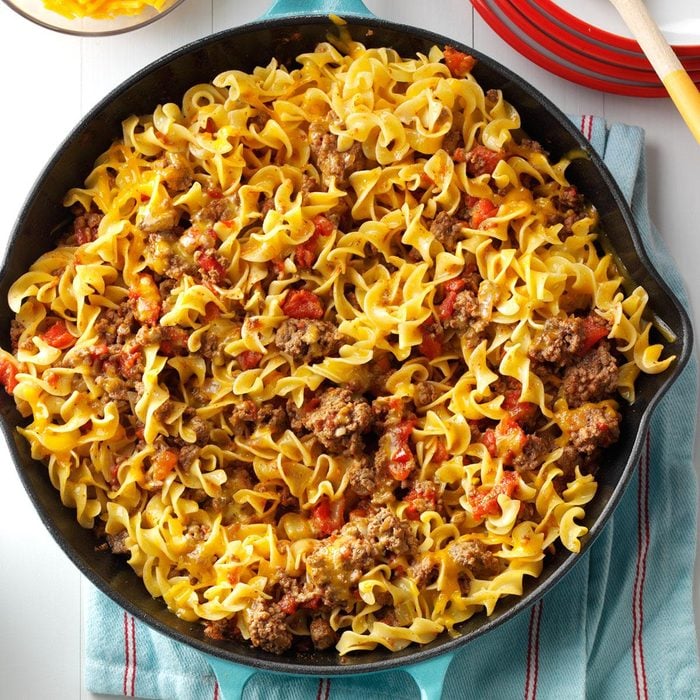
Beef Skillet SupperSometimes I'll make extra of this comforting, noodle-y supper to guarantee leftovers. It's a great take-along dish for work or school. Trim calories from the entree by substituting ground turkey for the beef and low-fat cheese for the full-fat cheddar. —Tabitha Allen, Cypress, Texas
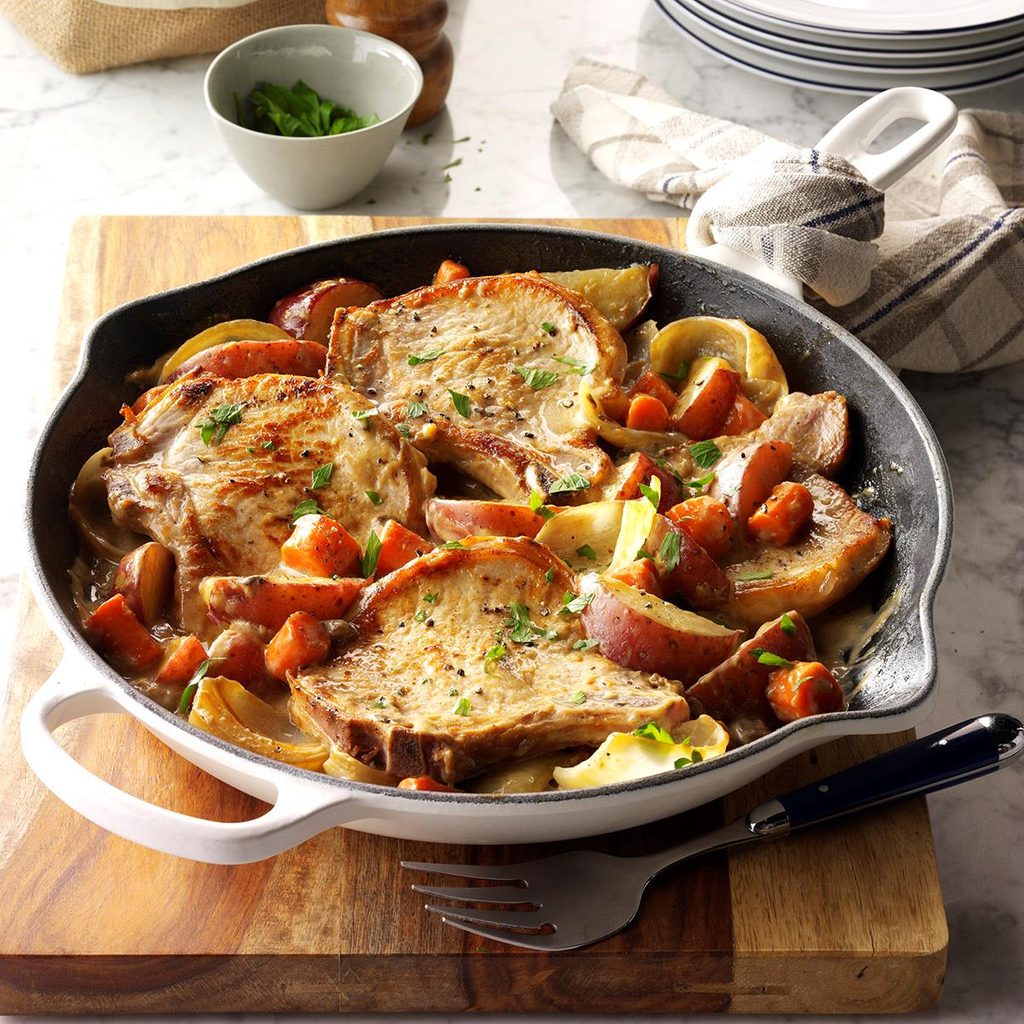
One-Skillet Pork Chop SupperMy husband, Clark, and I reserve this recipe for Sundays after the grandkids have gone home and we're too tired to prepare a big meal. It's comforting and quick. —Kathy Thompson, Port Orange, Florida
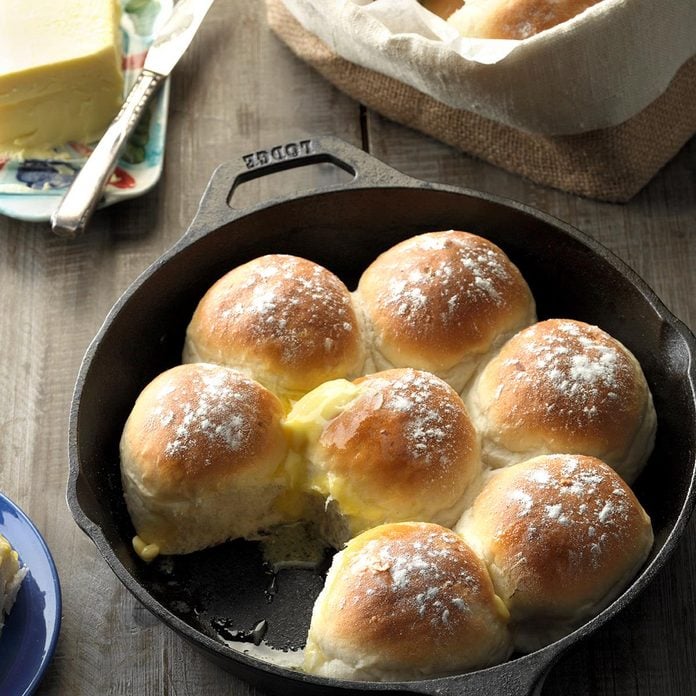
Potato Pan RollsMy family loves these rolls and requests them often. They don't take long to make because you use quick-rise yeast. —Connie Storckman, Evanston, Wyoming
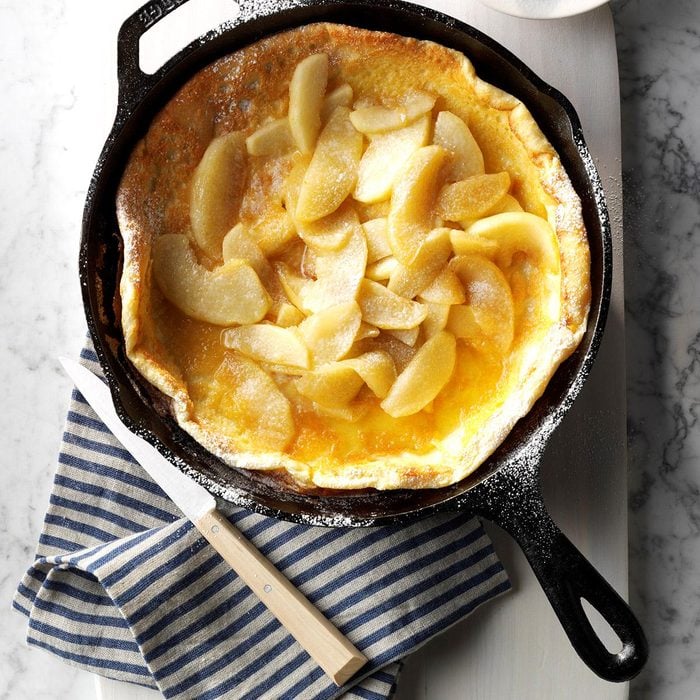
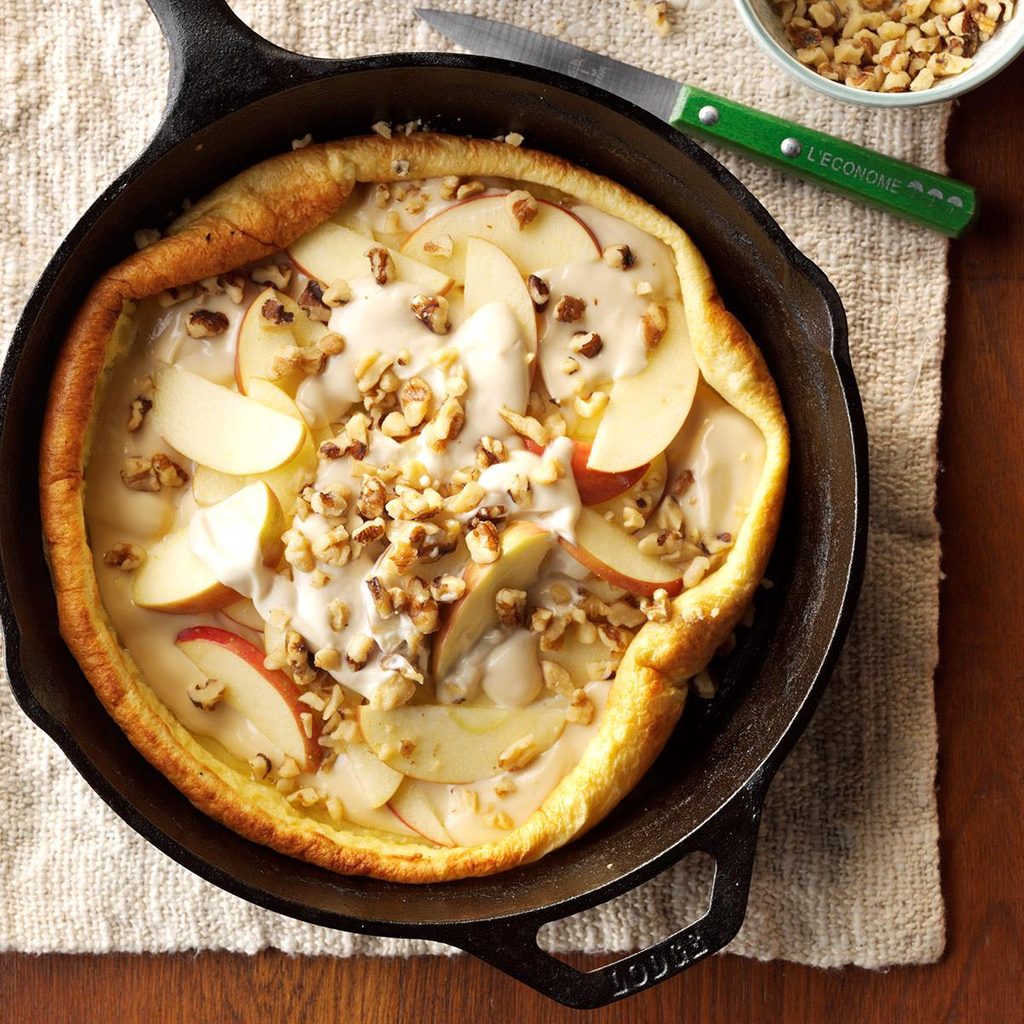
German Apple PancakeIf you're looking for a pretty dish to make when having guests for brunch, try this. Everyone I've served it to has enjoyed it—except for one time, that is, when my husband tried to make it following my recipe, which I'd written down incorrectly! If you don't leave out the flour as I did, it'll turn out terrific! —Judi Van Beek, Lynden, Washington
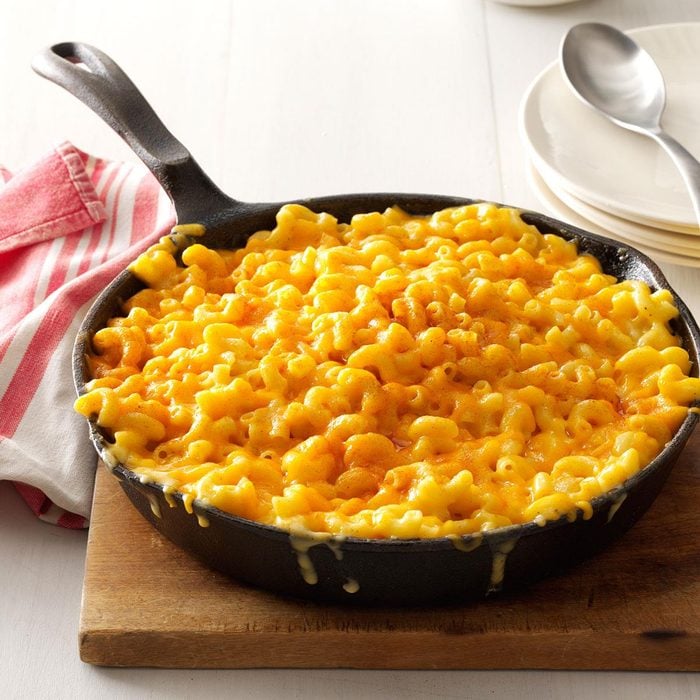
Homey Mac & CheeseI also call this "my grandson's mac and cheese." Zachary has been to Iraq and Afghanistan with both the Marines and Navy, and I've been privileged to make his favorite casserole for him for over 20 years. —Alice Beardsell, Osprey, Florida
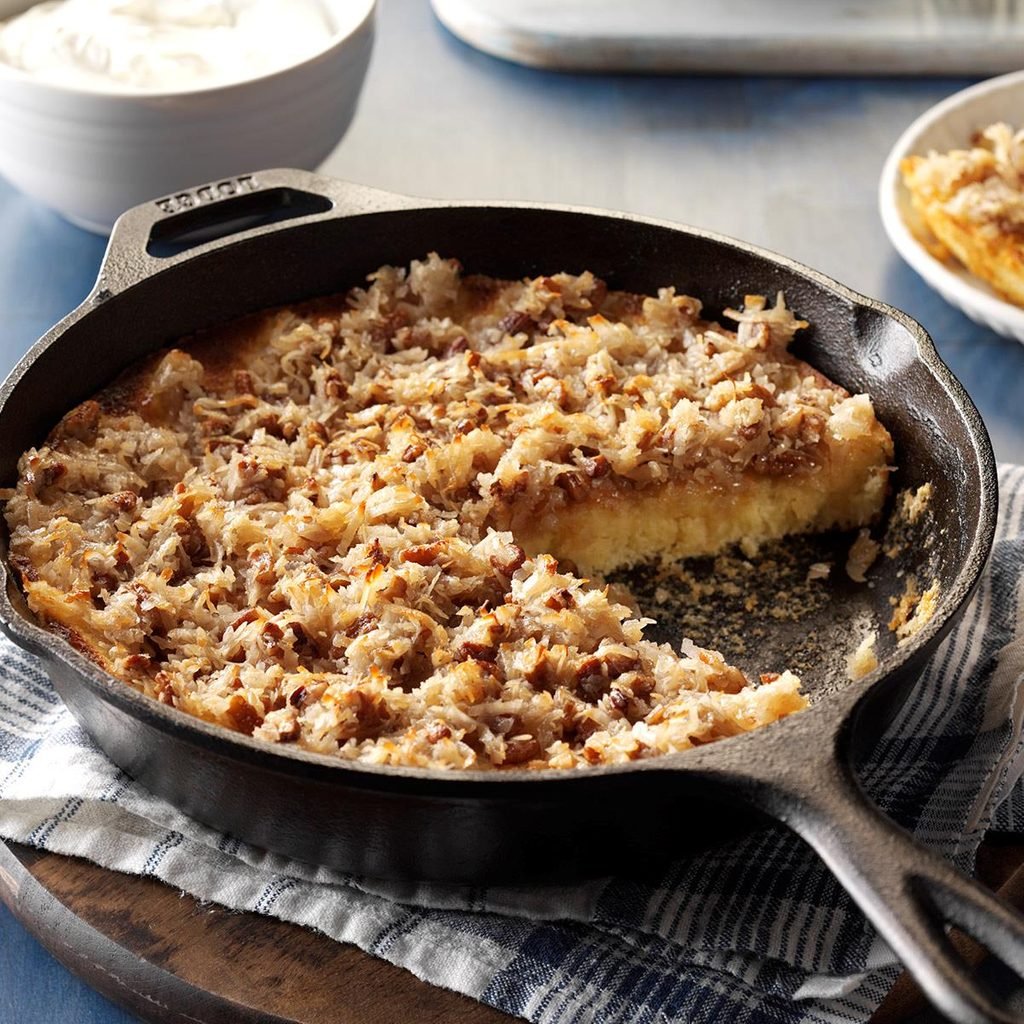
Macaroon-Topped Rhubarb CobblerCrumbled macaroons are a surprising addition to this cobbler’s topping. We love that you can make the sweet treat in a baking dish or a cast-iron skillet.
—Taste of Home Test Kitchen
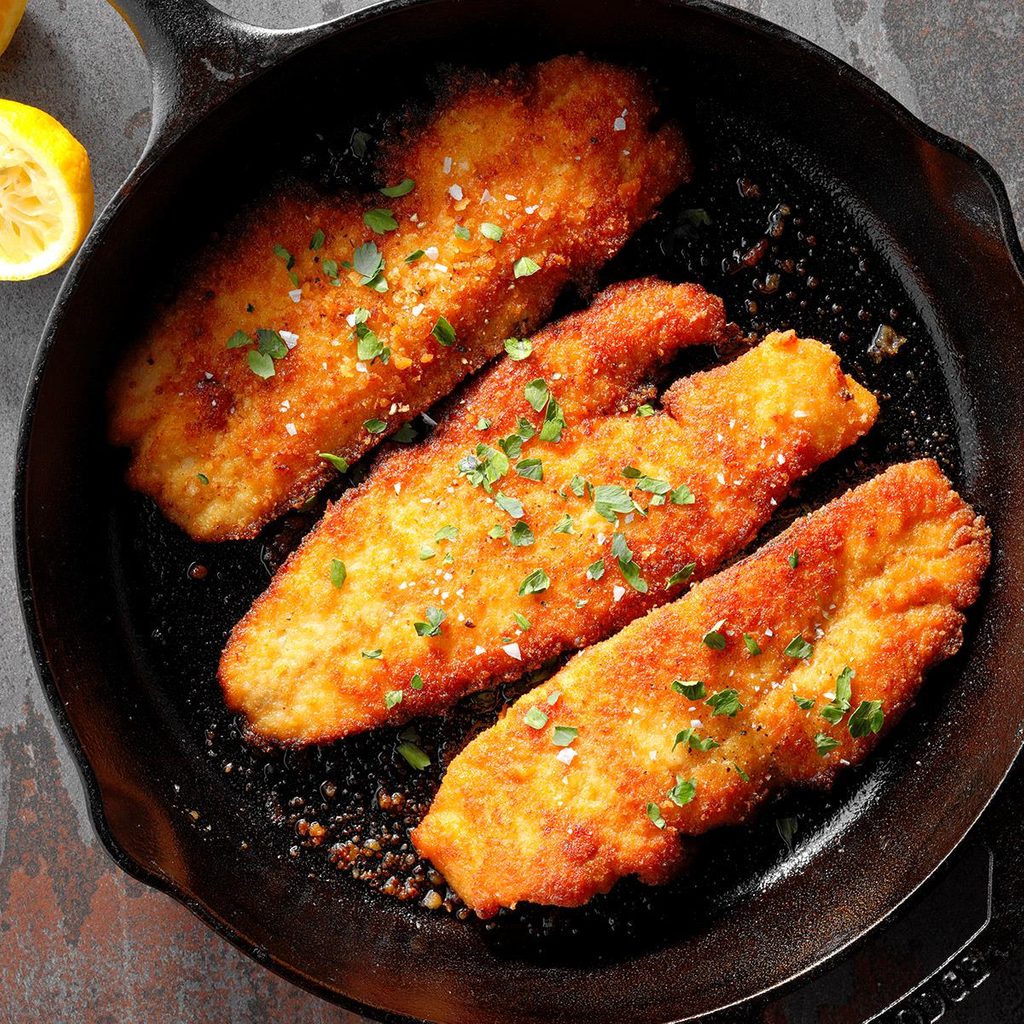
Honey WalleyeMy state is known as the Land of 10,000 Lakes, so fishing is a favorite recreational activity here. This recipe is a quick way to prepare all the fresh walleye hooked by the anglers in my family. —Kitty McCue, St. Louis Park, Minnesota
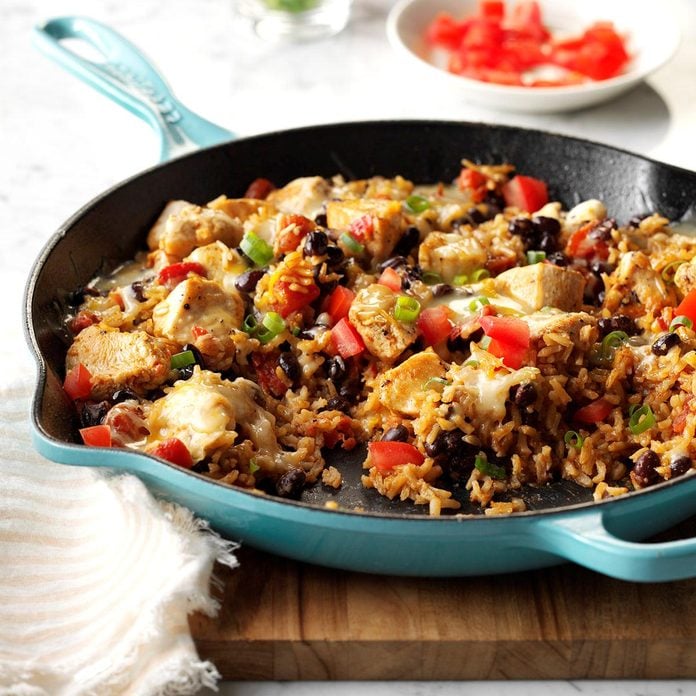
Chicken Burrito SkilletWe love Mexican night at our house, and I love to re-create dishes from our favorite restaurants. This burrito-inspired dish is ready for the table in almost no time! —Krista Marshall, Fort Wayne, Indiana
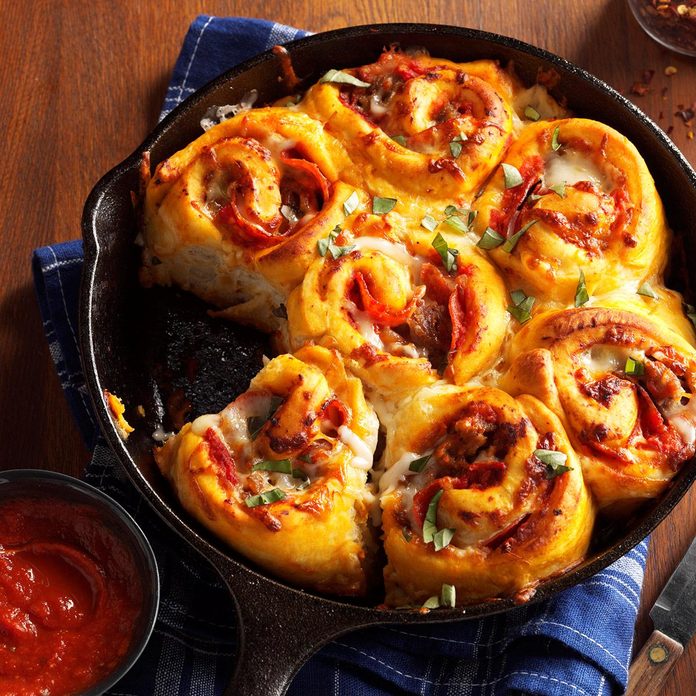
Cheesy Pizza RollsThe cast-iron skillet browns these delicious rolls to perfection. My family can't get enough. Use whatever pizza toppings your family likes best. —Dorothy Smith, El Dorado, Arkansas
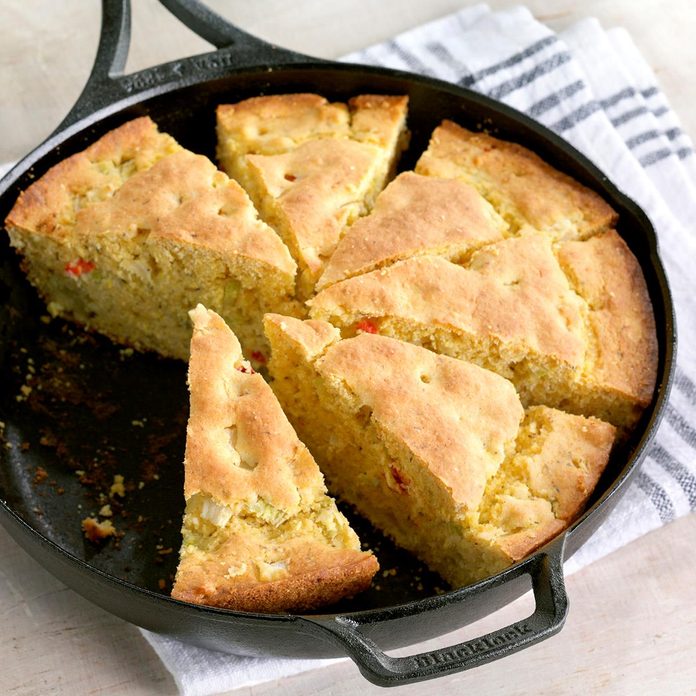
Skillet Herb BreadWe had a lot of family get-togethers while I was growing up. My grandmother, aunts and mom were all good cooks, and each had her own specialty when it came to bread. Mom's was my favorite—she created this recipe more than 40 years ago. The flavors call to mind the taste of cornbread stuffing! —Shirley Smith, Yorba Linda, California
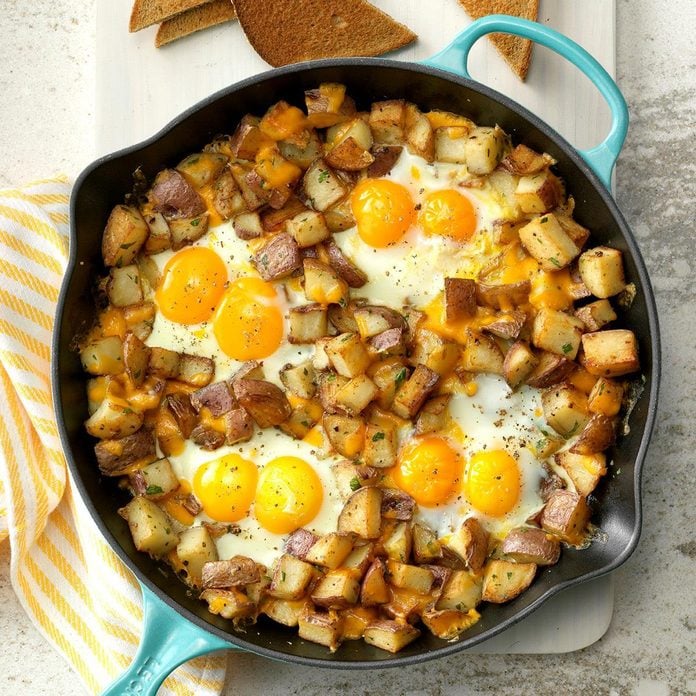
Baked Cheddar Eggs & PotatoesI love making breakfast recipes with eggs for dinner, especially this combo with potatoes and cheese that's started in a skillet on the stovetop and then popped into the oven to bake. —Nadine Merheb, Tucson, Arizona
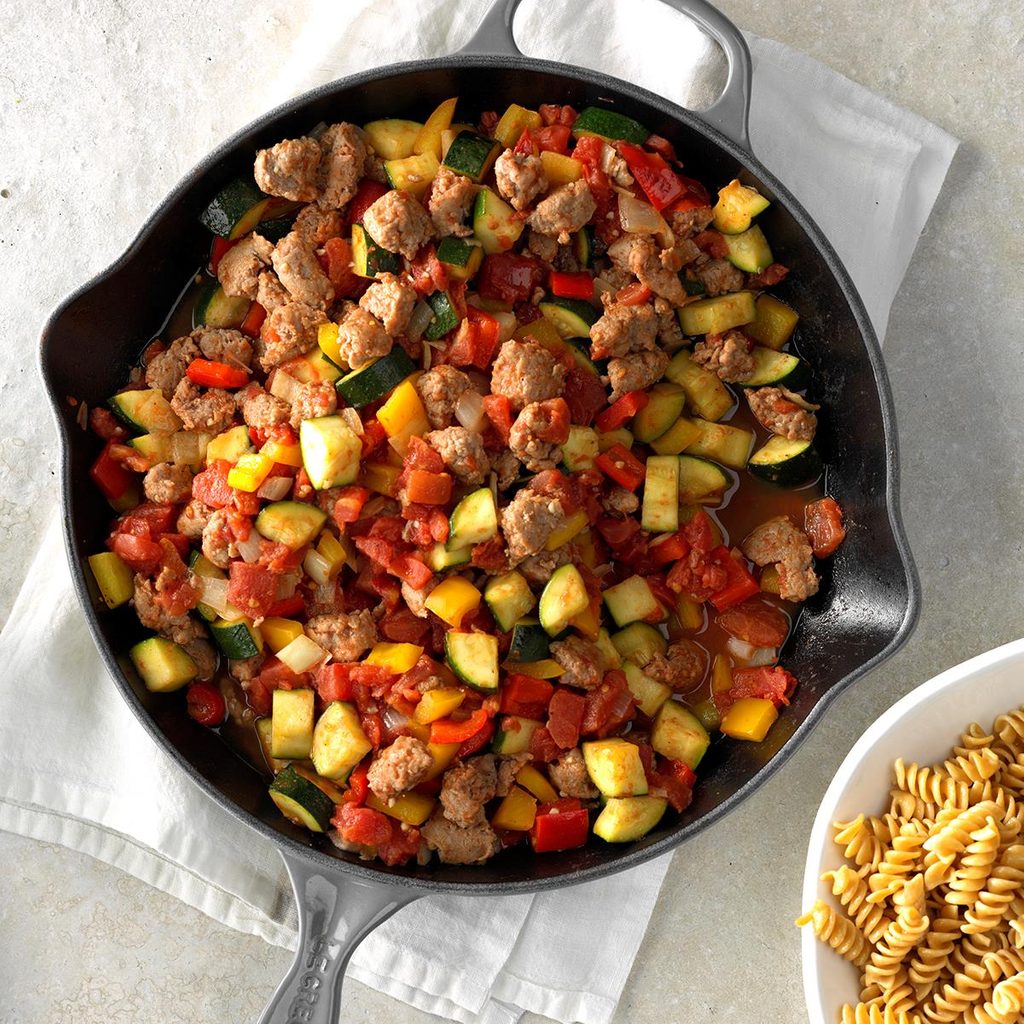
Italian Sausage Veggie SkilletWe love Italian sausage sandwiches, but because the bread isn't diet-friendly for me, I created this recipe to satisfy my craving. If you like some heat, use hot peppers in place of the sweet peppers. —Tina Howells, Salem, Ohio
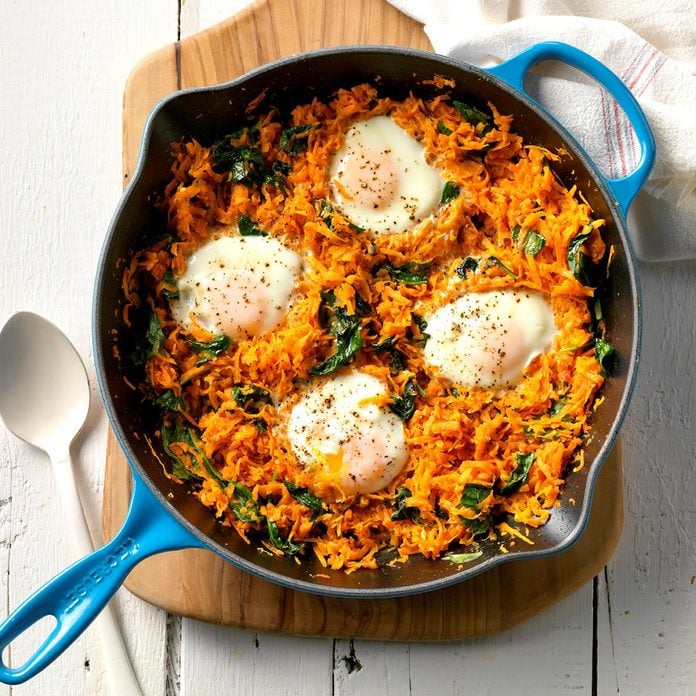
Sweet Potato and Egg SkilletI try to incorporate nutritious sweet potatoes in meals as often as possible, especially with breakfast. I came up with this recipe to feed my family a healthy, hearty breakfast—and it worked! —Jeanne Larson, Rancho Santa Margarita, California
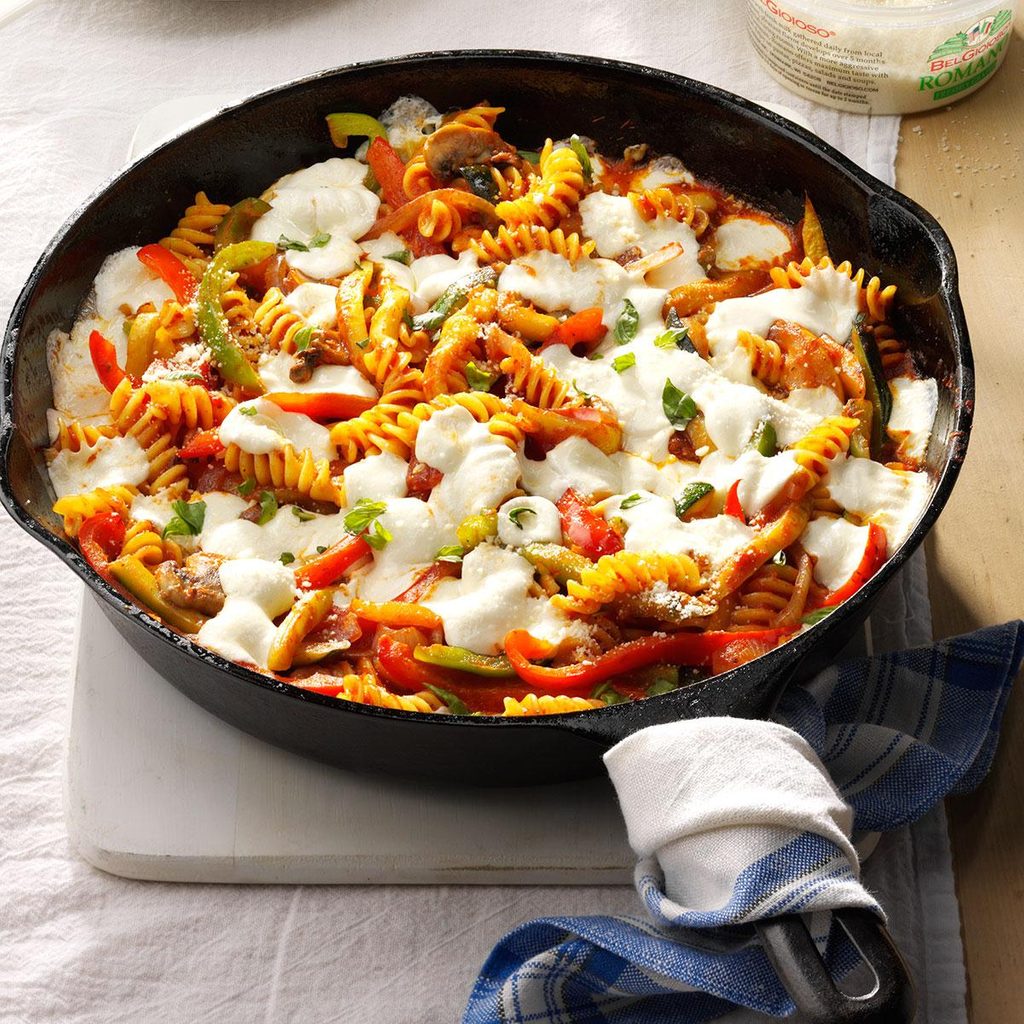
Spicy Veggie Pasta BakeMy dad cooked with cast-iron skillets, so when I do, I remember his amazing culinary skills. I keep the tradition going with my veggie pasta. —Sonya Goergen, Moorhead, Minnesota
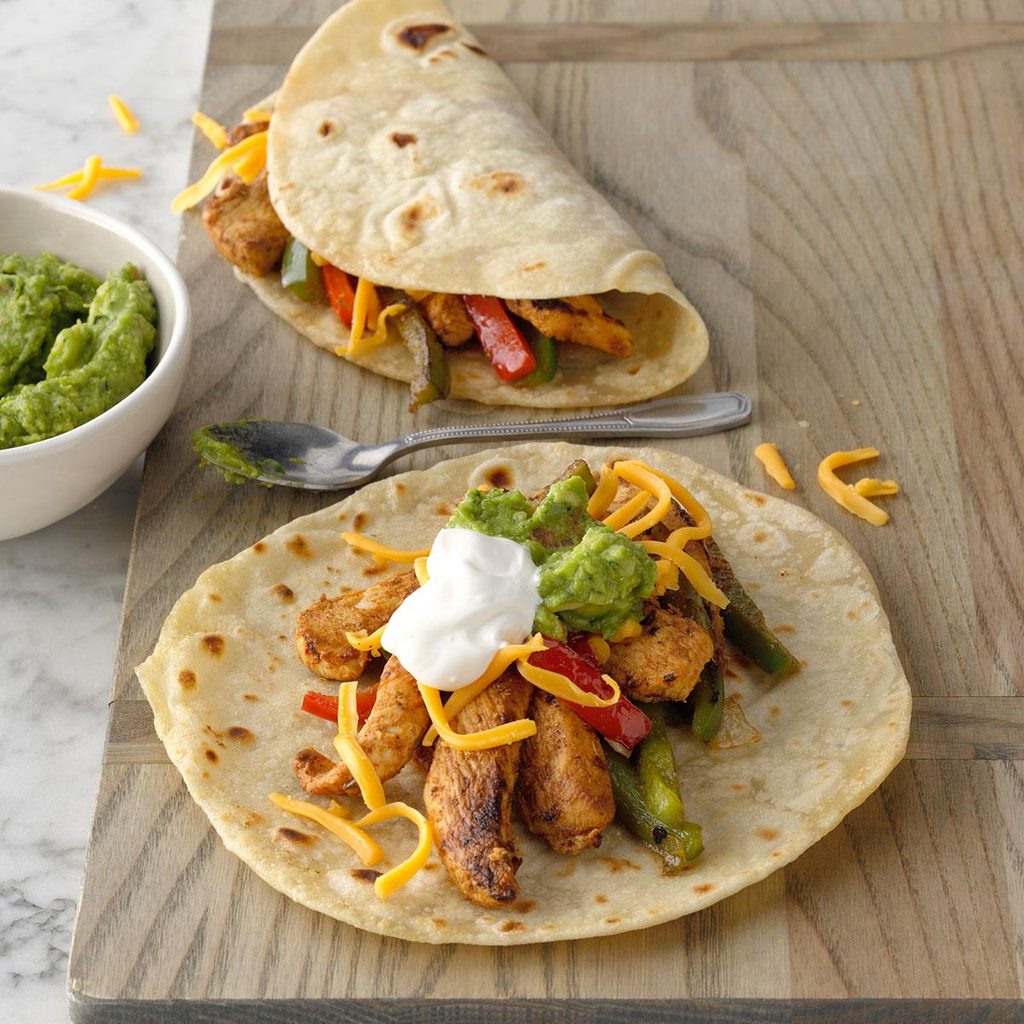
Flavorful Chicken FajitasThis chicken fajitas recipe is definitely on my weeknight dinner rotation. The marinated chicken in these popular wraps is mouthwatering. The fajitas go together in a snap and always get raves! —Julie Sterchi, Campbellsville, Kentucky
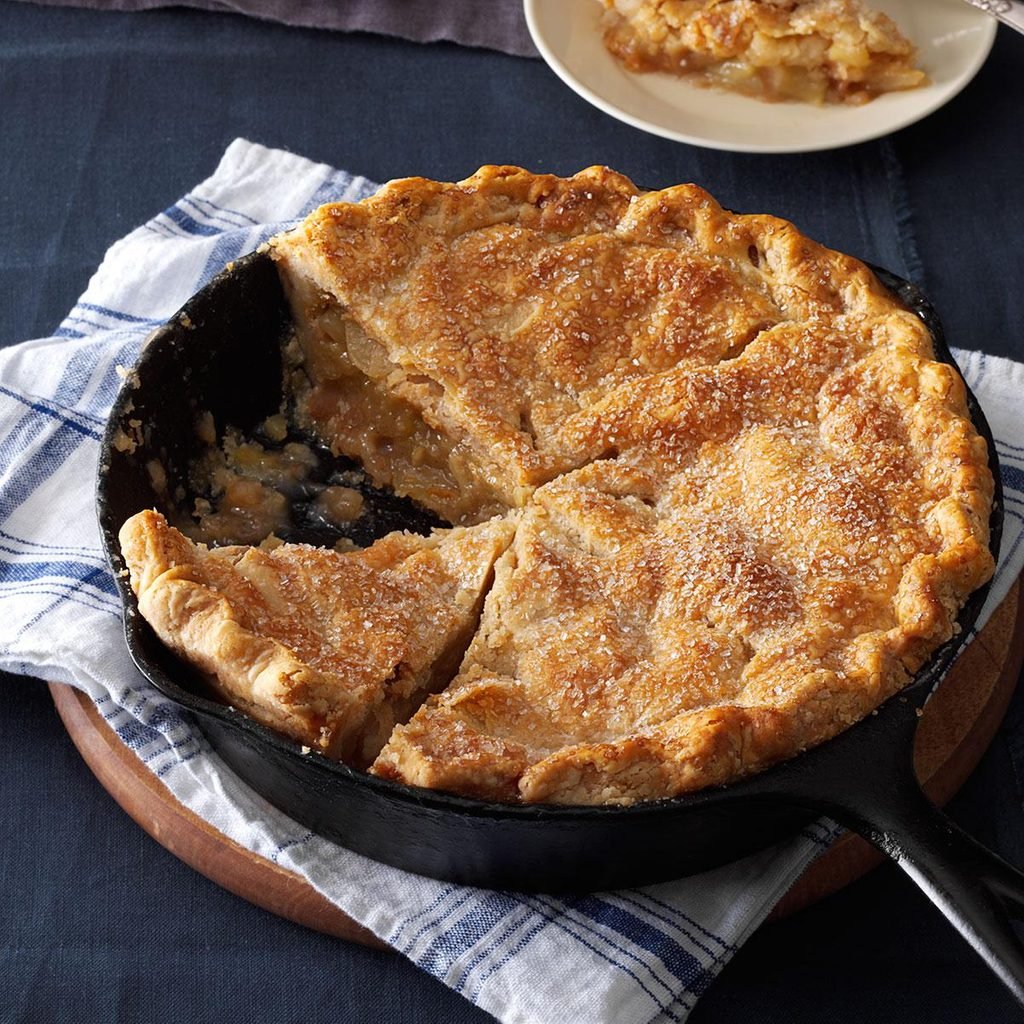
Cinnamon-Sugar Apple PieCinnamon apple pie baked in a
cast iron skillet is a real stunner. This beauty, with its flaky, tender crust, also works in a 9-inch deep-dish pie plate. —Renee Schettler Rossi, New York, New York
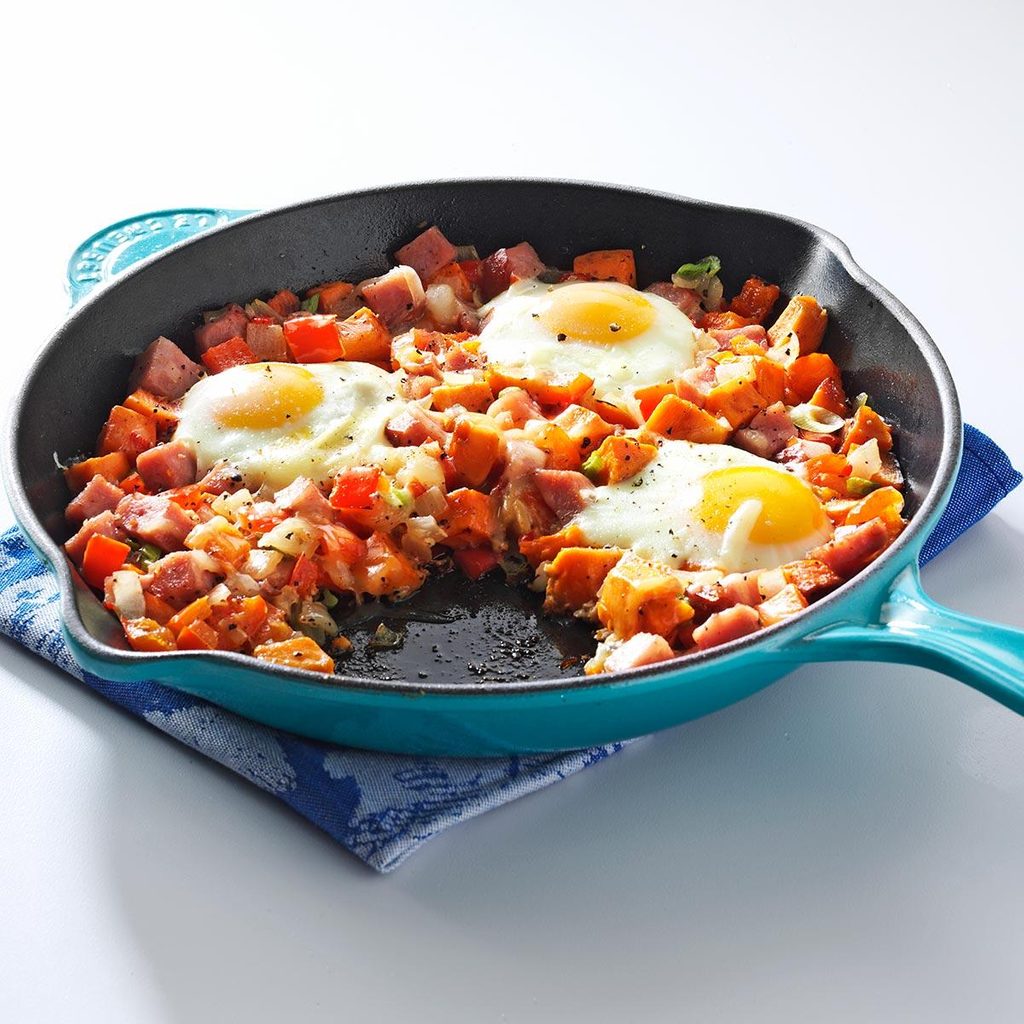
Sweet Potato and Ham HashTender sweet potatoes match up with ham, eggs and zippy seasonings for an impressive breakfast. Or serve it with salad and have an easy breakfast-for-dinner meal. —Judy Armstrong, Prairieville, Louisiana
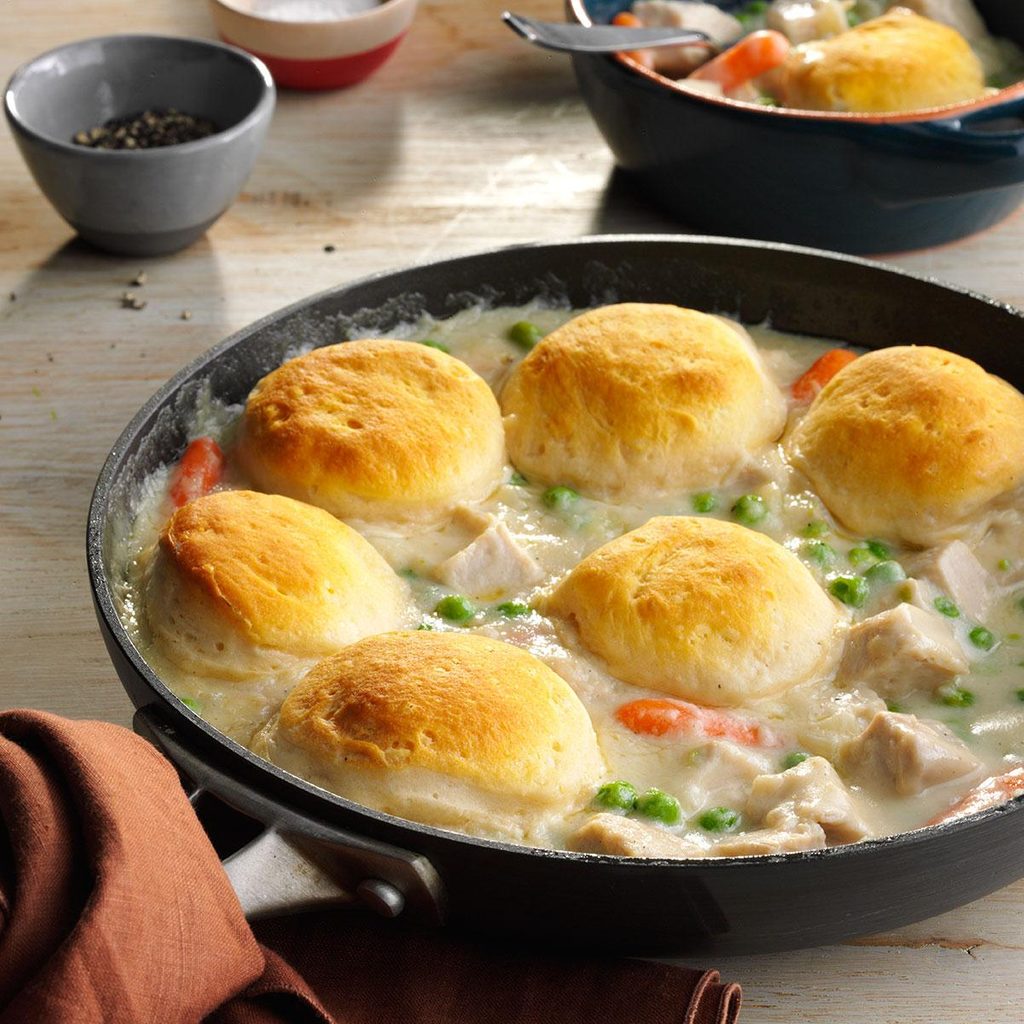
Turkey Biscuit StewThis chunky stew makes a hearty supper, especially in the fall and winter. It'salso a great way to use extra turkey during the holidays. —Lori Schlecht, Wimbledon, North Dakota
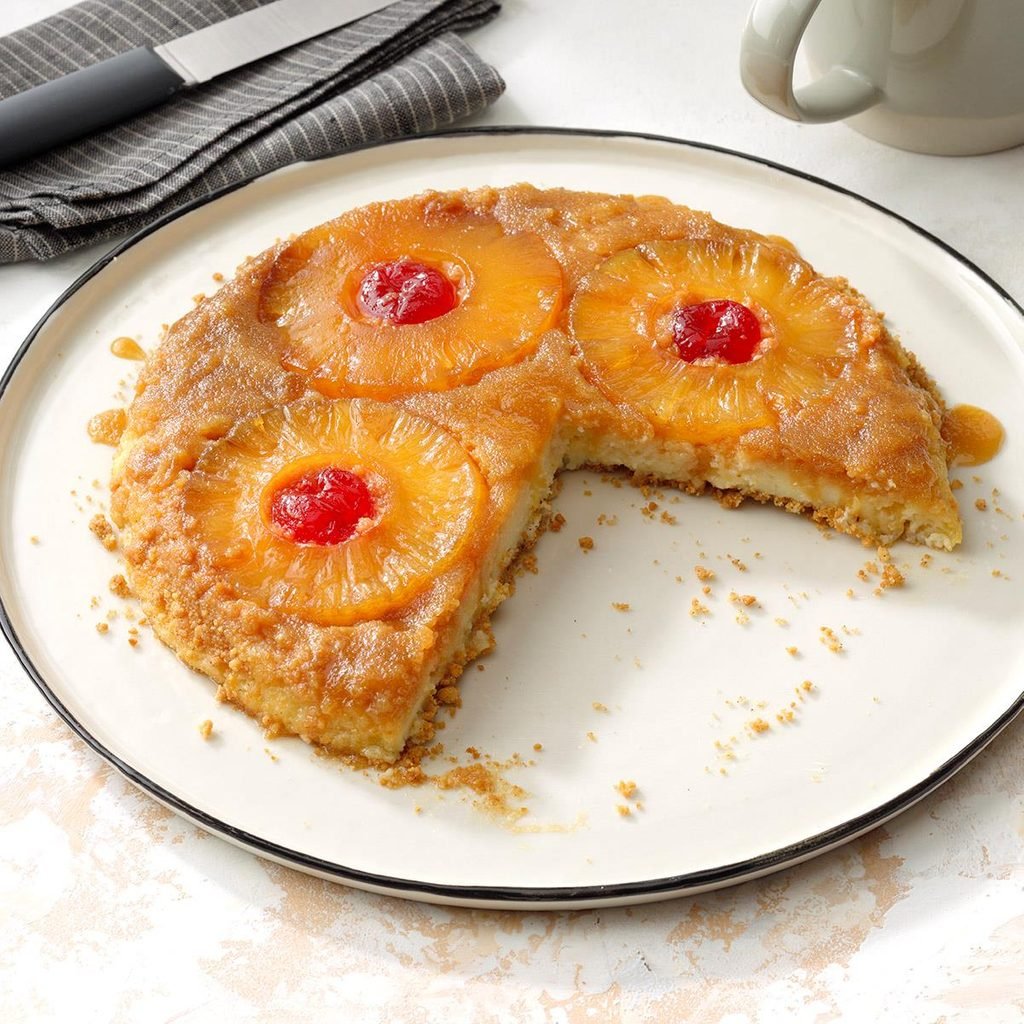
Pineapple Upside-Down CheesecakeMy mom often made
pineapple upside down cake, but I prefer something creamier. This recipe looks just like her cake, but gets even tastier as pineapple upside down cheesecake. —Marilyn McGinnis, Citrus Heights, California
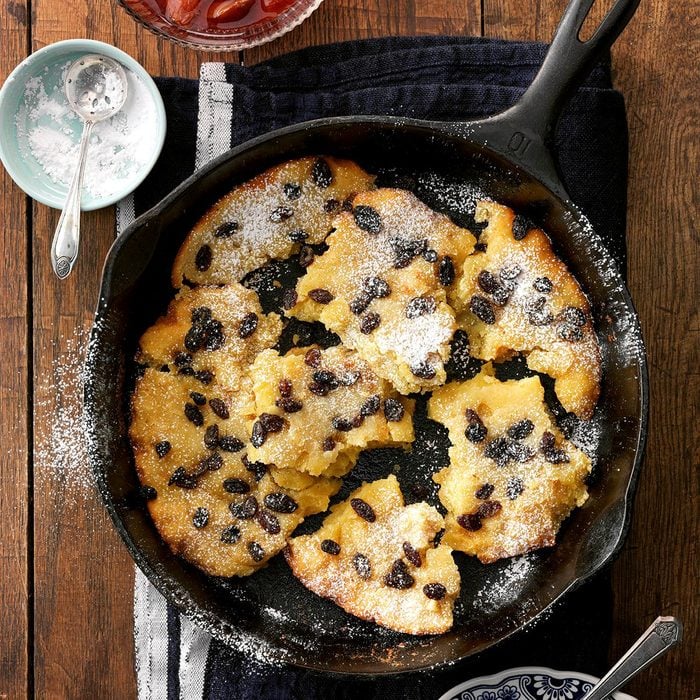
KaiserschmarrenThe story goes that when Austrian Kaiser Franz Josef's chef noticed that he always broke his pancake into small pieces before eating it, he began serving it that way. —Erika and Peter Durlacher, Whistler, British Columbia
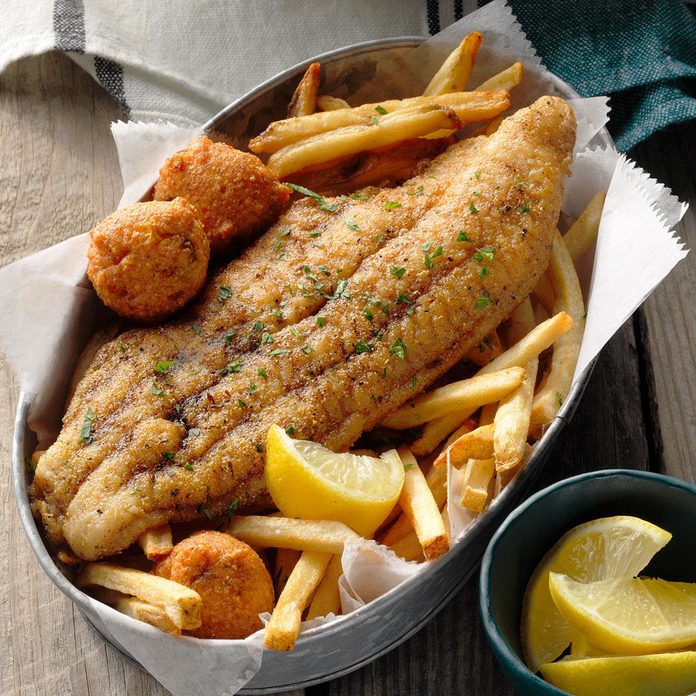
Skillet-Grilled CatfishThe Cajun flavor is great in this skillet-grilled catfish recipe. You can use this recipe with any thick fish fillet, but I suggest catfish or haddock. —Traci Wynne, Denver, Pennsylvania
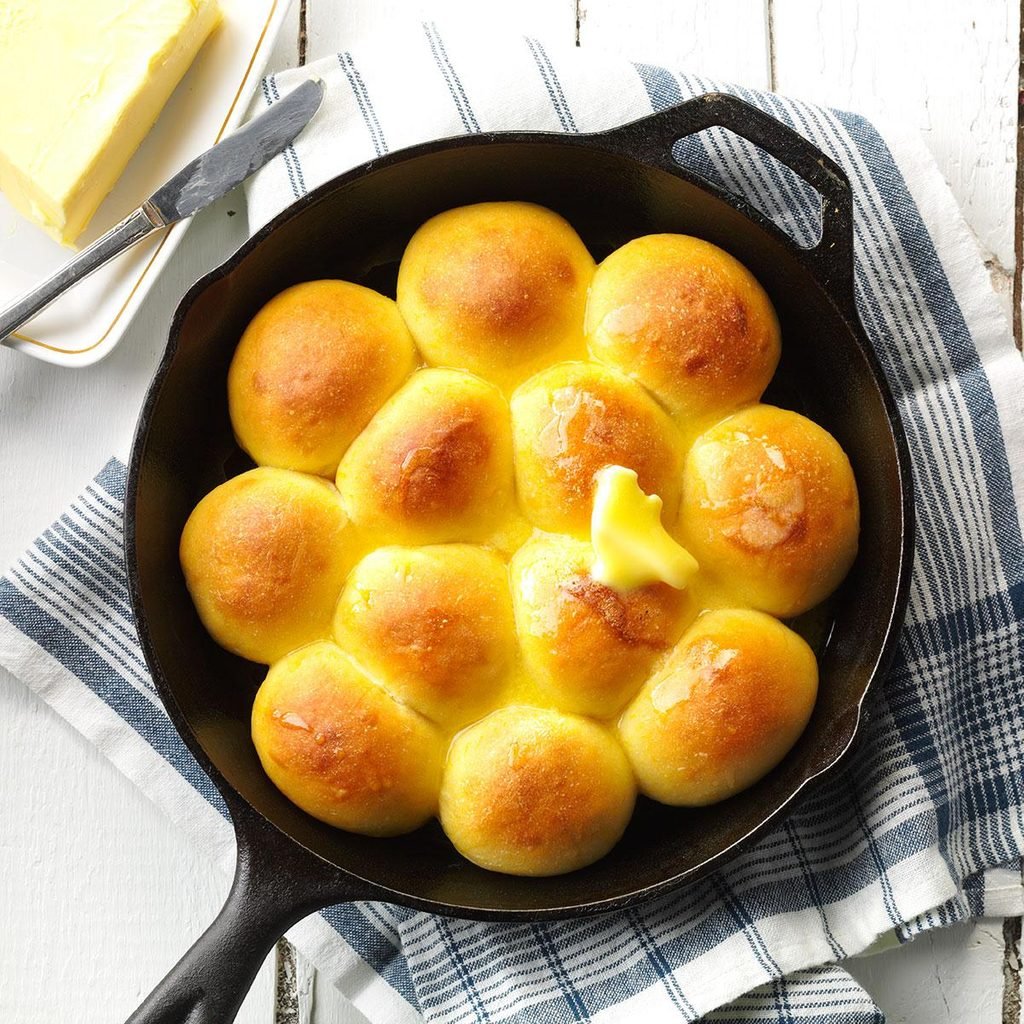
Butternut Squash RollsWith their cheery yellow color and delicious aroma, these appealing buns will brighten your buffet table. Plus, I've found this recipe is a wonderful way to use up squash from the garden. —Bernice Morris, Marshfield, Missouri
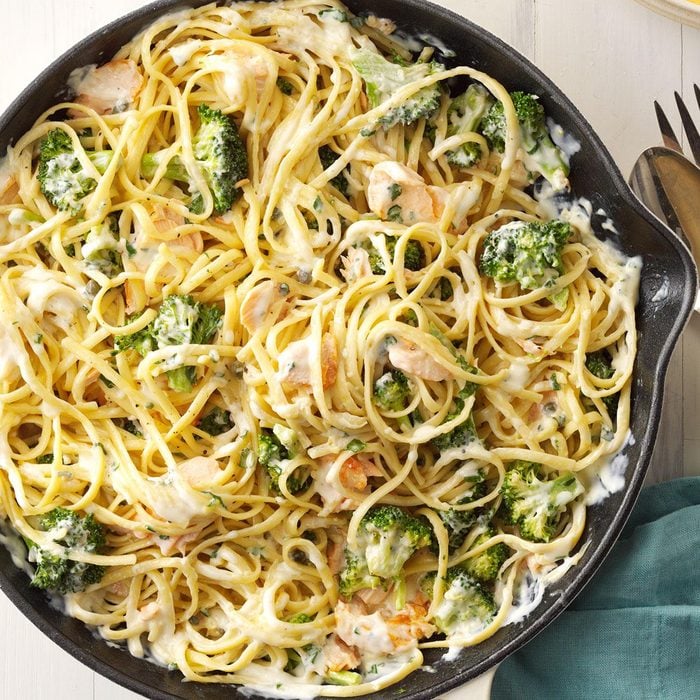
Creamy Salmon LinguineExtra Pesto Grilled Salmon gives this creamy pasta toss a luxurious taste and texture. We love it as is, but you could easily sub in any veggies you have on hand for the broccoli. —Jacob Kitzman, Seattle, Washington
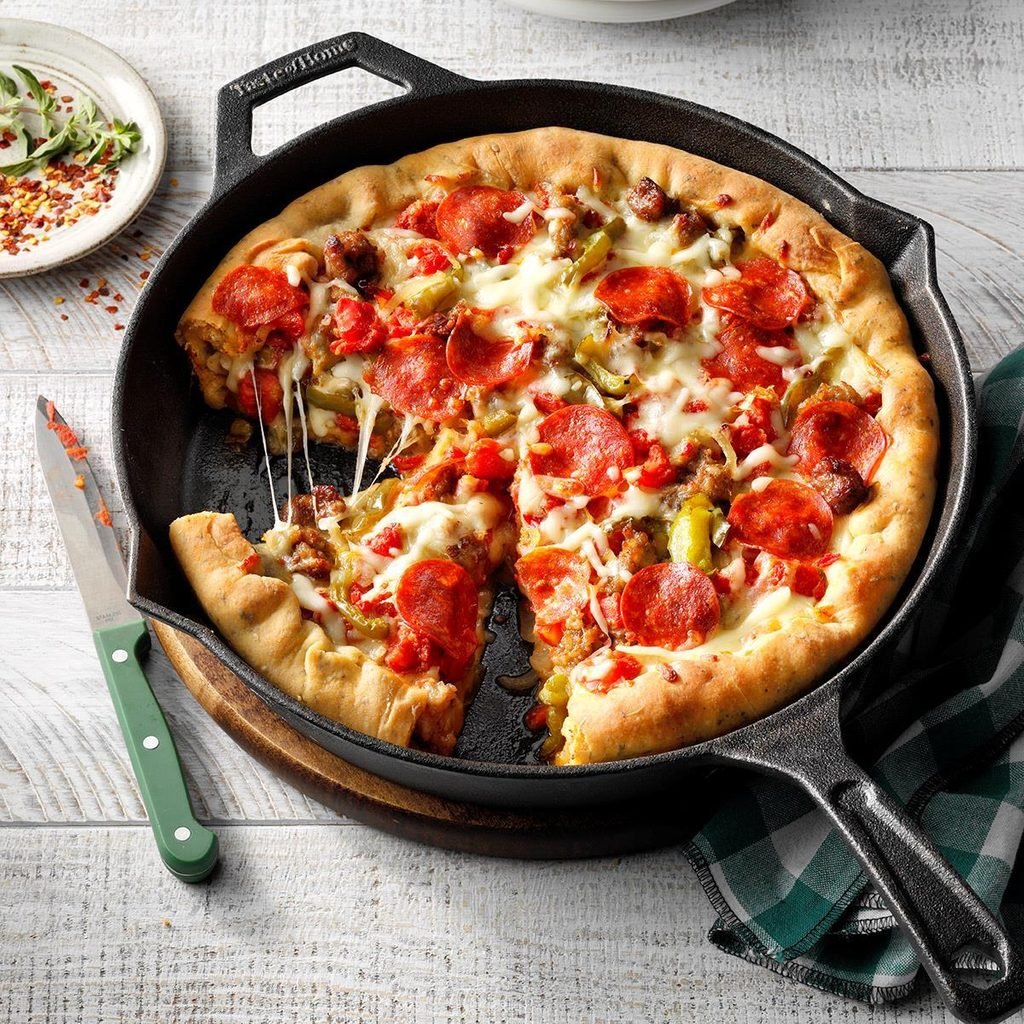
Deep-Dish Sausage PizzaMy grandma made the tastiest snacks for us when we stayed the night at her farm. Her wonderful pizza, hot from the oven, was covered with cheese and had fragrant herbs in the crust. Now this pizza is frequently a meal for my husband, our family and me. —Michele Madden, Washington Court House, Ohio
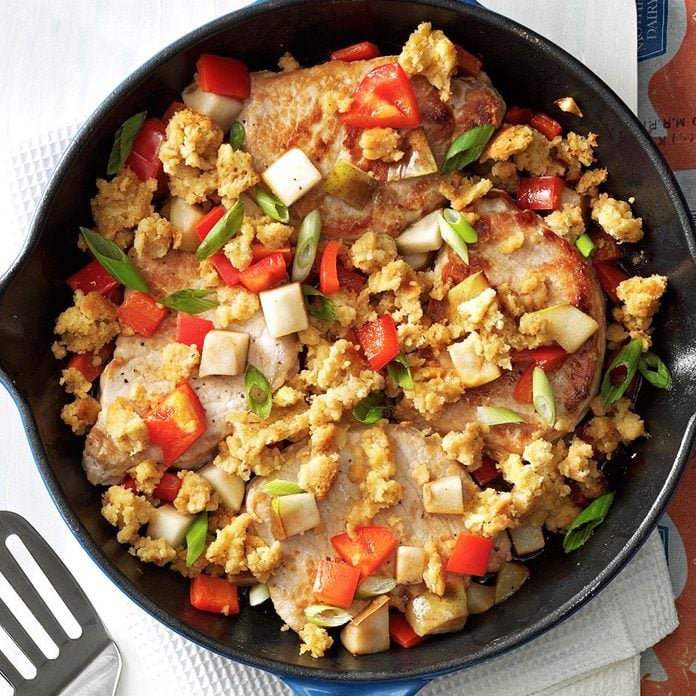
Deconstructed Pear Pork ChopsYou’ll be tempted to eat this main dish right out of the pan but try to resist. These chops are sure to wow guests at the dinner table. —Taste of Home Test Kitchen, Milwaukee, Wisconsin
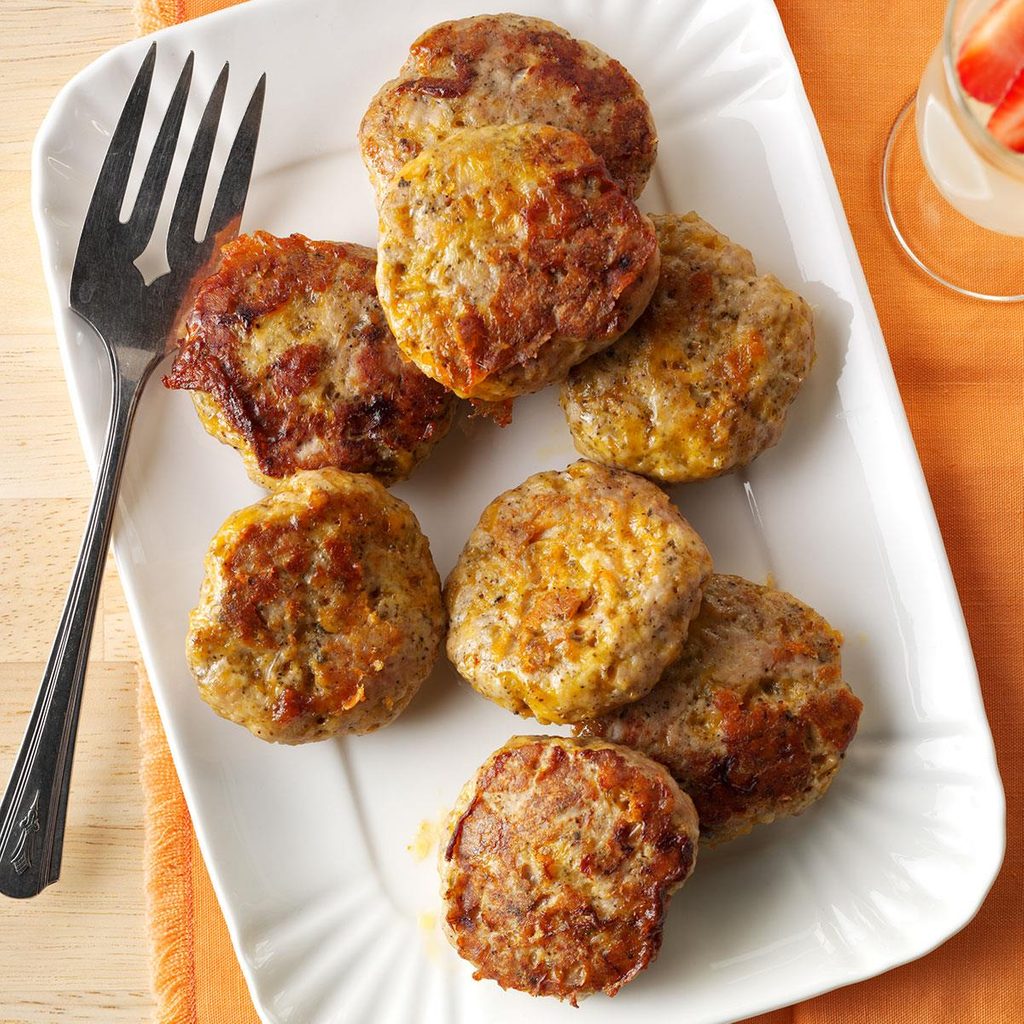
Homemade Sage Sausage PattiesOregano, garlic and sage add savory flavor to these easy ground pork patties. I've had this Pennsylvania Dutch recipe for years, and it always brings compliments. —Diane Hixon, Niceville, Florida
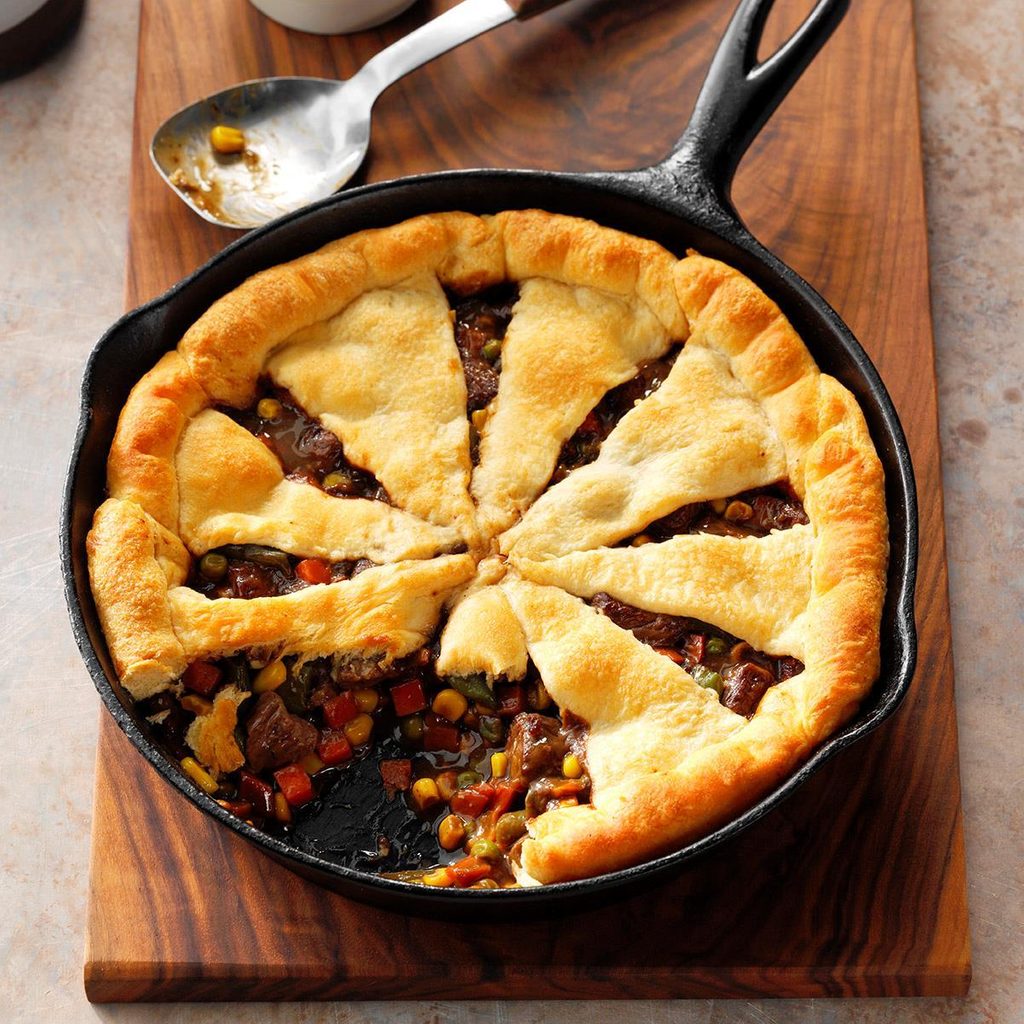
Pinwheel Steak PotpieOn cool nights, nothing hits the spot like a steaming homemade potpie—especially one you can get on the table fast. The pinwheel crust on top has become my signature. —Kristin Shaw, Castleton, New York
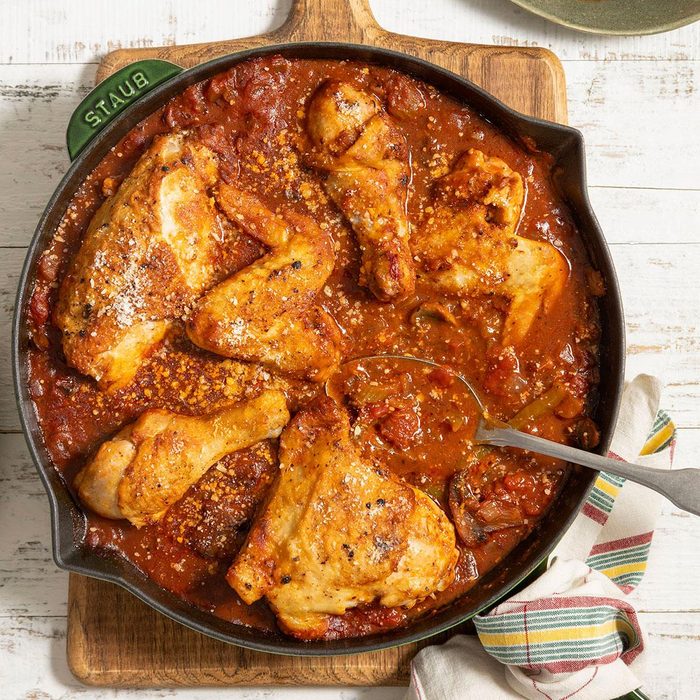
Chicken CacciatoreThis easy chicken cacciatore recipe makes a good Sunday dinner, since it's so simple to prepare. This recipe is the best because it's loaded with lots of vegetables and is a family favorite. —Barbara Roberts, Courtenay, British Columbia
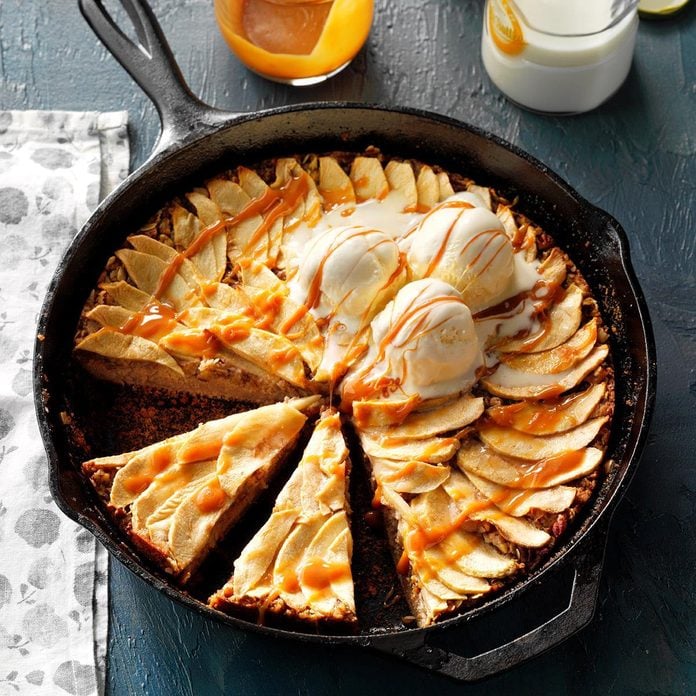
Caramel-Apple Skillet BuckleMy grandma used to bake a version of this for me when I was a little girl. She would make it using fresh apples from her tree in the backyard. I've adapted her recipe because I love the combination of apples, pecans and caramel. —Emily Hobbs, Springfield, Missouri
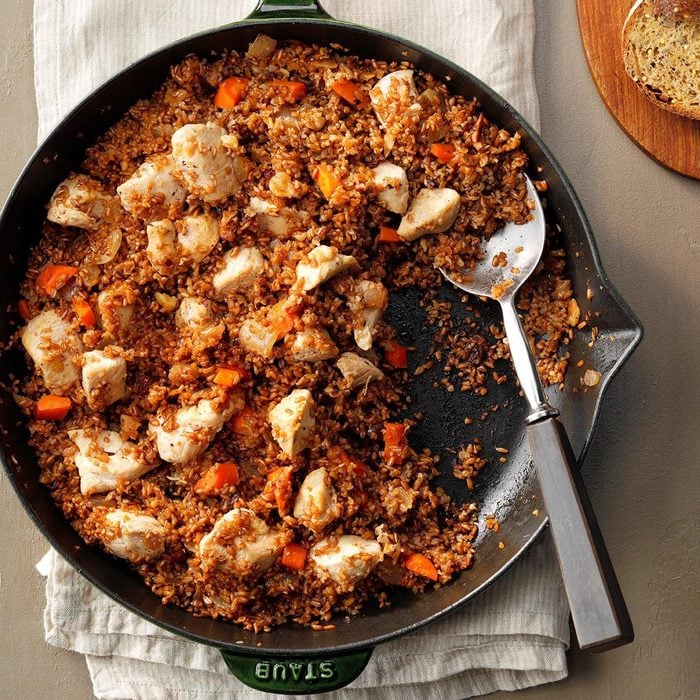
Chicken Bulgur SkilletThis recipe was passed on to me by a friend. I've altered it slightly to suit our tastes. We like it with a fresh green salad. —Leann Hilmer, Sylvan Grove, Kansas
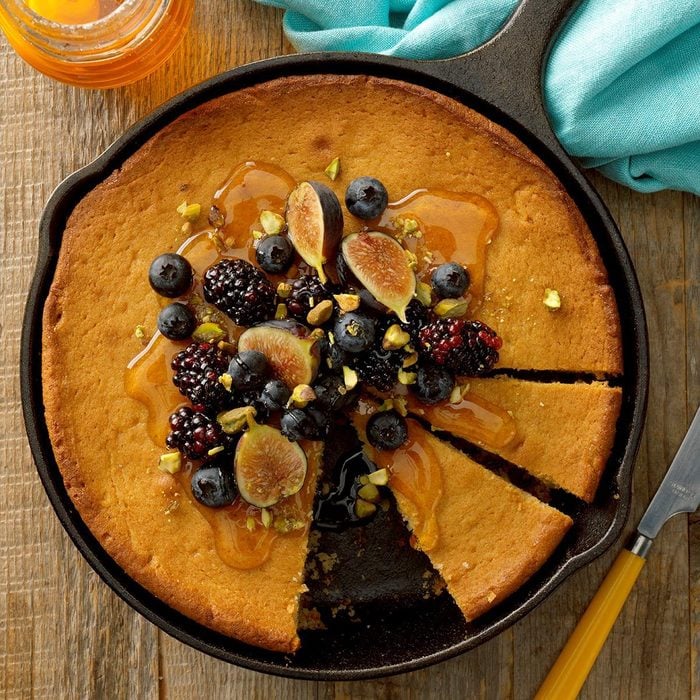
Rustic Honey CakeWhen my boys were young, they couldn’t drink milk but they could have yogurt. This was a cake they could eat. And it’s one dessert that doesn’t taste overly sweet, which is always a nice change of pace. —Linda Leuer, Hamel, Minnesota
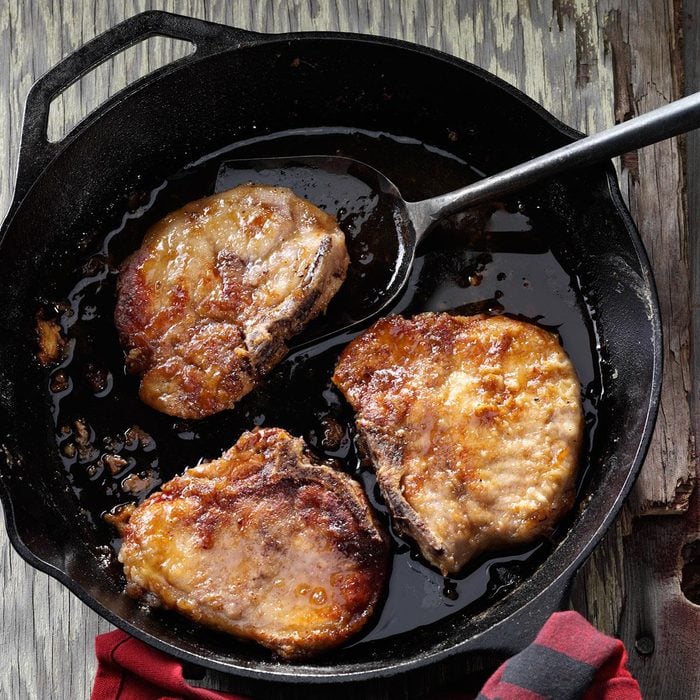
Maple-Glazed Pork ChopsEveryone cleaned their plates when my mother made these succulent, tangy-sweet pork chops when I was growing up. Now I get the same results when I serve them to my family alongside applesauce and au gratin potatoes. —Cheryl Miller, Fort Collins, Colorado
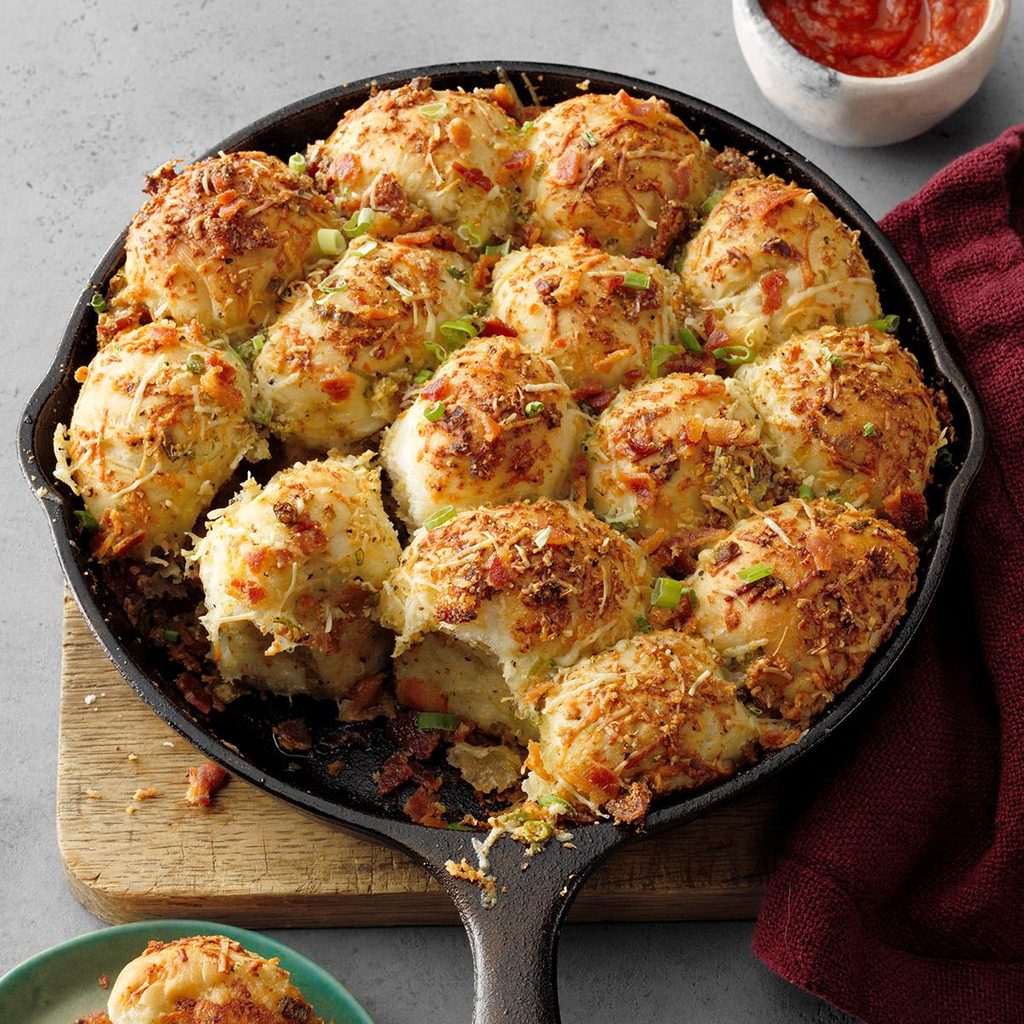
Parmesan-Bacon Bubble BreadWhen I needed to put some leftover bread dough to good use, I started with a recipe I often use for bubble bread and substituted savory ingredients for the sweet. —Lori McLain, Denton, Texas
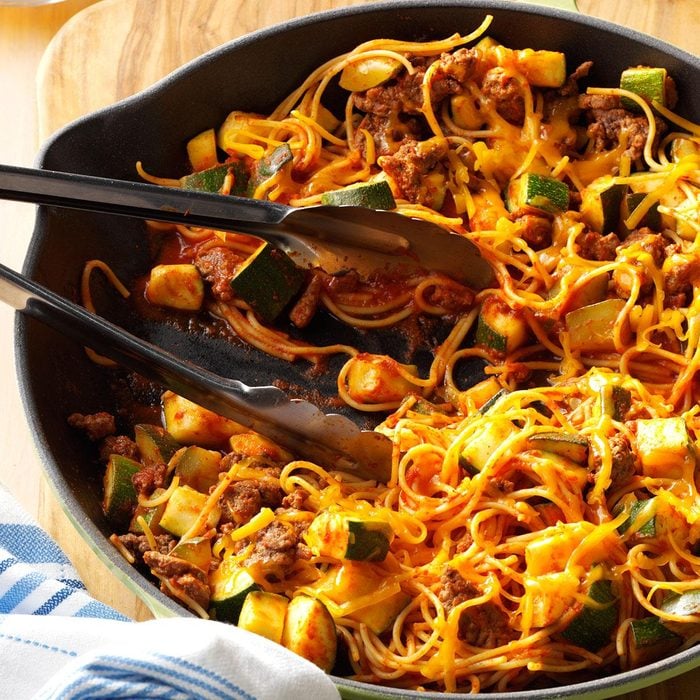
Southwestern SpaghettiChili powder and cumin give a mild Mexican flavor to this colorful one-skillet supper. With chunks of fresh zucchini, it's a nice change of pace from typical spaghetti dishes. —Beth Coffee, Hartford City, Indiana
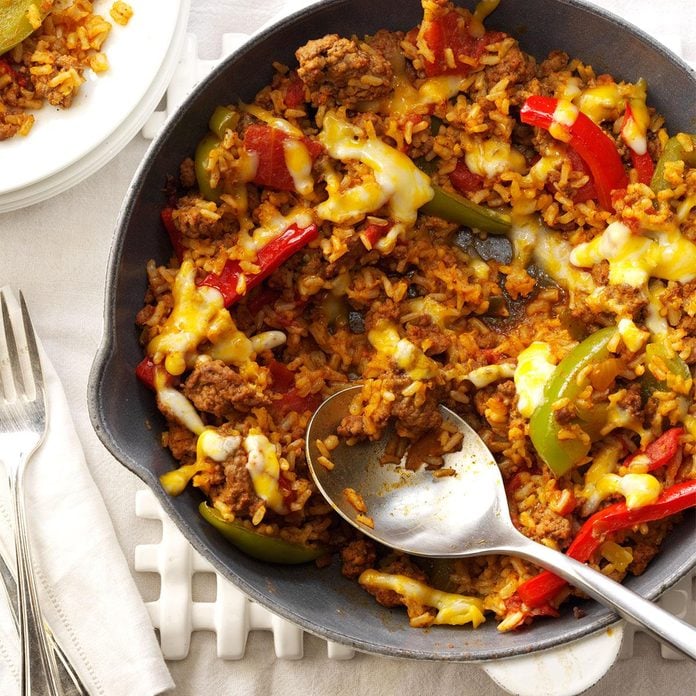
Beef & Pepper SkilletI love Mexican-inspired food. I also enjoy experimenting with recipes like this one and making them healthier—and downright good! —Jenny Dubinsky, Inwood, West Virginia
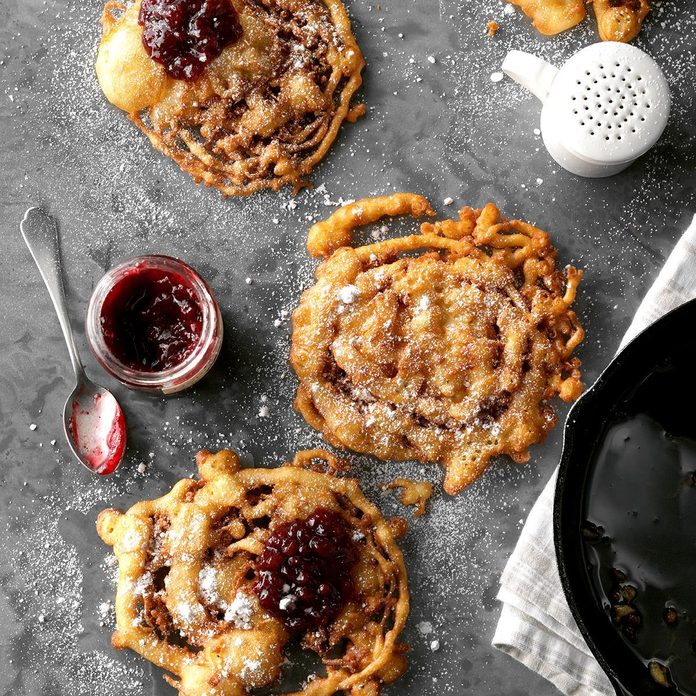
Traditional Funnel CakesWhen I was in high school, I made these funnel cakes every Sunday after church for my family. They are crisp and tender, just like the kind we always ate at the state fair. —Susan Tingley, Portland, Oregon
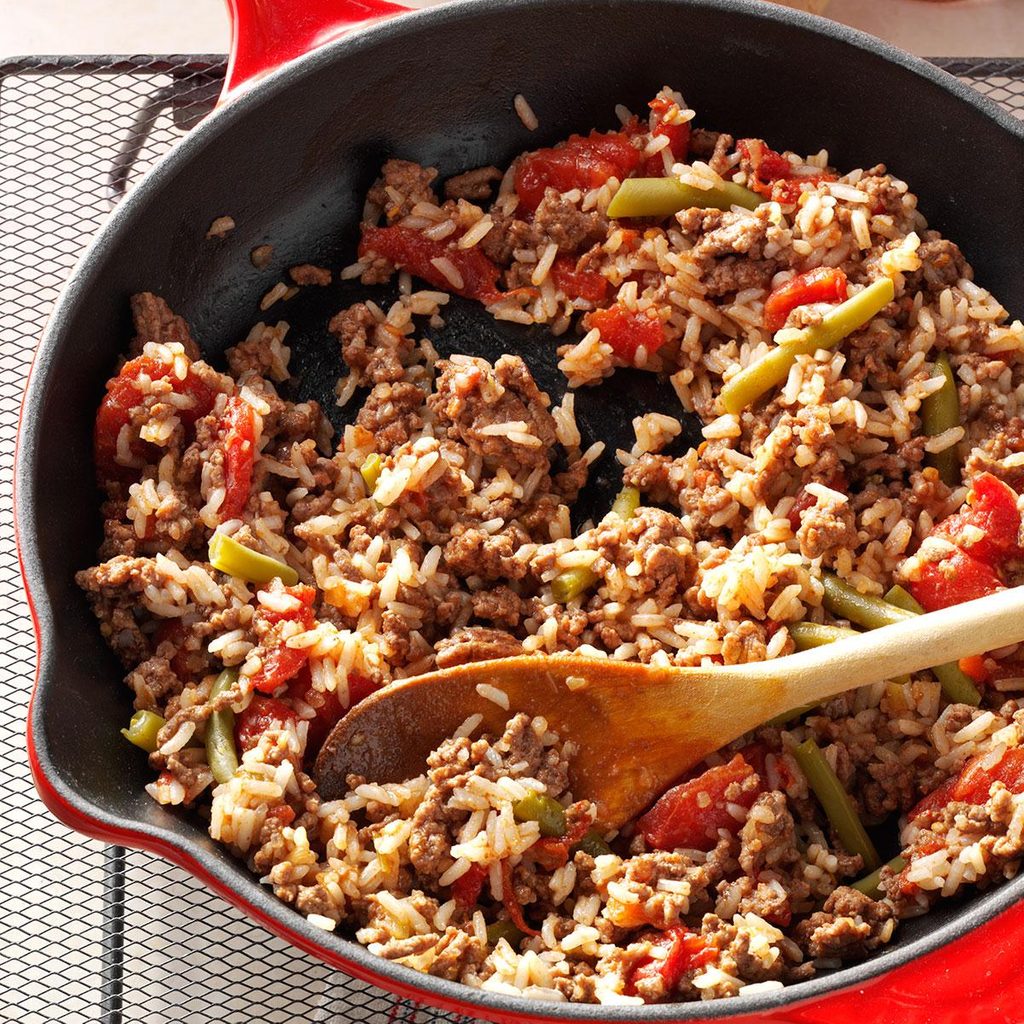
Spanish Rice DinnerSpanish Rice Dinner has been a family favorite since I discovered it in our church cookbook. I always have the ingredients on hand, and it reheats very well in the microwave. —Jeri Dobrowski, Beach, North Dakota.
Apples 'n' Cream PancakeThis cozy recipe is delicious for breakfast or brunch. I usually make a double batch because everyone wants more! With our own orchard, we have plenty of Delicious and Winesap apples—they make this a true midwestern meal. —Ruth Schafer, Defiance, Ohio
Chili Beef Noodle SkilletA friend gave me this recipe. My husband likes the hearty blend of beef, onion and tomatoes. I like it because I can get it to the table so quickly. —Deborah Elliott, Ridge Spring, South Carolina
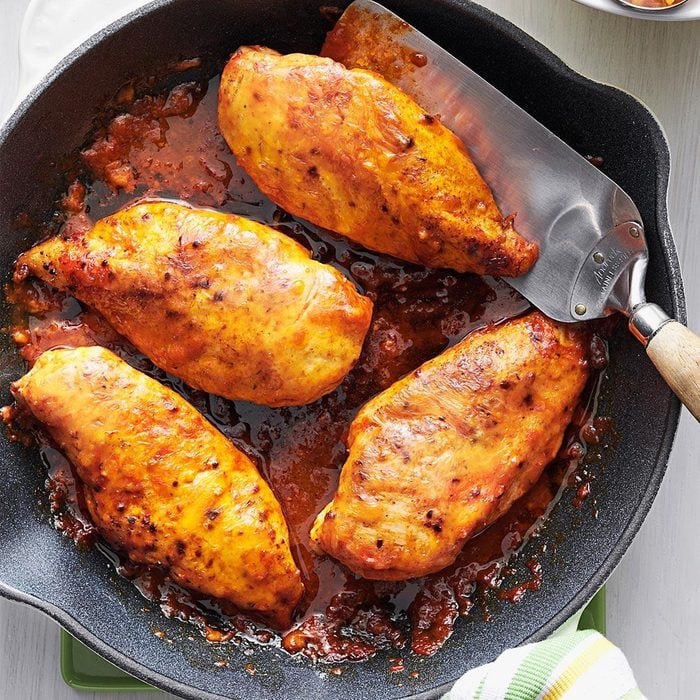
Enchilada ChickenWe enjoy southwestern flavors and this six-ingredient recipe never gets boring. The chicken sizzles in the skillet before getting baked and comes out tender and juicy every time. —Nancy Sousley, Lafayette, Indiana
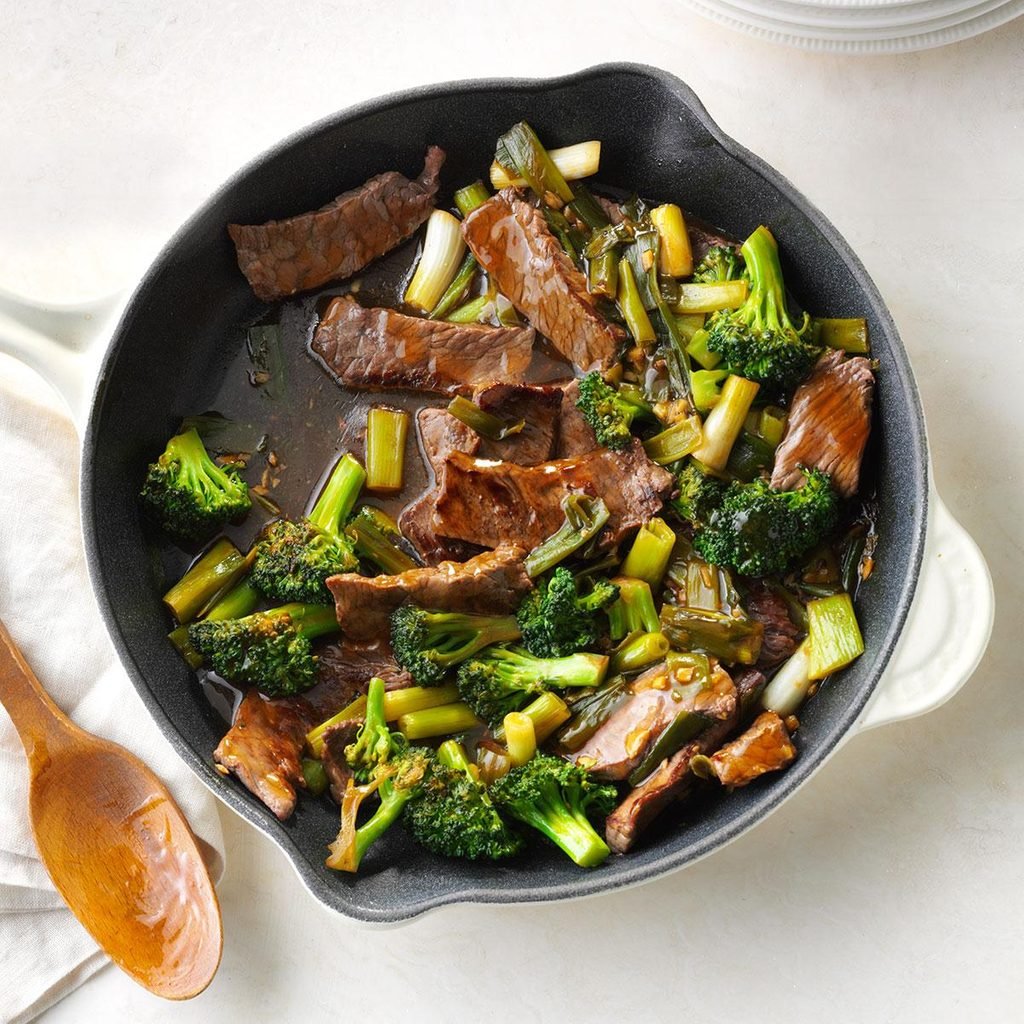
Saucy Beef with BroccoliWhen I’m looking for a fast entree, I turn to this beef and broccoli stir-fry. It features a tantalizing sauce made with garlic and ginger. —Rosa Evans, Odessa, Missouri
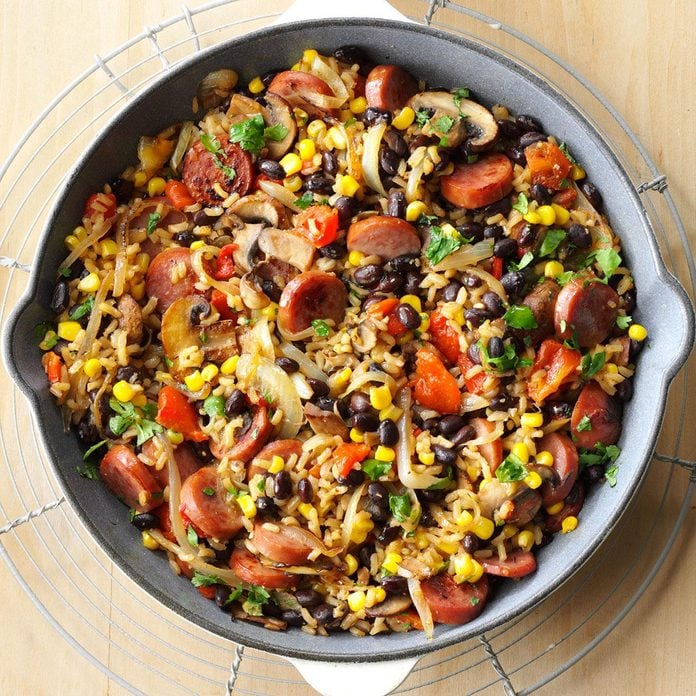
Confetti Kielbasa SkilletHere's one of my husband's favorite dishes. When it's in season, substitute fresh corn for frozen. Add a dash of cayenne pepper if you like a little heat. —Sheila Gomez, Shawnee, Kansas
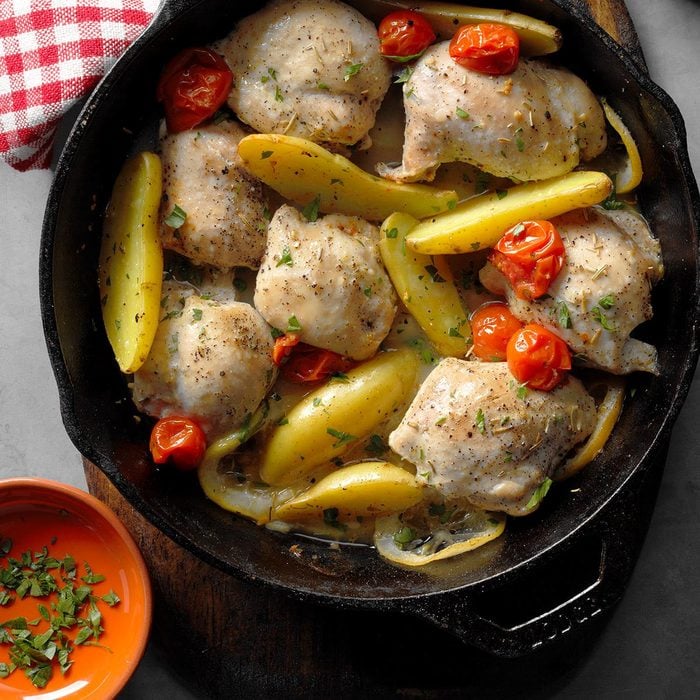
Skillet-Roasted Lemon Chicken with PotatoesThis is a meal I have my students make in our nutrition unit. It has a delicious lemon-herb flavor and is simple to make. —Mindy Rottmund, Lancaster, Pennsylvania
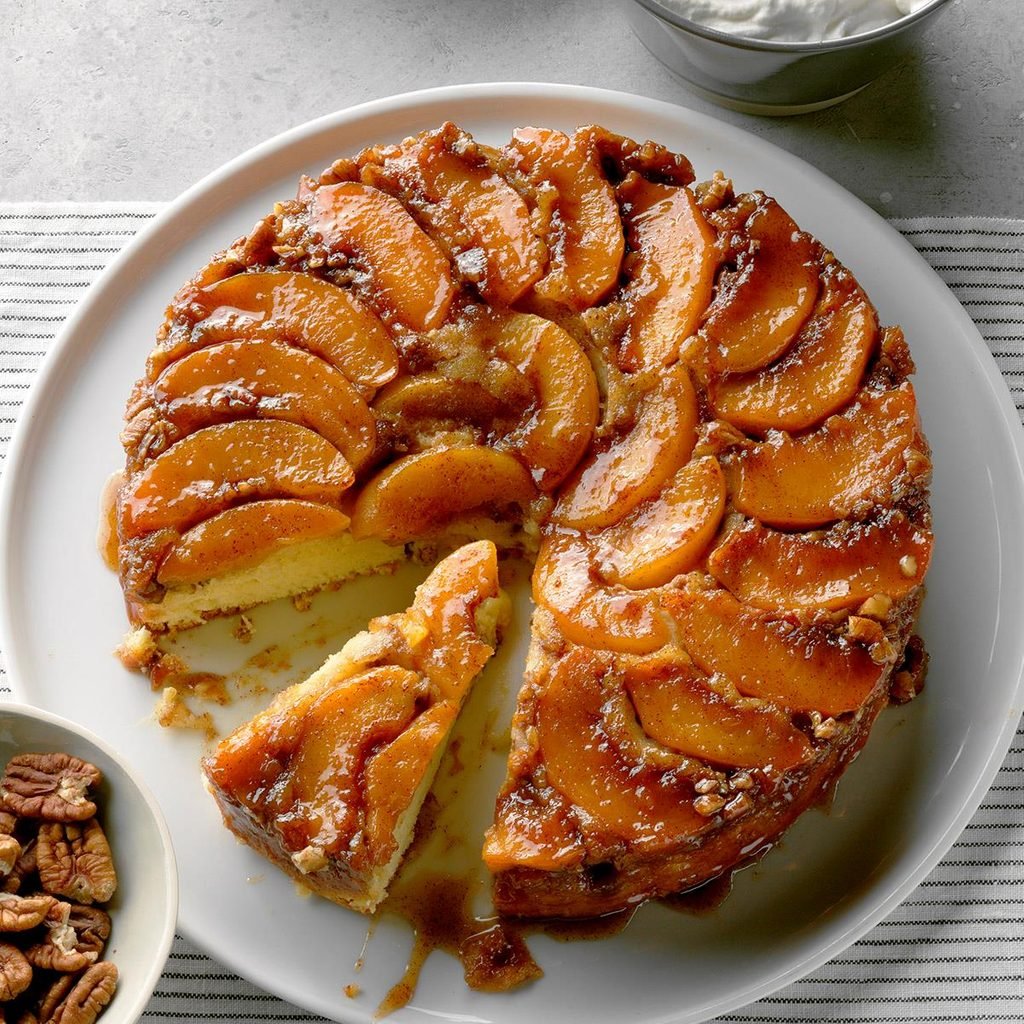
Peach Praline Upside-Down CakeThis cake is filled with fresh peaches, roasted Saigon cinnamon, roasted ground ginger and toasted pecans – and that makes it different. — Jeanette Nelson, Sophia, West Virginia
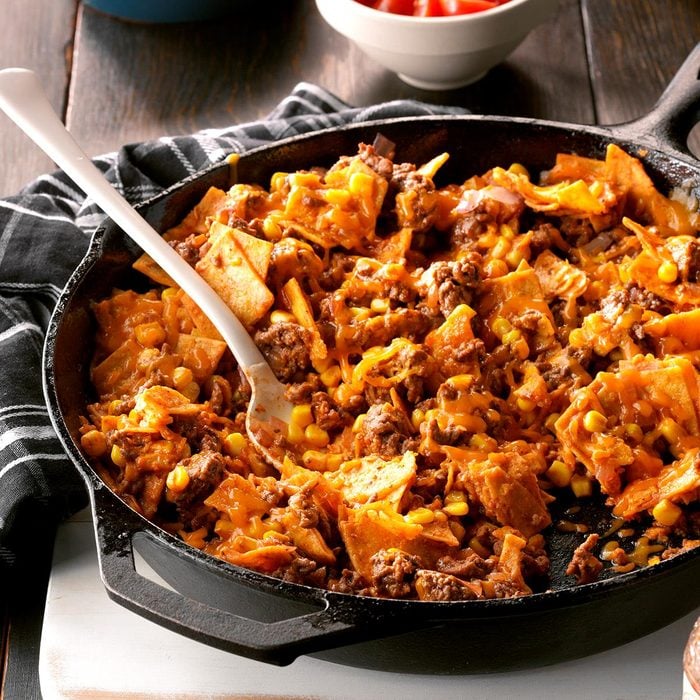
Easy Beef Taco SkilletBusy day? Save time and money with this stovetop supper the whole family will love. It calls for handy convenience products, so it can be on the table in minutes. —Kelly Roder, Fairfax, Virginia
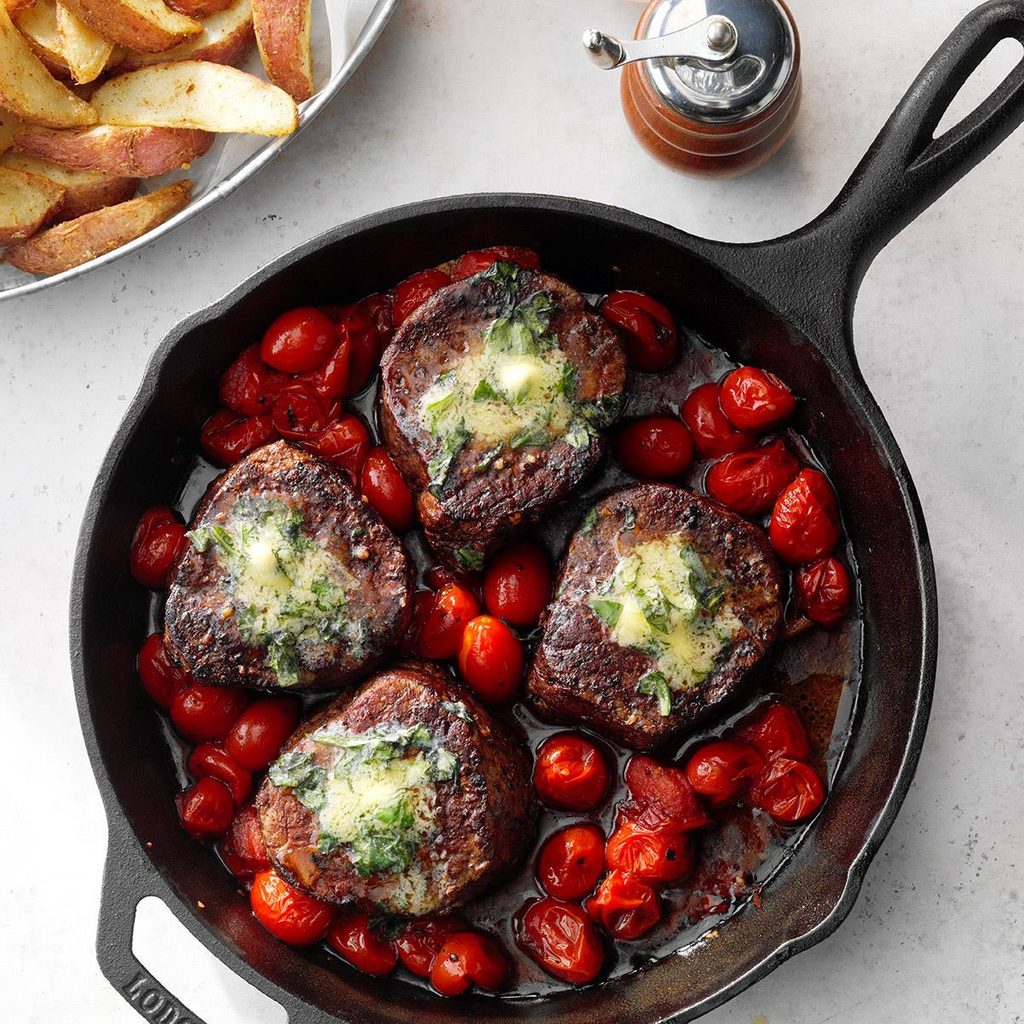
Basil-Butter Steaks with Roasted PotatoesA few ingredients and 30 minutes are all you’ll need for this incredibly satisfying meal. A simple basil butter gives the steaks a very special taste. —Taste of Home Test Kitchen
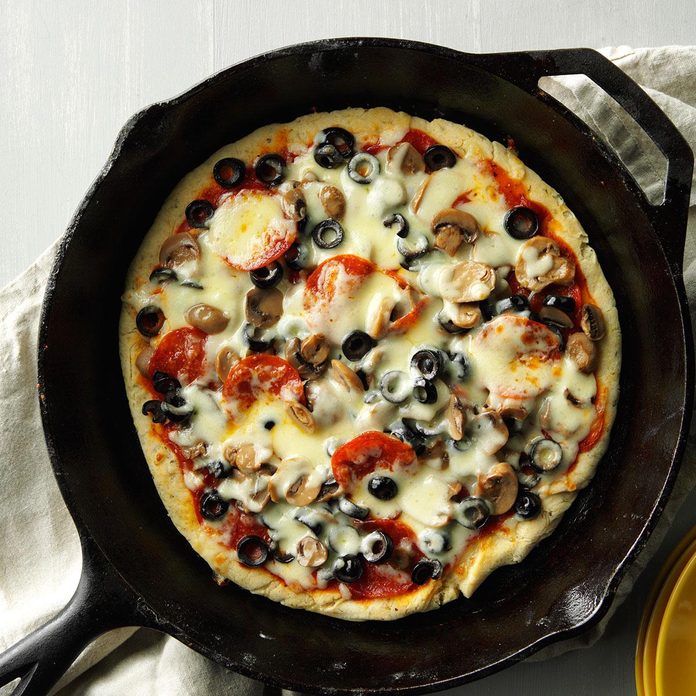
Cheese & Mushroom Skillet PizzaThis Italian skillet toss is an awesome way to use up extra spaghetti sauce at the end of the week. It fits right in on Friday pizza night. —Clare Butler, Little Elm, Texas
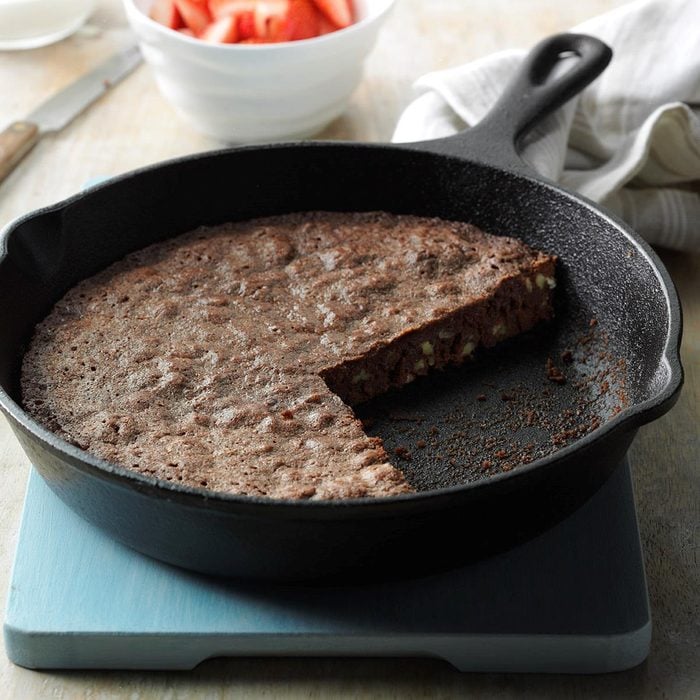
Fudge Brownie PieHere's a fun and festive way to serve brownies. Family and friends will love topping their pieces with whipped cream and strawberries. —Johnnie McLeod, Bastrop, Louisiana
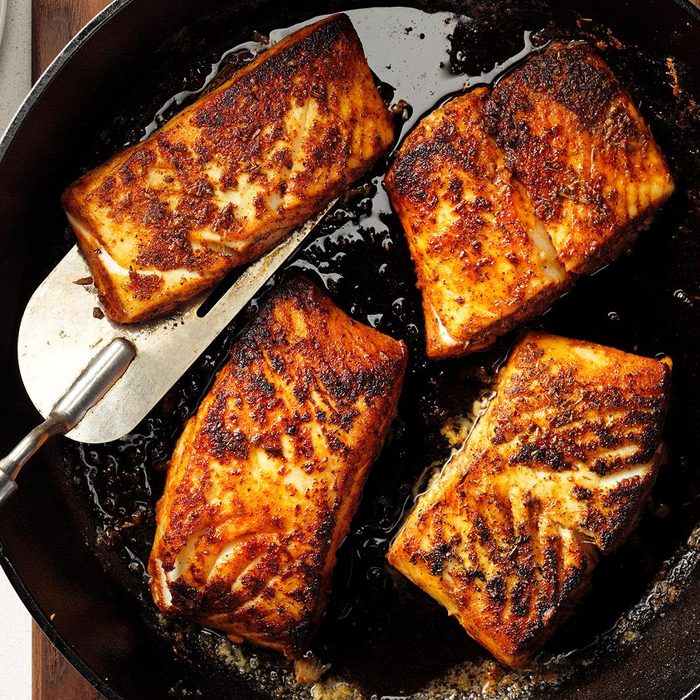
Blackened HalibutTry serving this spicy halibut recipe with garlic mashed potatoes, hot, crusty bread and a crisp salad to lure in your crew. After trying a few halibut recipes, this one is my family's favorite. —Brenda Williams, Santa Maria, California
Milk CakeThis is a simple recipe—and especially easy in a well-seasoned cast-iron skillet. The result is a deliciously light, airy cake. —Suzanne Coelman, Rabun Gap, Georgia
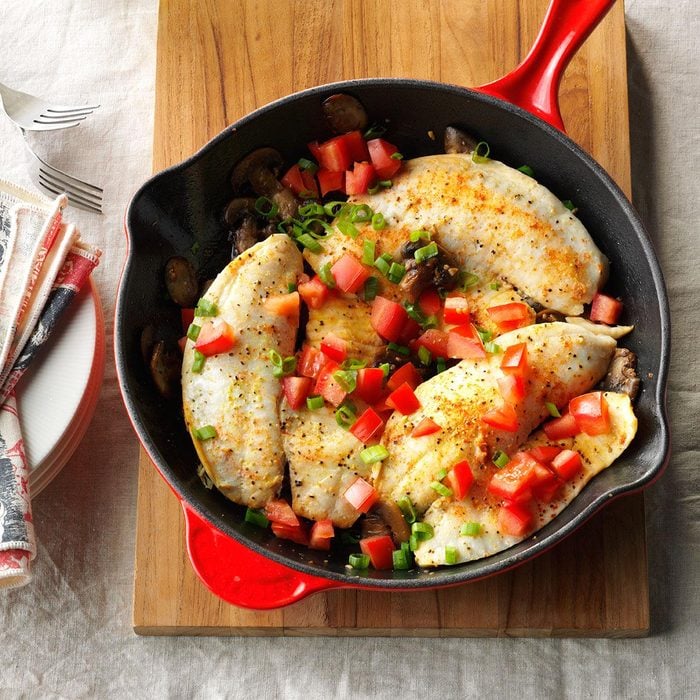
Lemon-Pepper Tilapia with MushroomsMy husband and I are trying to add more fish and healthy entrees to our diet and this one makes it easy. It comes together in less than 30 minutes, so it's perfect for hectic weeknights. —Donna McDonald, Lake Elsinore, California
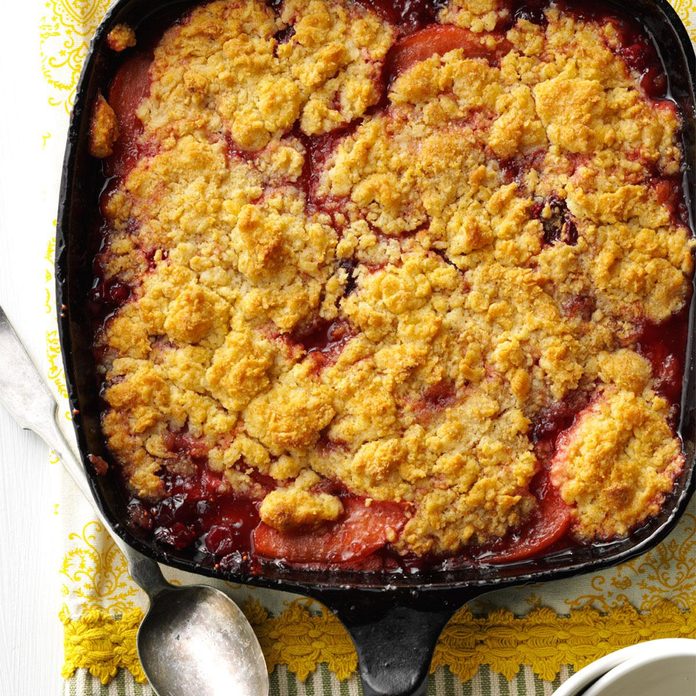
Cran-Apple CobblerMy cranberry-packed cobbler is the crowning glory of many of our late fall and winter meals. My family isn't big on pies, so this favorite is preferred at our Thanksgiving and Christmas celebrations. The aroma of cinnamon and fruit is irresistible. —Jo Ann Sheehan, Ruther Glen, Virginia
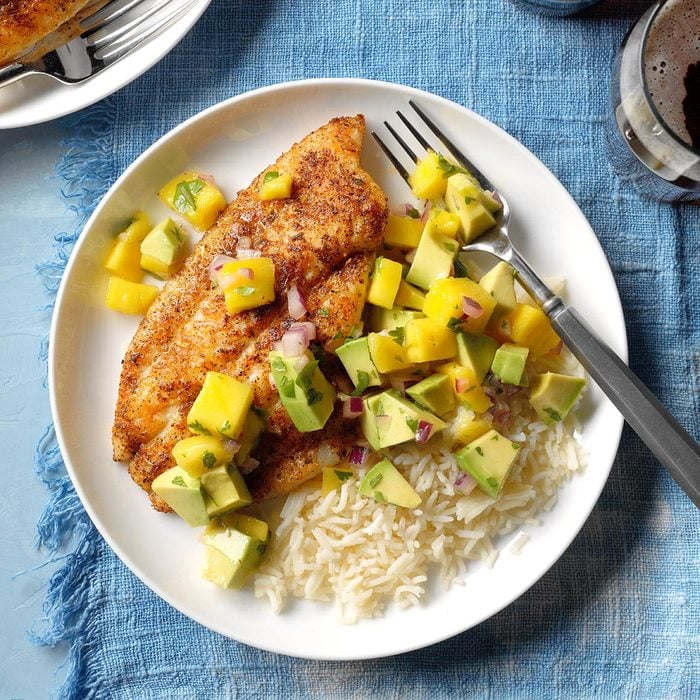
Blackened Catfish with Mango Avocado SalsaA delightful and tasty rub makes this quick recipe fantastic. While the fish is sitting to allow the flavors to blend, you can easily assemble the salsa. My family loves this! —Laura Fisher, Westfield, Massachusetts
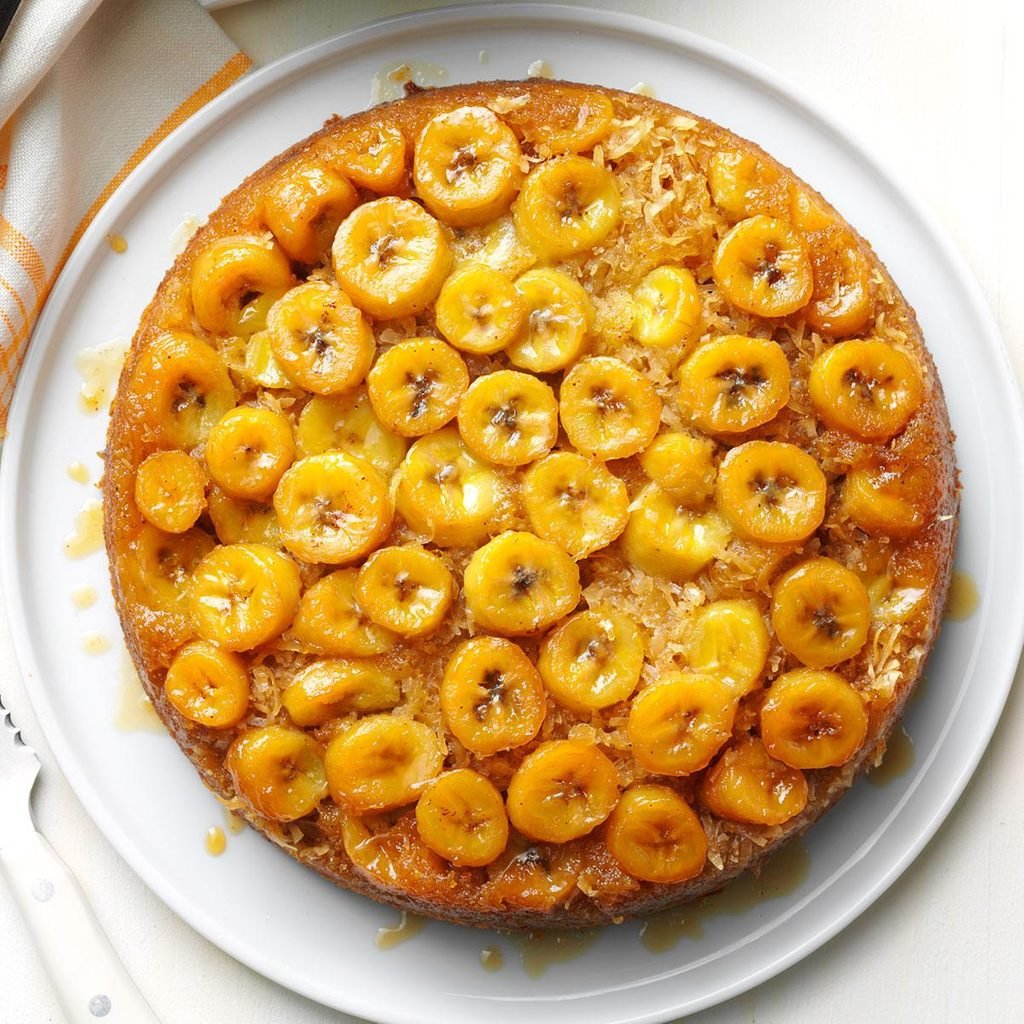
Banana Skillet Upside-Down CakeMy grandmother gave me my first cast iron skillet, and I've been cooking and baking with it ever since. Sometimes I add drained maraschino cherries to this banana skillet dessert and serve it with a ice cream. —Terri Merritts, Nashville, Tennessee
Up Next: If You See
Black Residue on Your Cast-Iron Skillet, This Is What It Means