

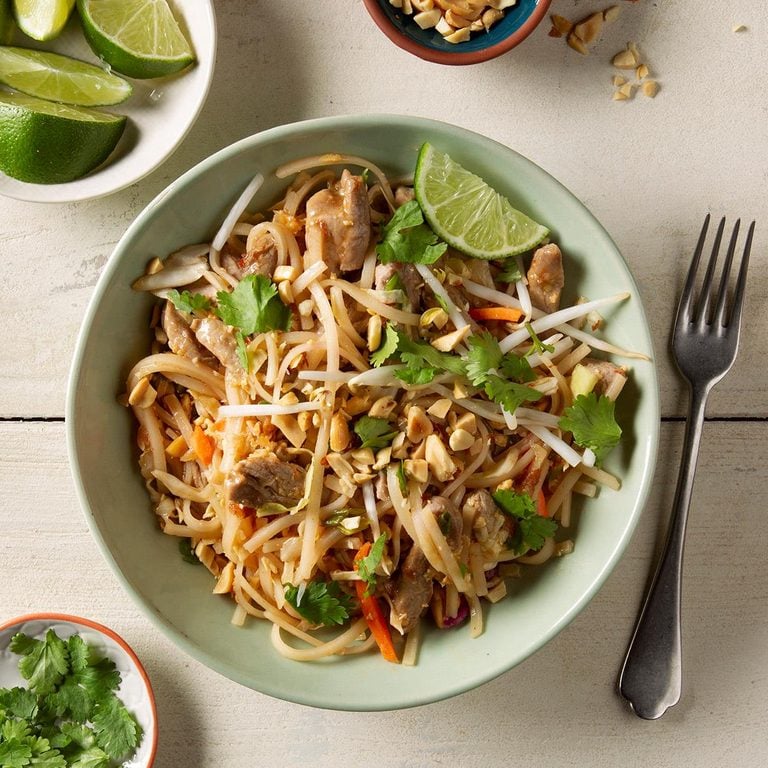
110 Easy Dinner Ideas We Love
These easy dinner ideas answer the age-old question of "What's for dinner?" so simply.
- Need dinner in a flash? Discover our favorite 30-minute dinner recipes for the whole family.
- These cheap and healthy meals make weeknights easier.
- Our Ultimate Chicken Noodle Soup recipe always makes the list of our readers' favorite dishes. Find out why!

Soy-Ginger Ramen Slaw
This crunchy soy-ginger ramen slaw is a refreshing side dish that complements a lot of main dishes, especially grilled meats...

Singapore Noodle Soup
This spicy noodle dish is a beloved favorite in Southeast Asia, especially Singapore, where it is called laska. It is...

Lemony Mushroom Lasagna Roll-Ups
I love lasagna and usually make it the traditional way, but I couldn't get the idea of a lemon ricotta...

Glass Noodle Salad
The fresh, bright flavors in this cool, crunchy Thai-style salad really take the edge off of sweltering days here in...

50 Spring Cookies to Celebrate Warmer Days
Winter is done and we're ready to embrace all things springtime! These spring cookies include plenty of lemon, berries, zest...

Creamy Lemon Pasta Primavera
This pasta primavera is loaded with pretty green peas and asparagus tossed in a light lemon cream sauce. It’s a...
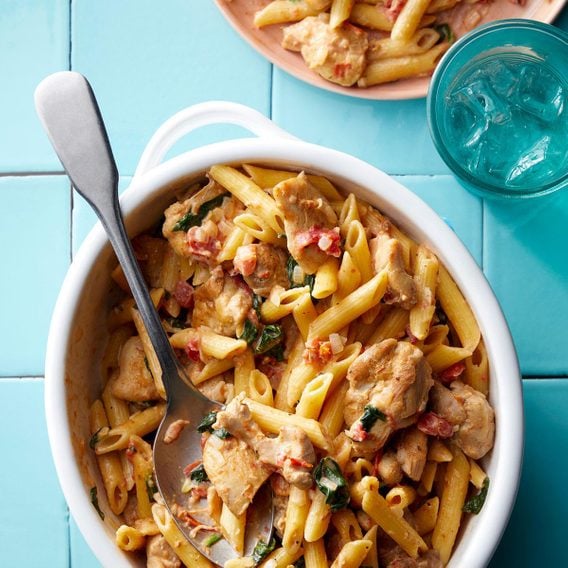
Cajun Chicken Pasta
My husband was a very picky eater when we were first married. He isn't crazy about chicken, but loves it...

Bacon & Egg Ramen Bites
My bacon and egg bites contain an unusual ingredient: ramen noodles! These flavor-filled bites are perfect for breakfast, brunch, a...
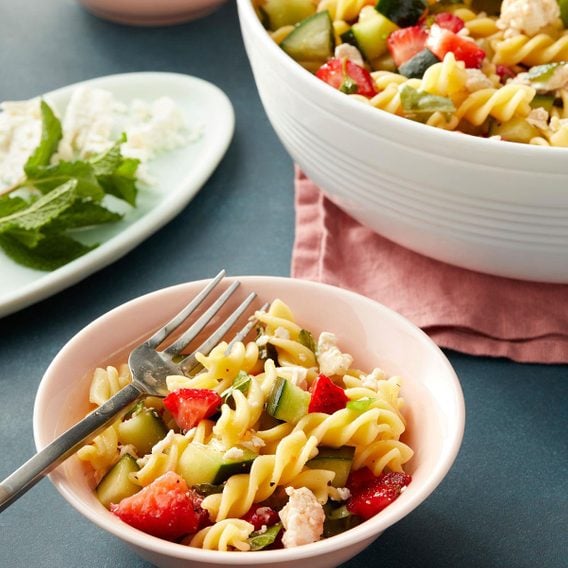
Strawberry Feta Fusilli Salad
Strawberry season is bountiful in Ohio, and new dishes are always welcome. I brought this strawberry feta fusilli salad to...

Pimento Cheese Pasta Frittata
My inspiration for this pimento cheese pasta frittata was a combination of macaroni and cheese and pimiento dip. It's a...

Cranberry Orzo Spinach Salad
My daughter-in-law's sister brought a salad to a family function, and I immediately fell in love with it. When I...
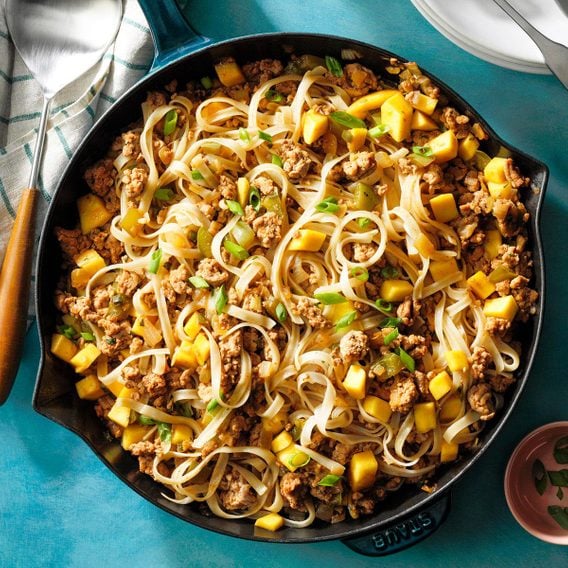
Spicy Pork & Mango Noodle Stir-Fry
This fusion noodle stir-fry gets its sweet and spicy flavor from juicy mangoes and jalapeño pepper. You could swap out...

Cheese Pizza
This recipe is a great starter pizza if you're new to making it from scratch. It's plain cheese with homemade...
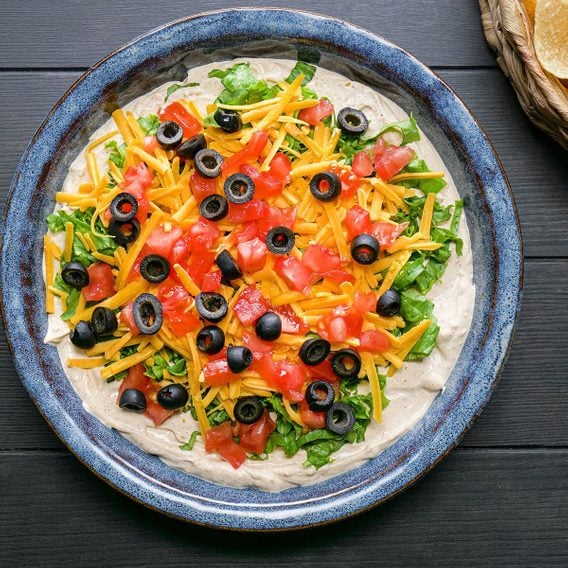
Taco Dip
I wanted to spice up a traditional taco dip recipe, so I added cayenne pepper for some heat and fresh...
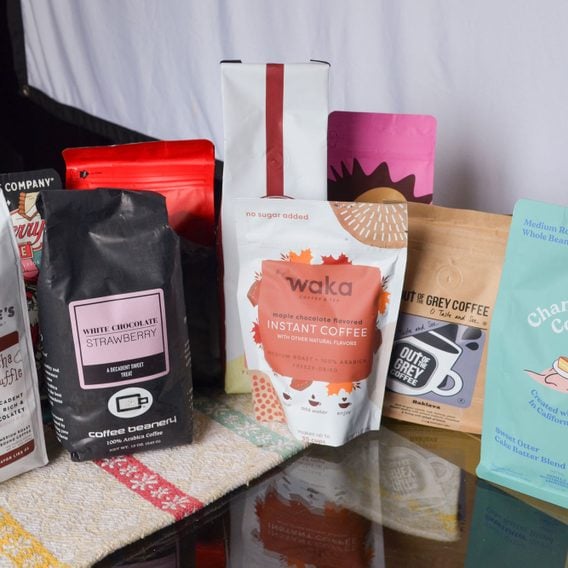
6 Best Flavored Coffee Brands for Tasty Morning Brews
Finding the best flavored coffee brand is a massive undertaking. After brewing and sipping over 15 brands and 30 flavors,...
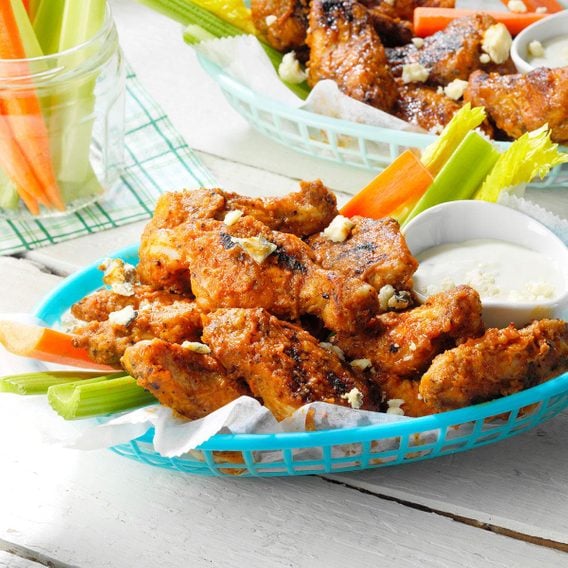
Grilled Chicken Wings
These simple grilled chicken wings are like a blank canvas ready to dress with your favorite sauce. —Taste of Home...
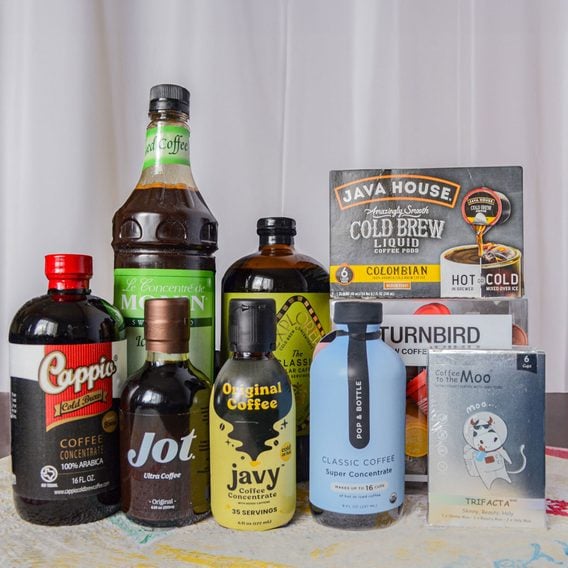
7 Best Coffee Concentrates for Easier Mornings, Tested and Reviewed
I tested 15 different coffee concentrate brands and these are the ones worth getting out of bed for.

Cadillac Margaritas
You’ll need all top-shelf spirits to make this smooth Cadillac margarita. It’s a swanky upgrade of the classic drink featuring...
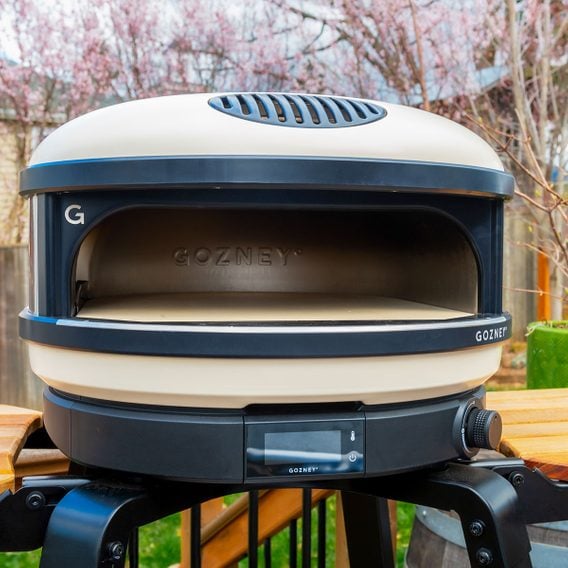
Gozney Arc Review: This New Pizza Oven Is Compact, Powerful and User-Friendly
Featuring high temperatures for cooking pizza with a compact design! Read on for our full review of the Gozney Arc...
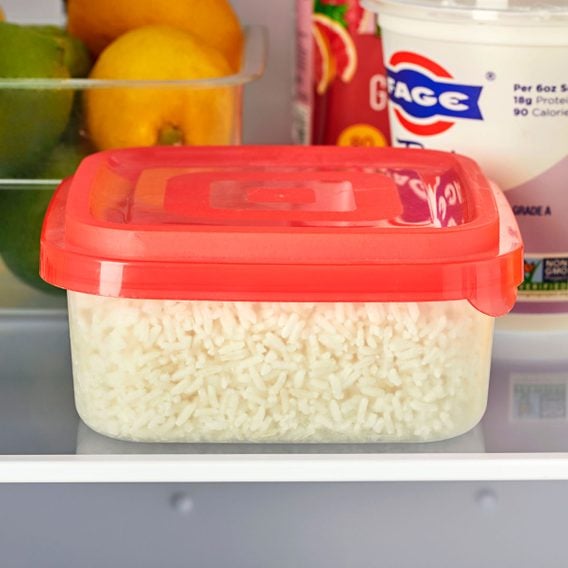
How Long Does Rice Last in the Fridge?
How long does rice last in the fridge after it's cooked? The shelf life is much shorter than you think.
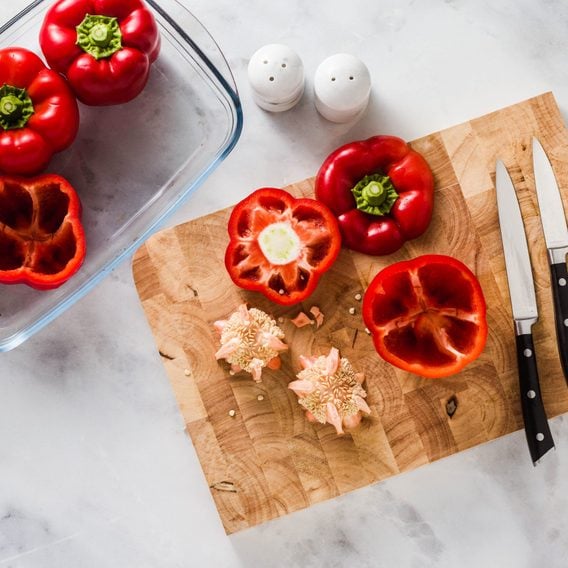
How to Freeze Peppers When You Buy in Bulk
Learn how to freeze peppers and you'll never have to waste your harvest again. Find tips on freezing whole and...
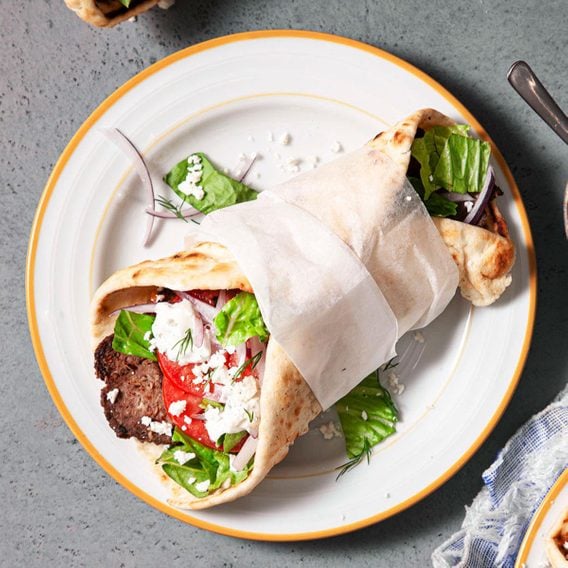

Homemade Gyros
Fill your house with the delicious aroma of spit-roasted gyros with this homemade version. Place the well-seasoned meat on warm...

Virgin Margaritas
You don't need store-bought limeade, alcohol or any fancy ingredients to create a refreshing, thirst-quenching experience this summer. All you...
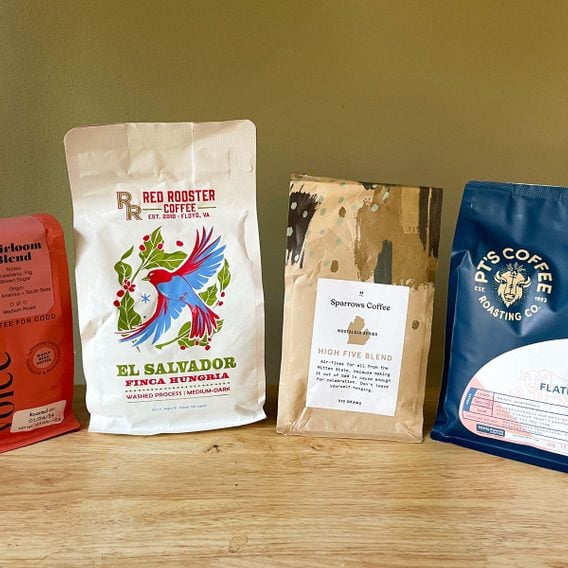
Trade Coffee Review: This Subscription Is the Little Treat I Look Forward to Every Morning
Mornings have been easier since I started getting quality, freshly roasted coffee beans shipped directly to my door. Read on...

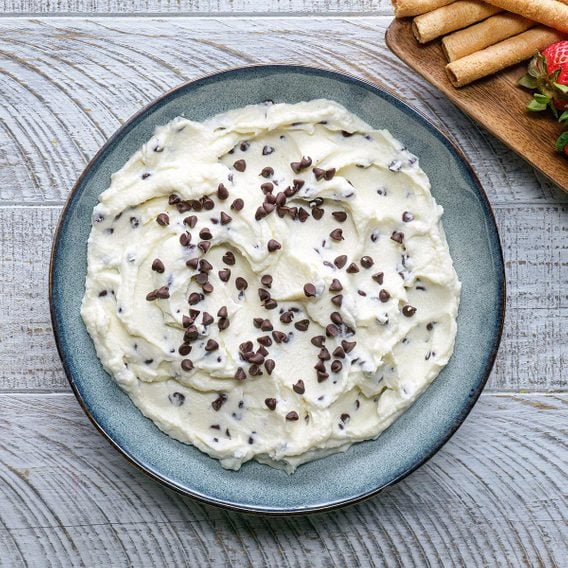
Basic Cannoli Dip
Based on the Italian pastry I grew up with, this sweet and creamy dip is perfect for a dessert buffet...
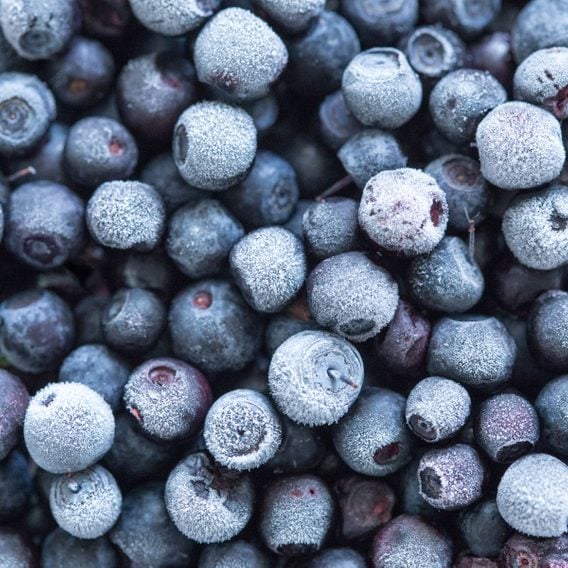
How to Freeze Blueberries
Learn how to freeze blueberries for fresh-from-the-garden (or grocery store) goodness all year long.
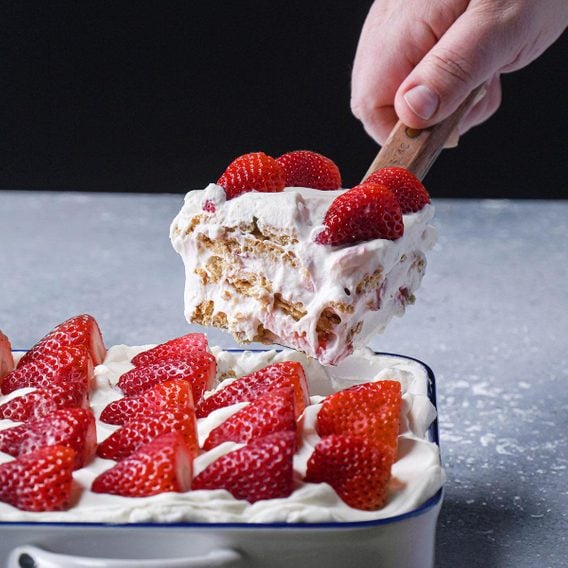
Strawberry Icebox Cake
Quick and easy, this refreshing, make-ahead freezer dessert is perfect for using up those fresh summer berries. Filled to the...
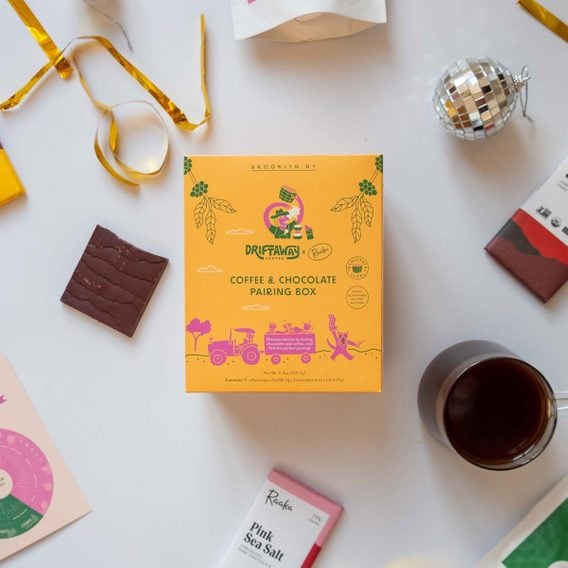
The Best Coffee Gift Baskets
Send some energy with one of the best coffee gift baskets. We turned to editor-tested brands for the top care...
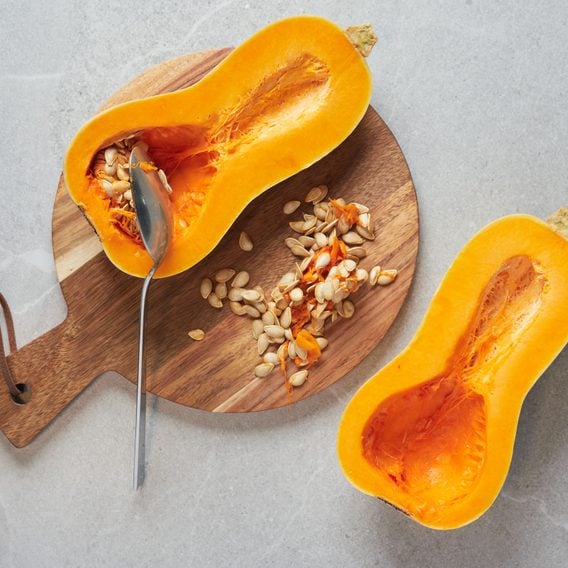
How to Freeze Squash, Both Summer and Winter Varieties
Enjoy your harvest year-round when you learn how to freeze squash. This guide shares different techniques to keep different types...
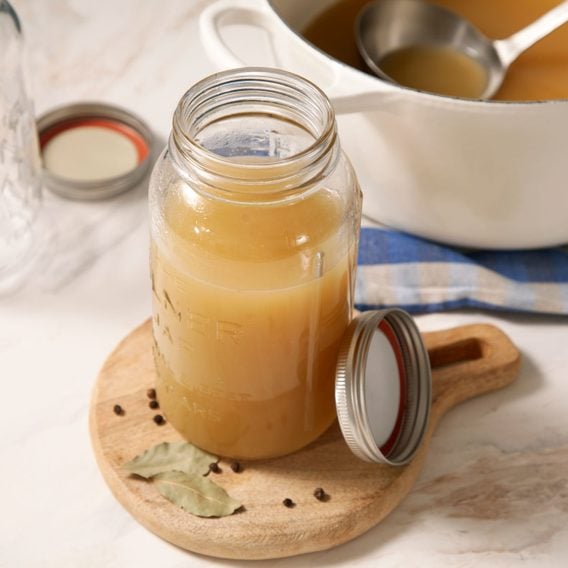
How Long Does Chicken Broth Last in the Fridge Before Going Bad?
Homemade chicken broth is too time-consuming and store-bought broth is too expensive to waste. So how long does chicken broth...

